Home » BLOG » Archives for Jody - Where The Coconuts Grow

Author: Jody - Where The Coconuts Grow

Jody lives compactly aboard a 47' sailboat with her husband Peter, little boy Brig, and a baby girl on the way! She traded in the corporate conundrum for a life less ordinary and is now island-hopping around the Caribbean. Between a quirky obsession with organizing, capturing pretty pictures, diving with turtles and burying her toes in the sand, she feeds a passion for writing by blogging about their adventures in search of surf, sun, sand and serenity Where The Coconuts Grow.

Salty Myths and Secret Lore: The Haunting of Bahia Escocesa

SALTY MYTHS AND SECRET LORE… stories we’ve heard, and tales galore…

DSC_0310

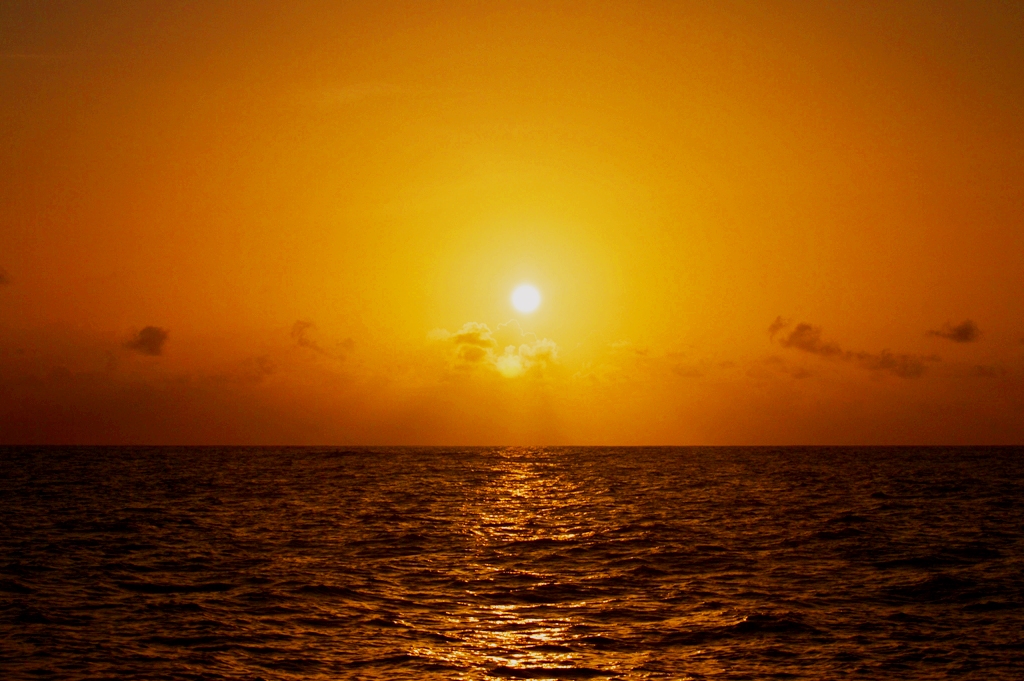
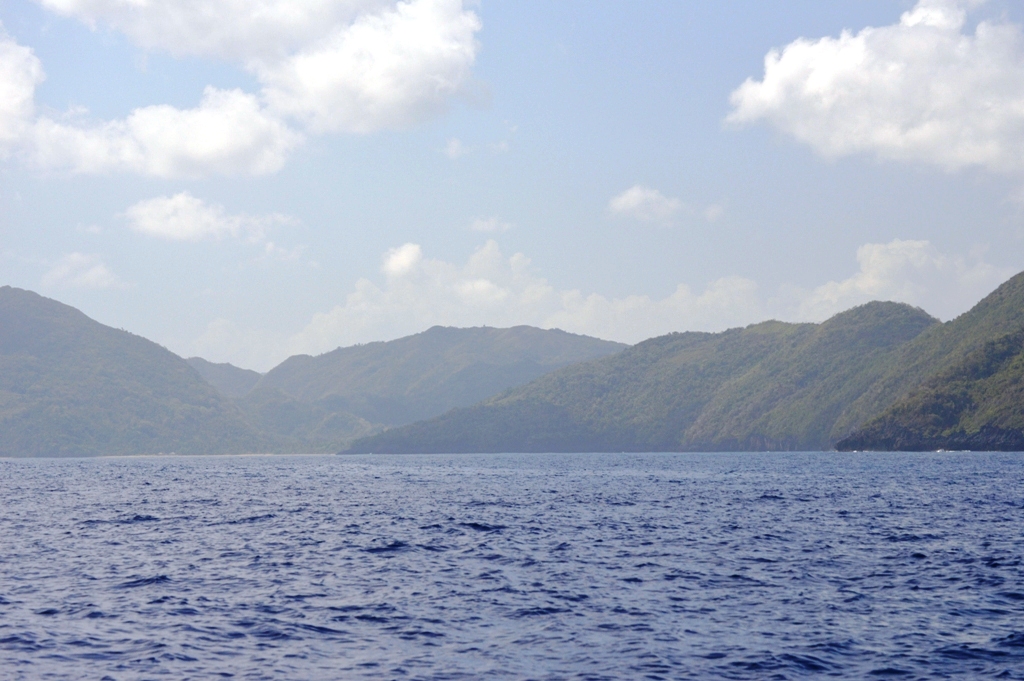
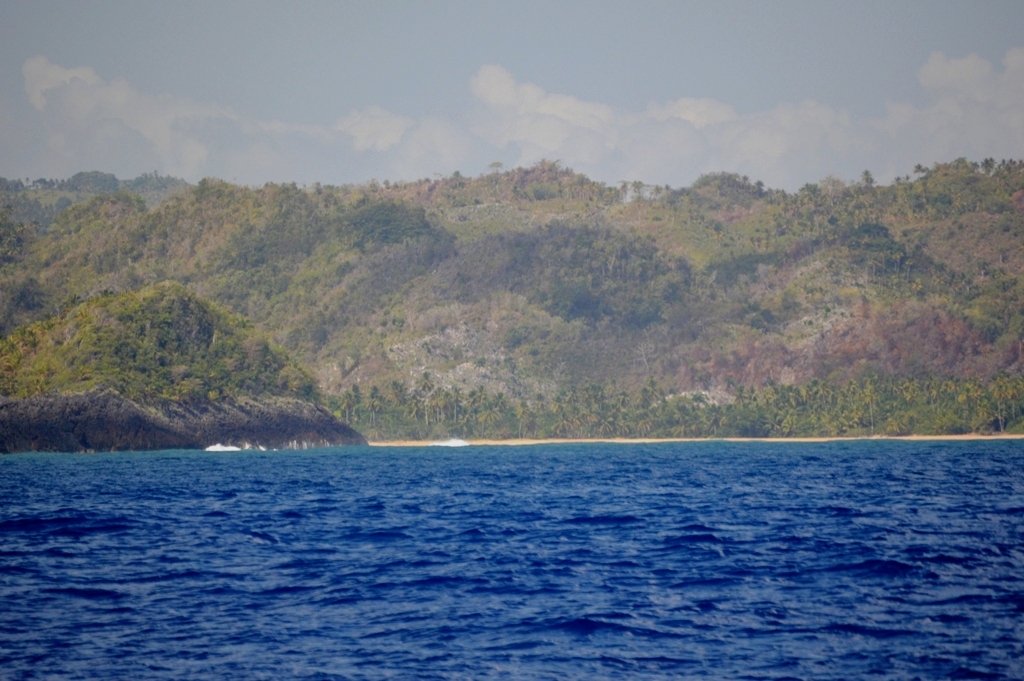
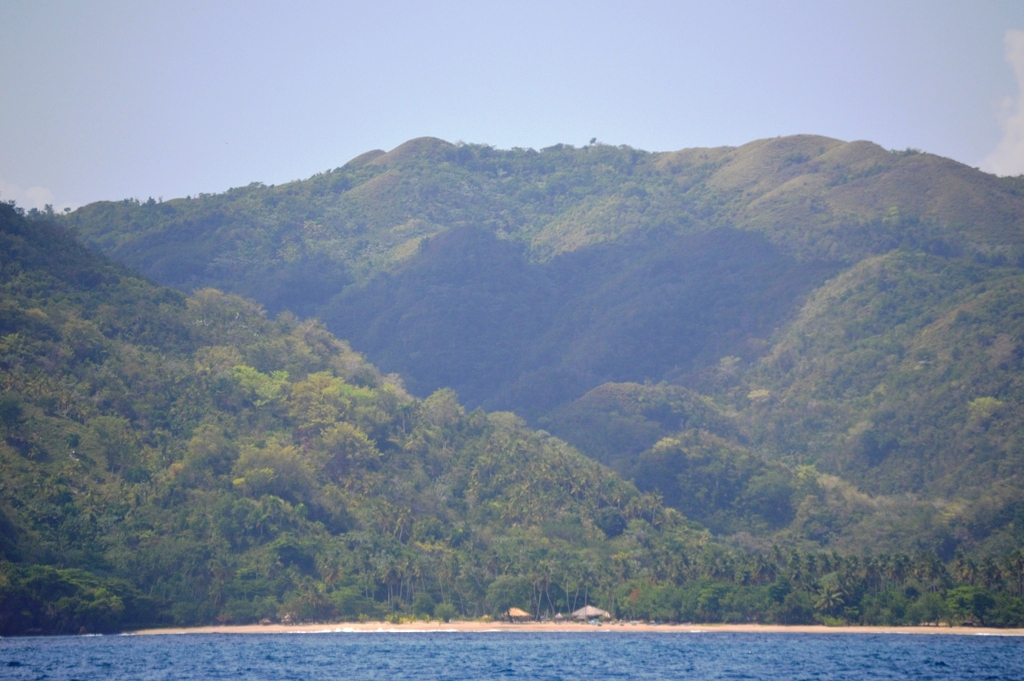
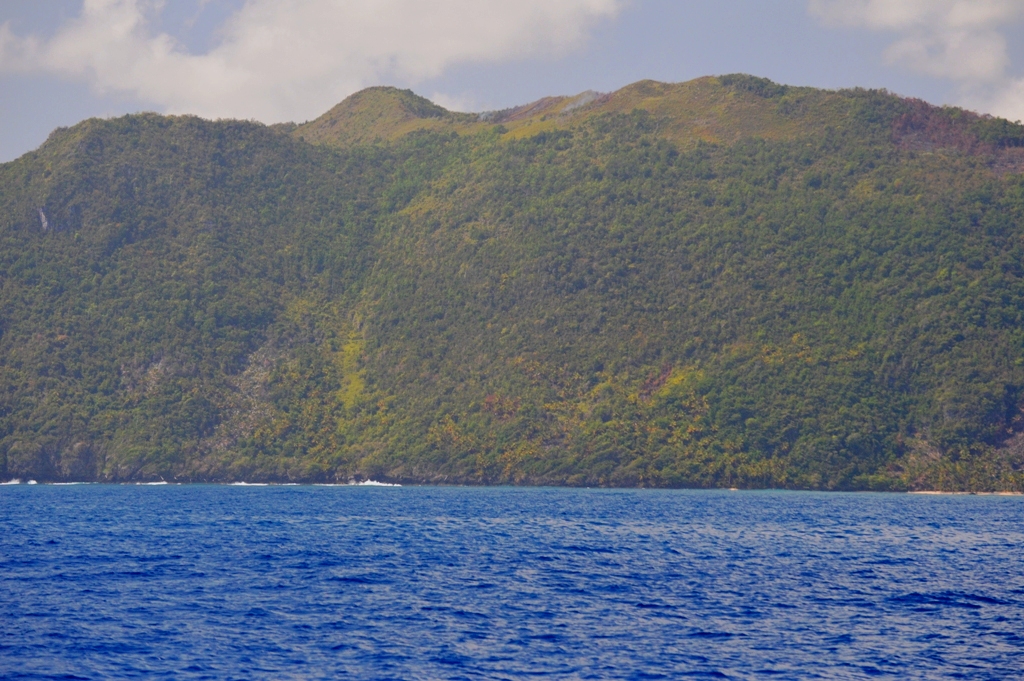
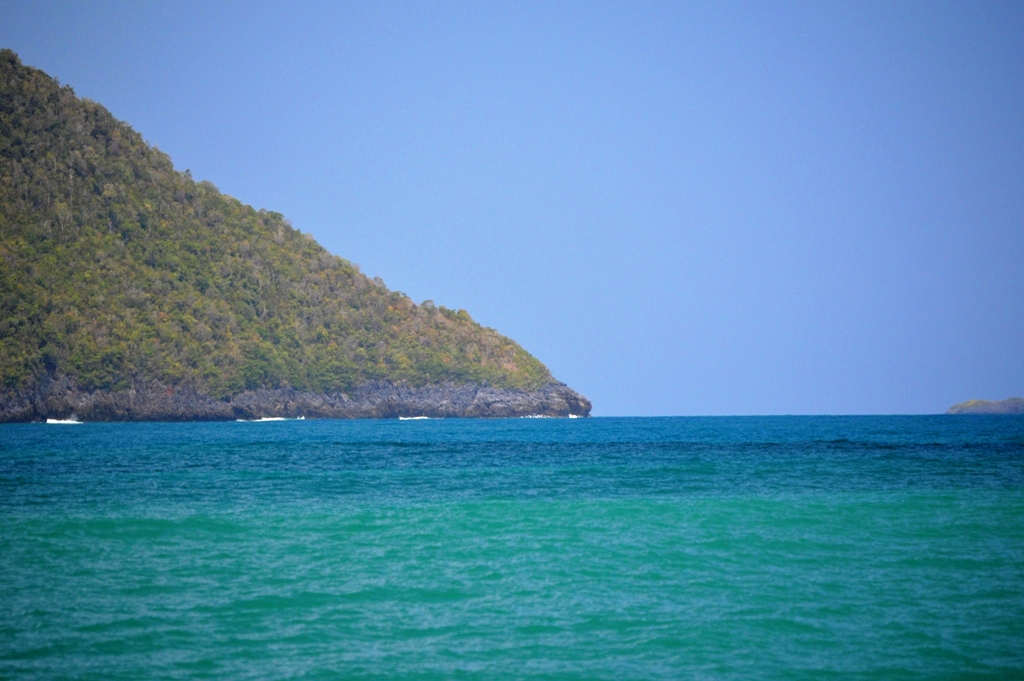
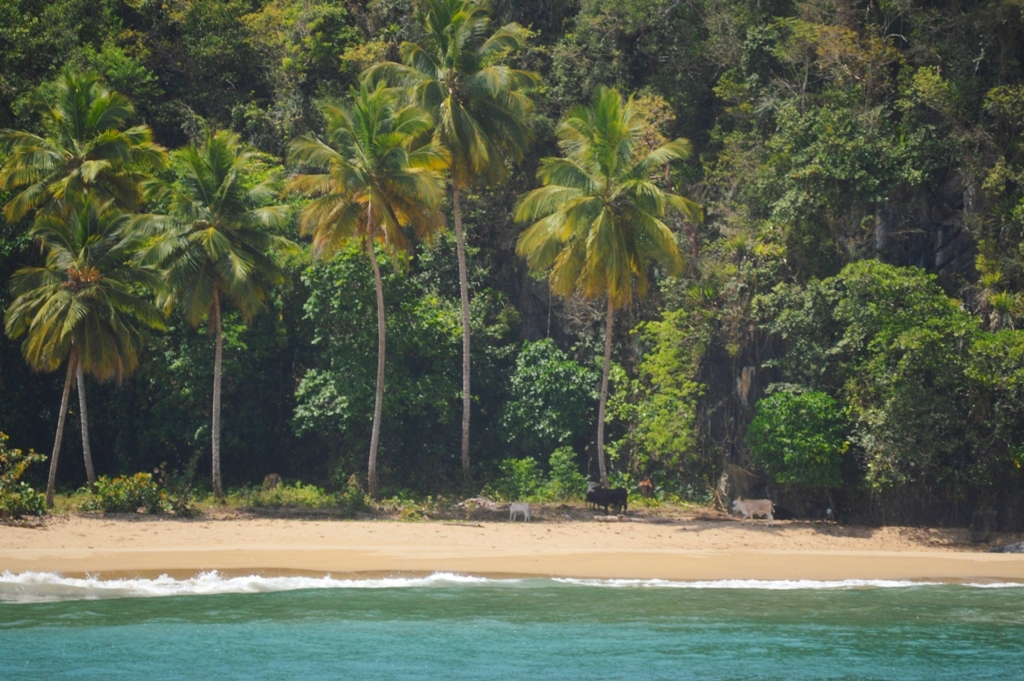
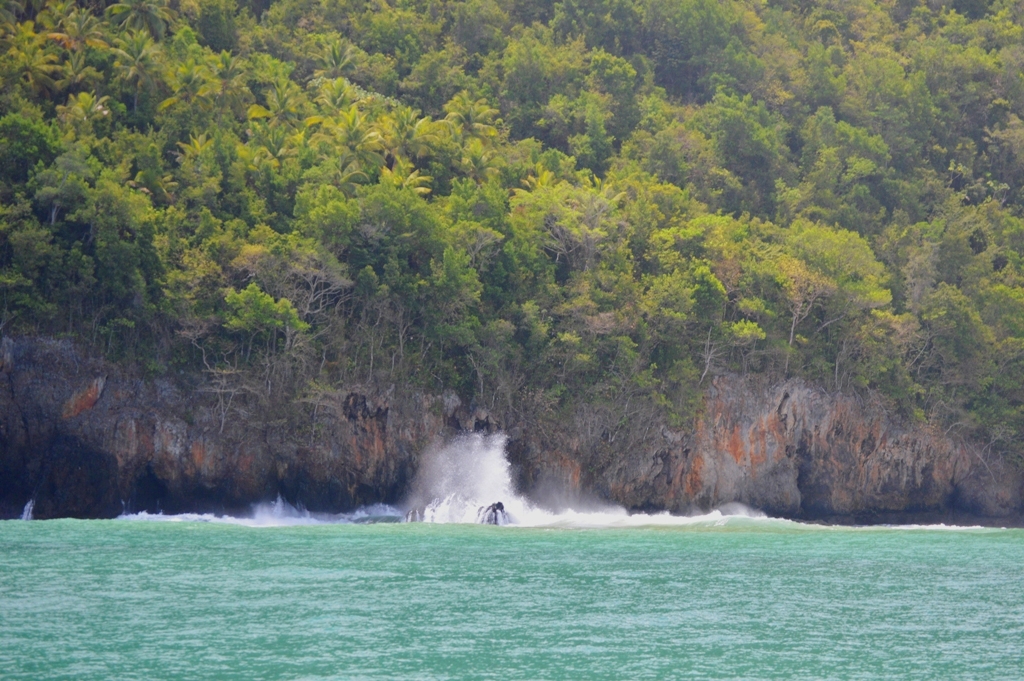
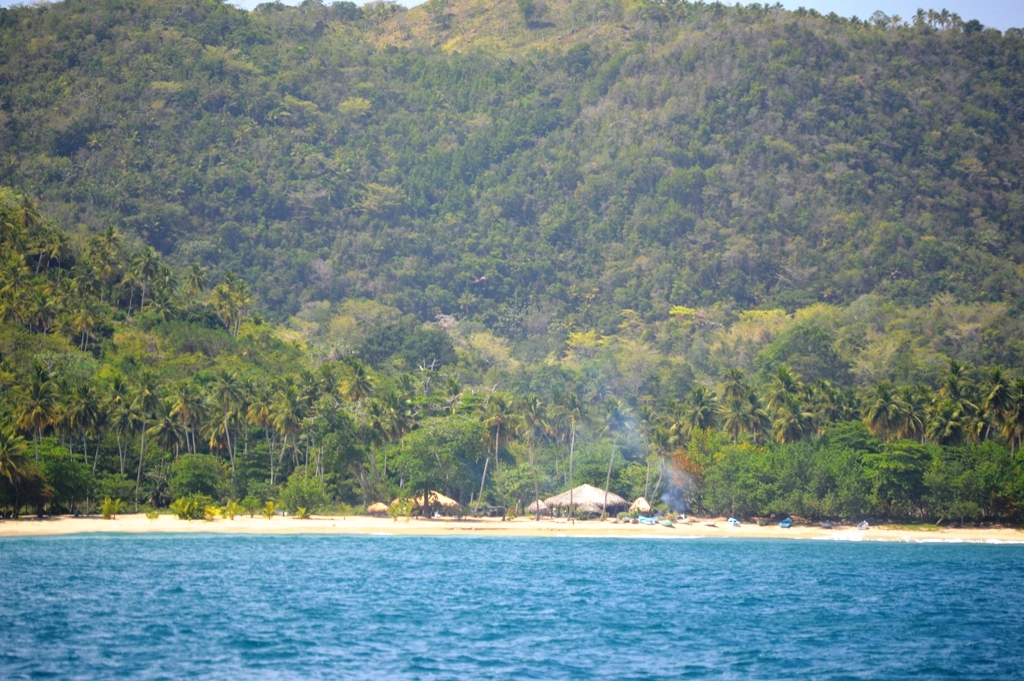
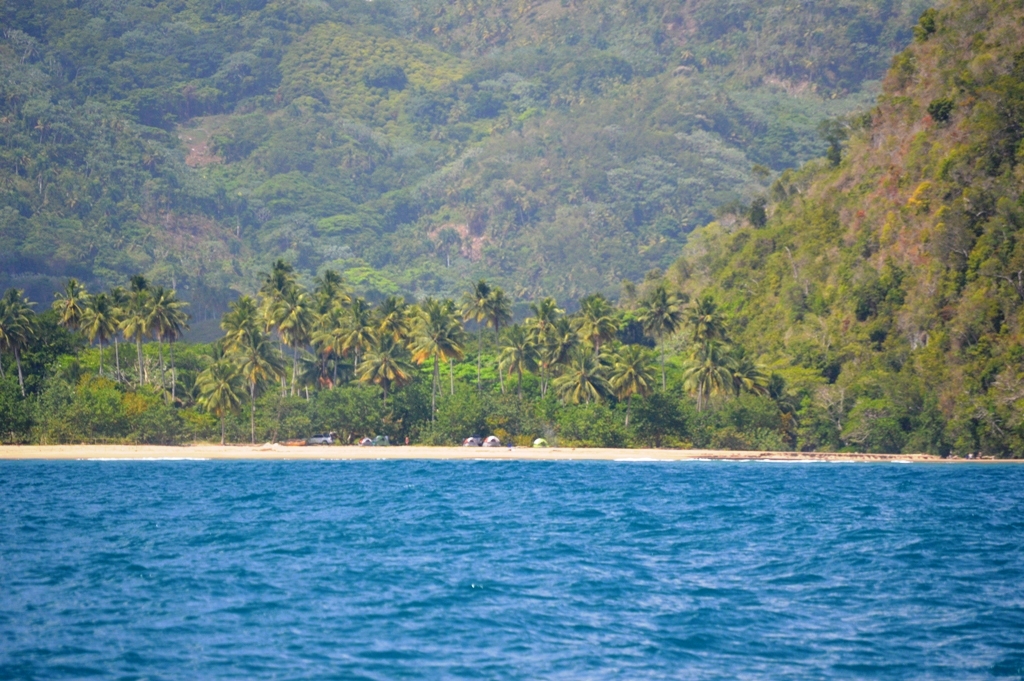
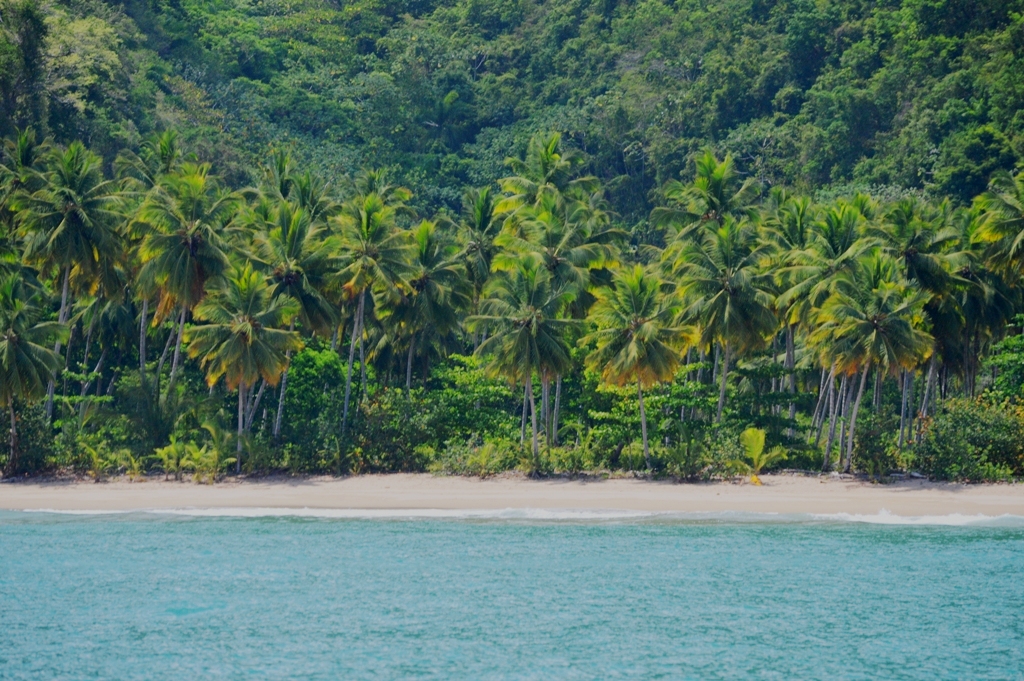
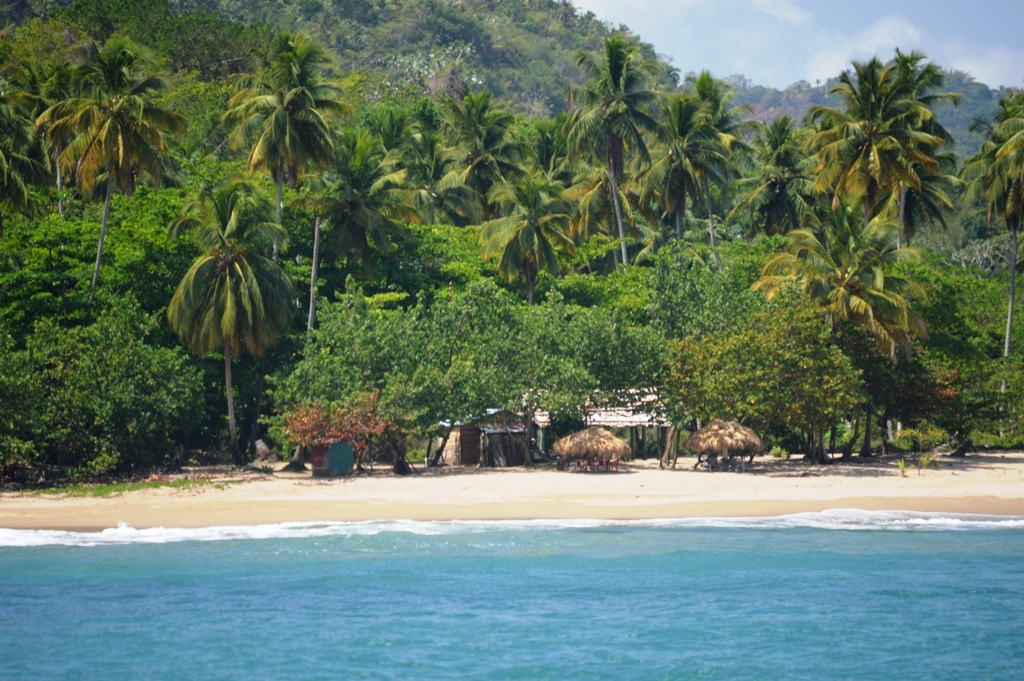
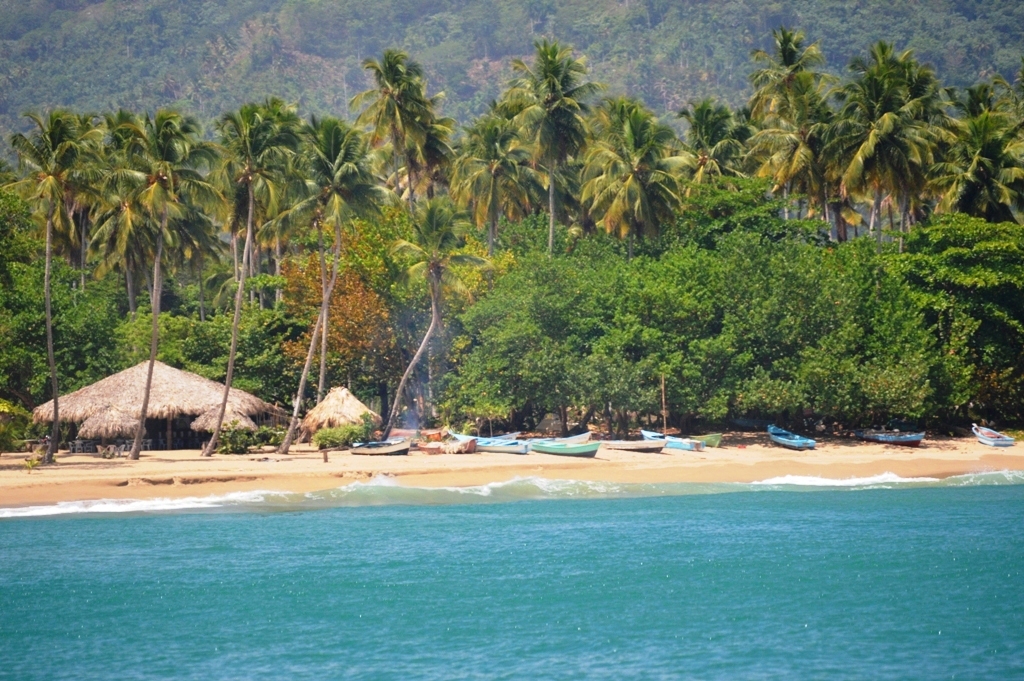
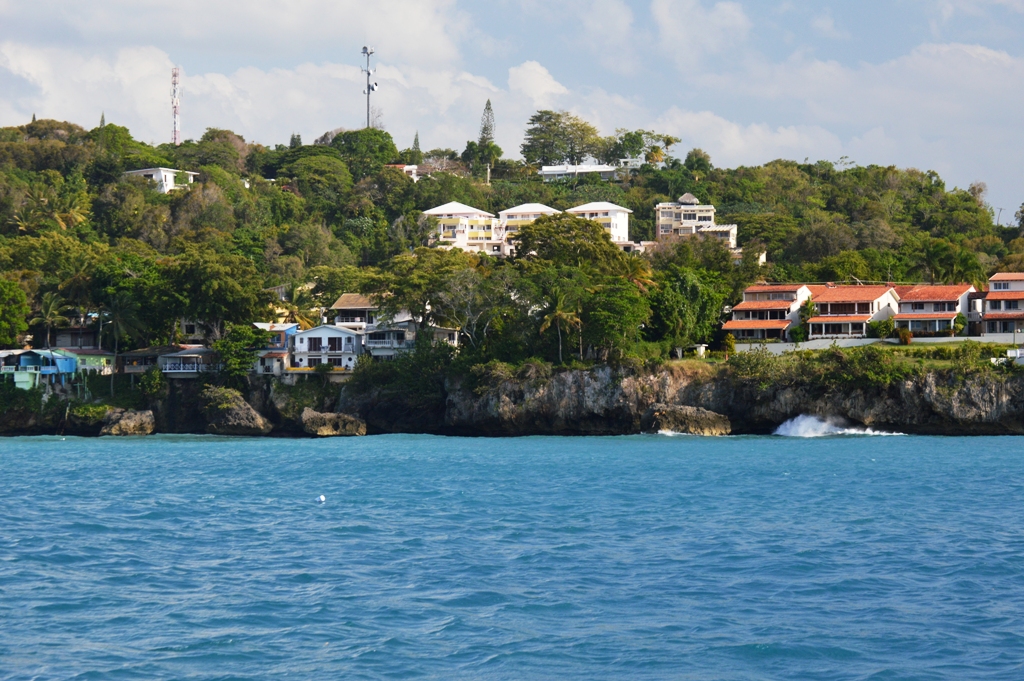
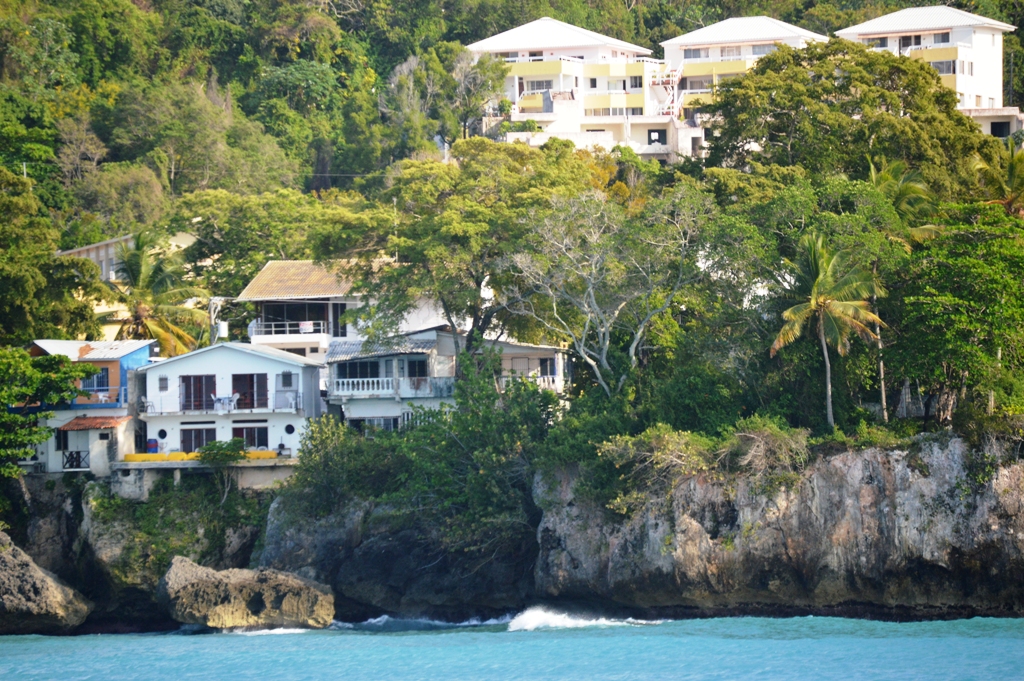
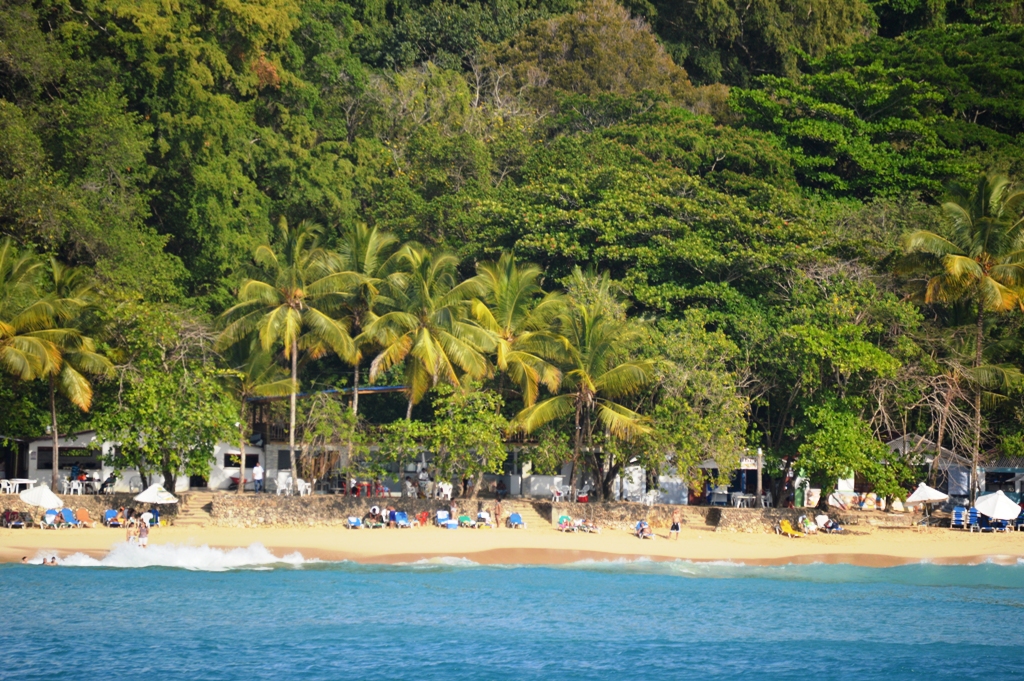
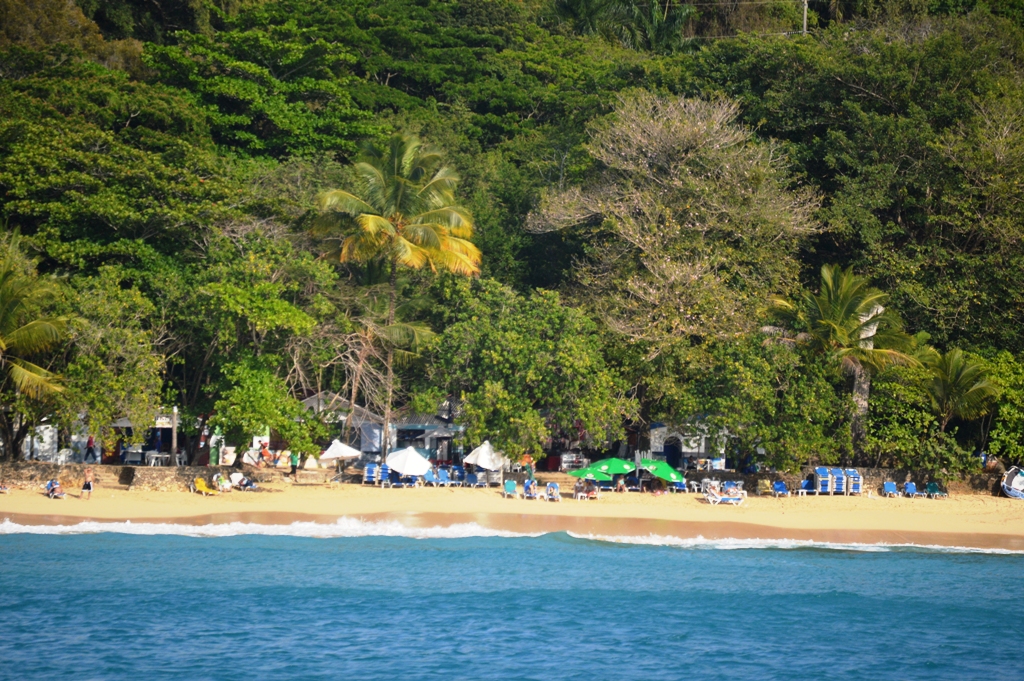
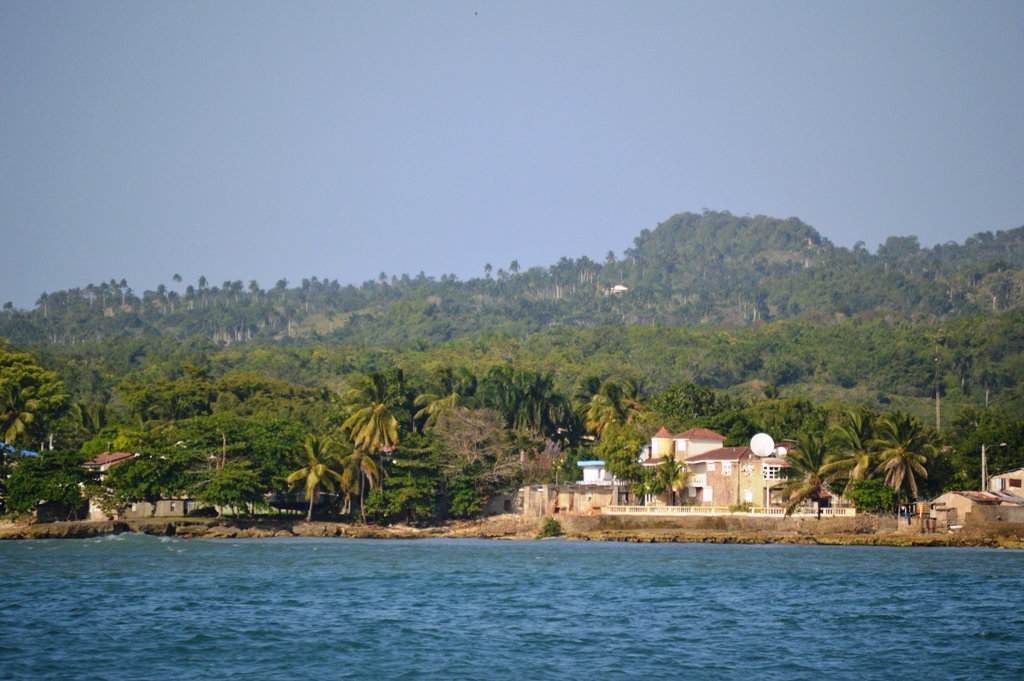
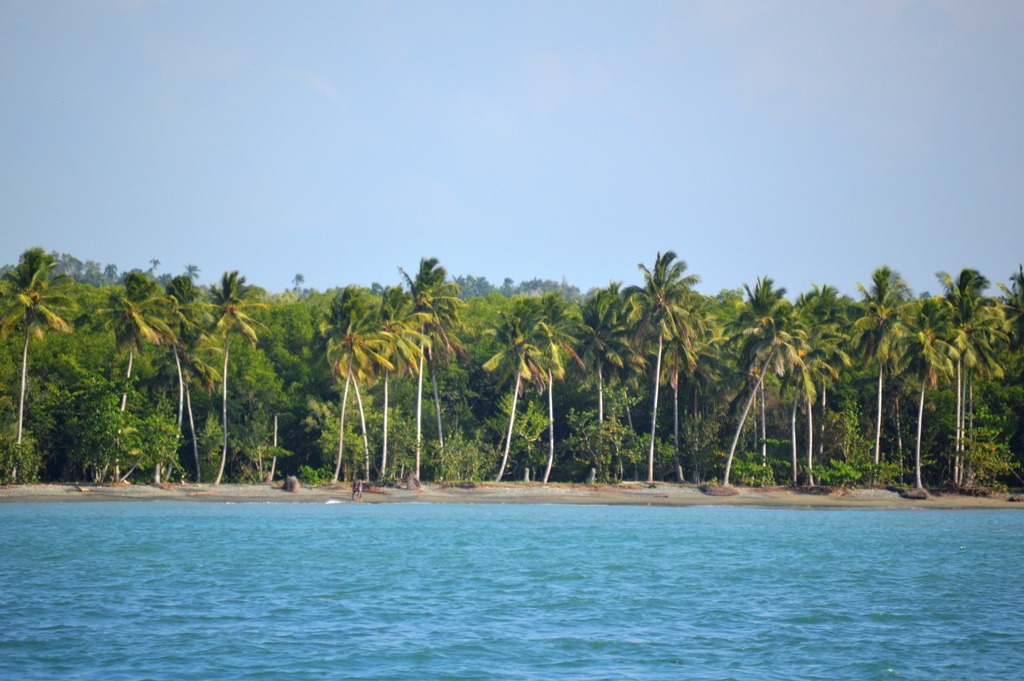
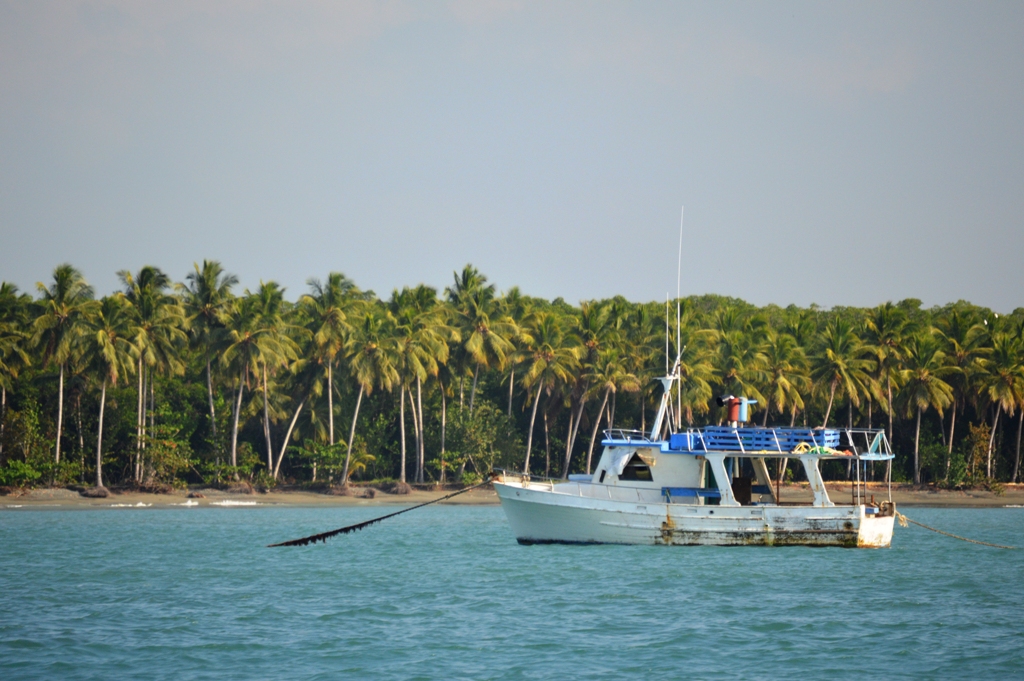
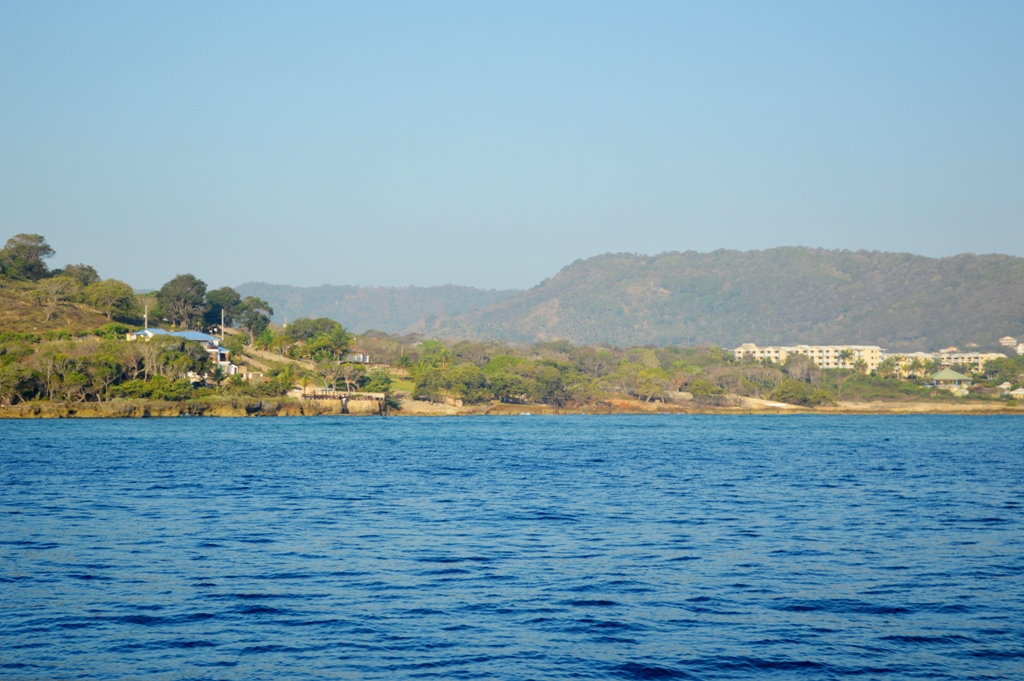
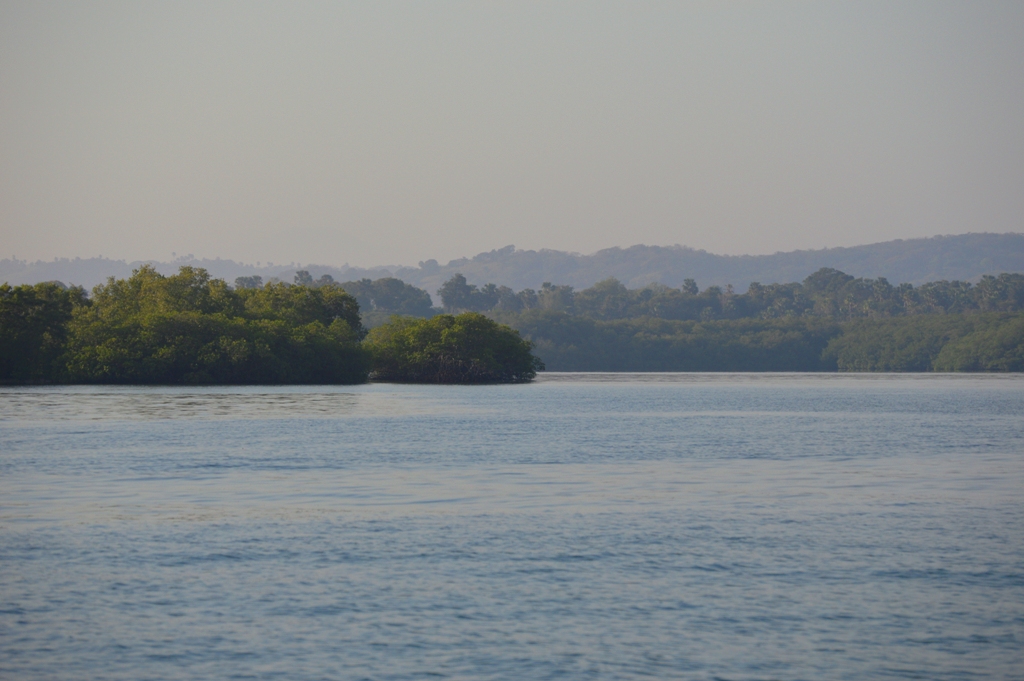
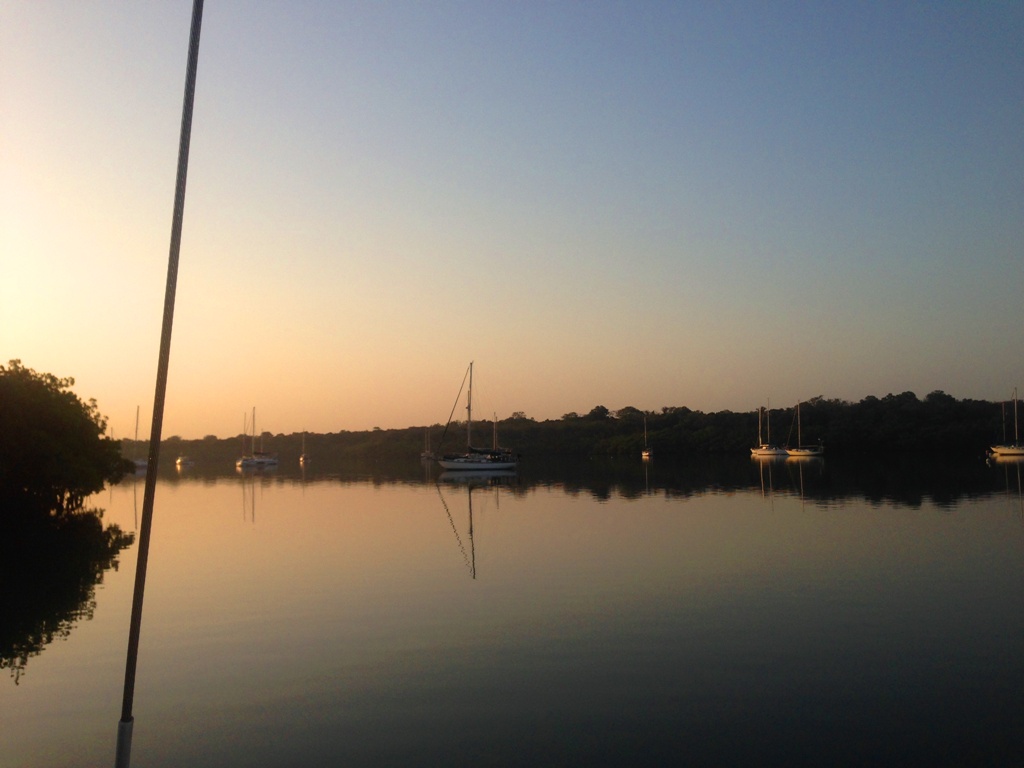
The morning of May 4th I gazed in awe from inside the cockpit as the sun rose over the horizon with golden rays of light splashing across the surface of the water. Still out of the north, the Atlantic swell gently pushed against our hull as we motorsailed 55 nm east across Bahia Escocesa towards Playa El Valle (or what Van Sant calls “Puerto Escondido”). The deep fjord-like hillsides seemed to engulf our tiny boat with each turn of the propeller. The water was deep so we made our way in as close to the beach as we could get. It was overwhelmingly peaceful and secluded inside this quiet anchorage.

DSC_0161DSC_0159DSC_0174DSC_0154DSC_0244DSC_0249IMG_8036

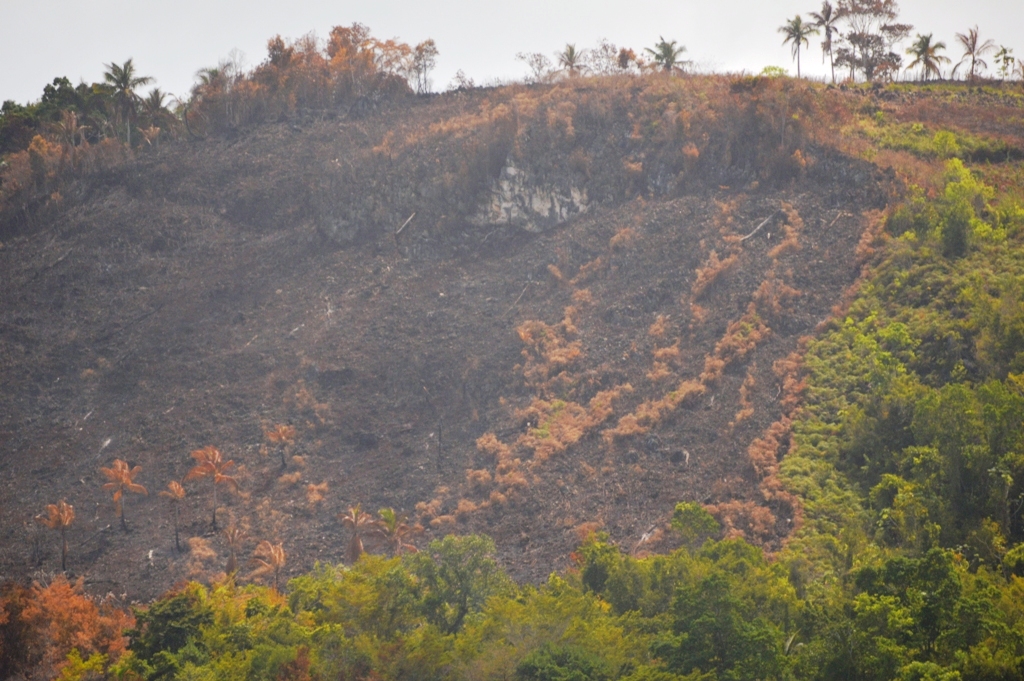
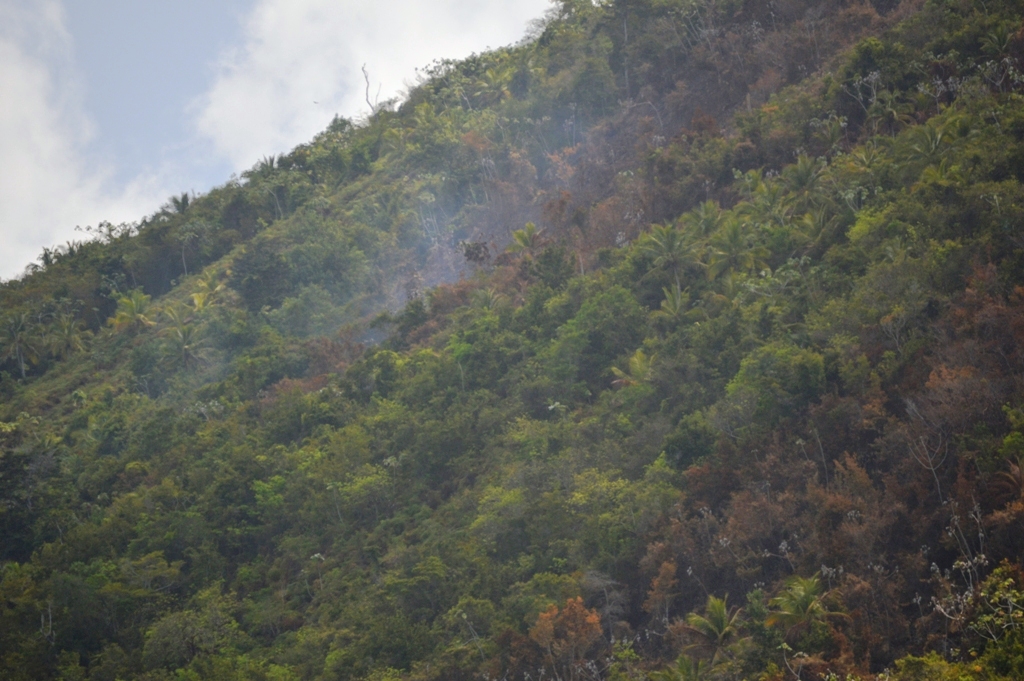
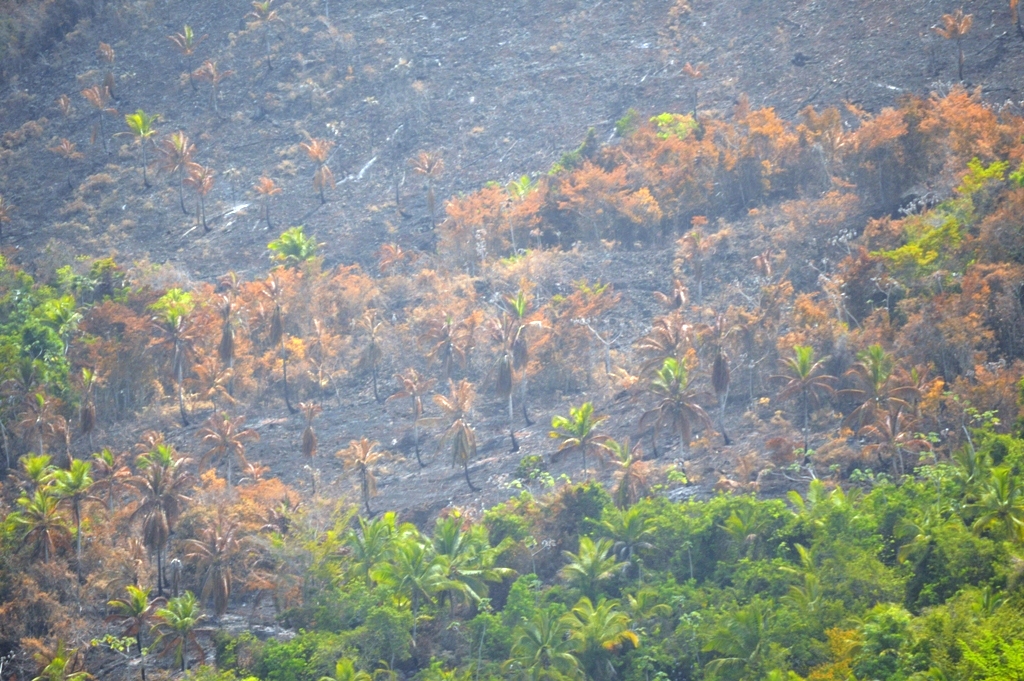
To our port, in the middle of the rich green hillside, small flames blazed around huge brown holes that were recently burned away. Natural or planned, we won’t know for sure. It’s hard to believe such a remote village would organize any planned burning in an area like this, however, after a little research I found a website that infers that there are lots for sale here with future development of roads and bridges. The site looks old and we all know that many development plans often fall through. It would be a shame to see this beautiful and secluded area disappear.

DSC_0253DSC_0254DSC_0256

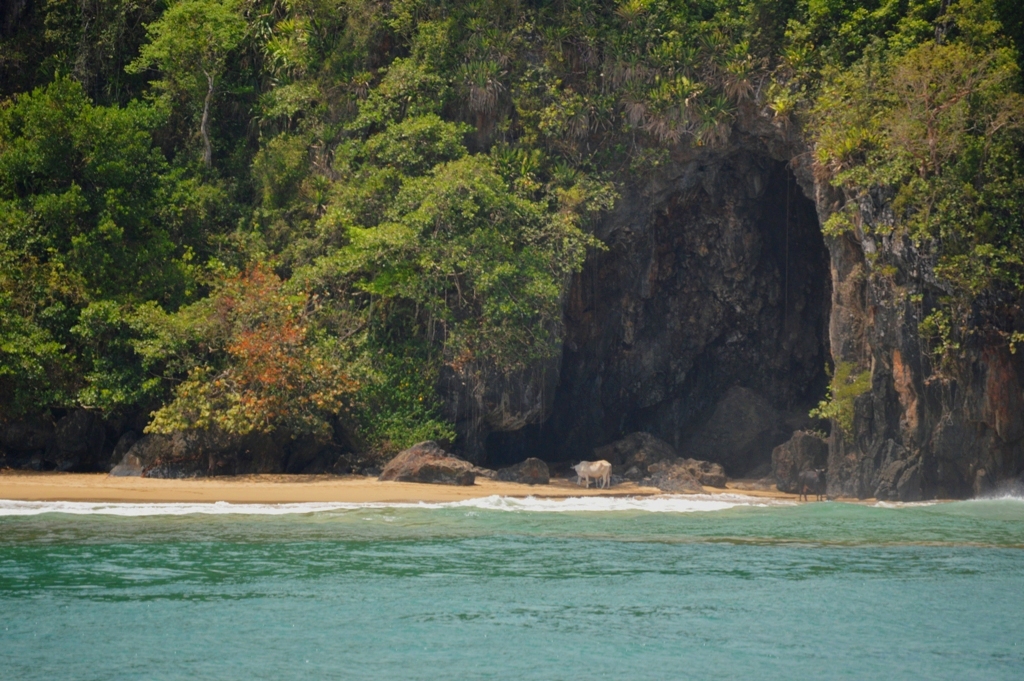
Suddenly, Peter noticed a small herd of cattle roaming free along the base of the valley. They strolled along what looked to be their own private beach. Our stay in Escondido was a little rolly but very relaxing and peaceful. If we weren’t on schedule to cross the Mona Passage, we would have enjoyed spending some time in this wonderfully secluded anchorage.

We expected local officials to come visit our boat, but they never did. Maybe they don’t work on Sundays…

DSC_0265DSC_0277DSC_0227DSC_0190DSC_0181DSC_0199DSC_0215DSC_0236

8pm flashed on the iPhone as the alarm blared through the cabin letting us know we were finally ready to leave our last anchorage of the Dominican Republic. We were officially checked out of Luperon and still located west of Samana so our despacho still held true. Puerto Rico was the next stop and there would be no more officials chasing us down in the dark of night to inspect our papers.

Every morning that week we had tuned in to Chris Parker on the SSB for validation that the weather window for May 4th, 5th and 6th was still holding open. The forecast called for 2-3′ seas and 5-10 knot winds across the dreaded Mona Passage. A forecast like that for the Mona does not come often and we knew this was our best chance. The timing was perfect. Although we carried only 3 meager months of sailing experience, we were about to depart across a notoriously treacherous passage, known to be the most dangerous stretch in all of the Caribbean, with conditions that most sailors in this area wait weeks for.

The familiar darkness surrounded us. Peter called out that the anchor was free and I slowly steered toward our course using only the compass and radar. I had gotten a good look at our surroundings in the daylight and felt confident I could get us moving in the right direction with the absence of the light of the moon. Our GPS is useless until there is enough forward momentum to figure out which direction the boat is moving.

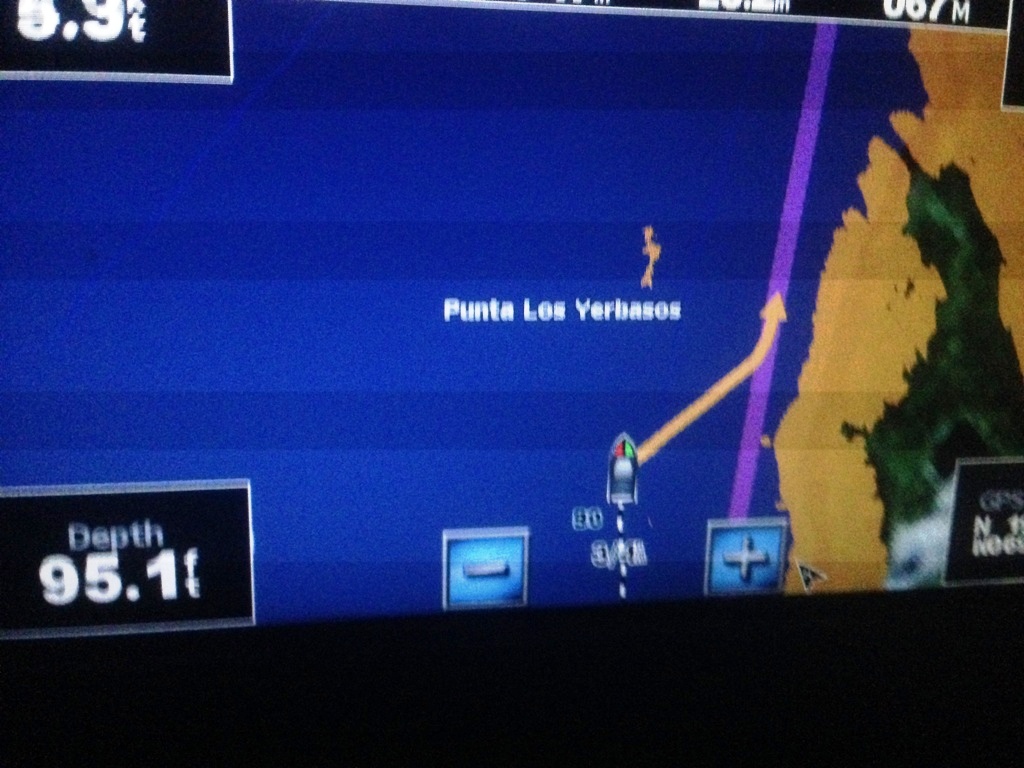
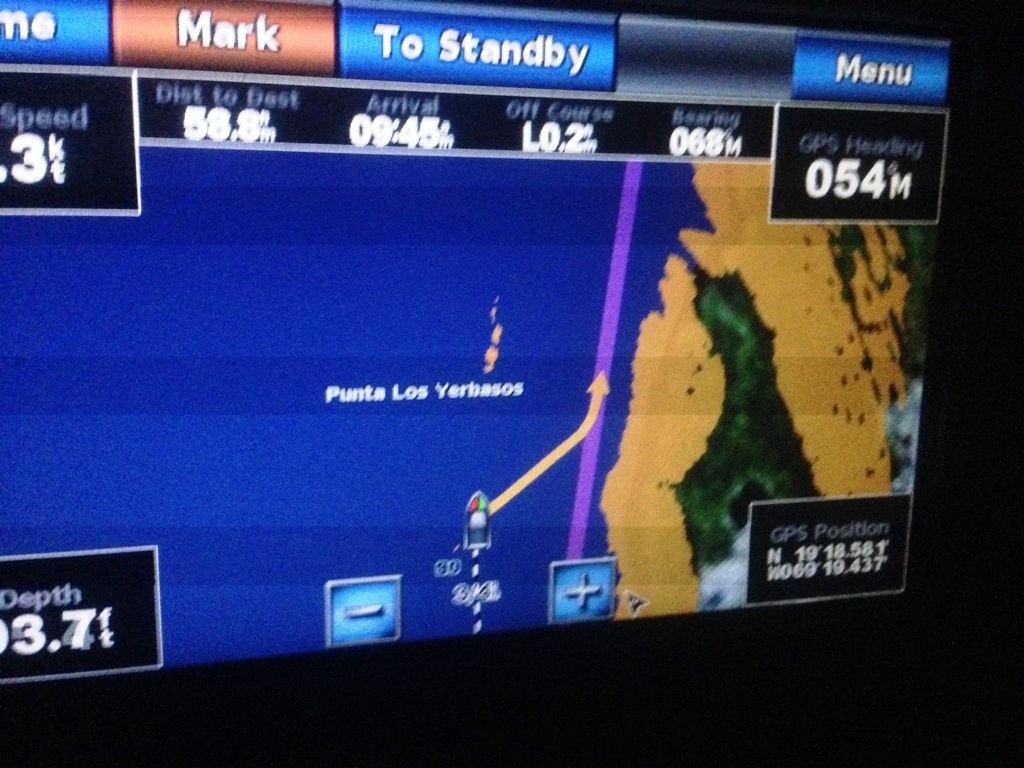
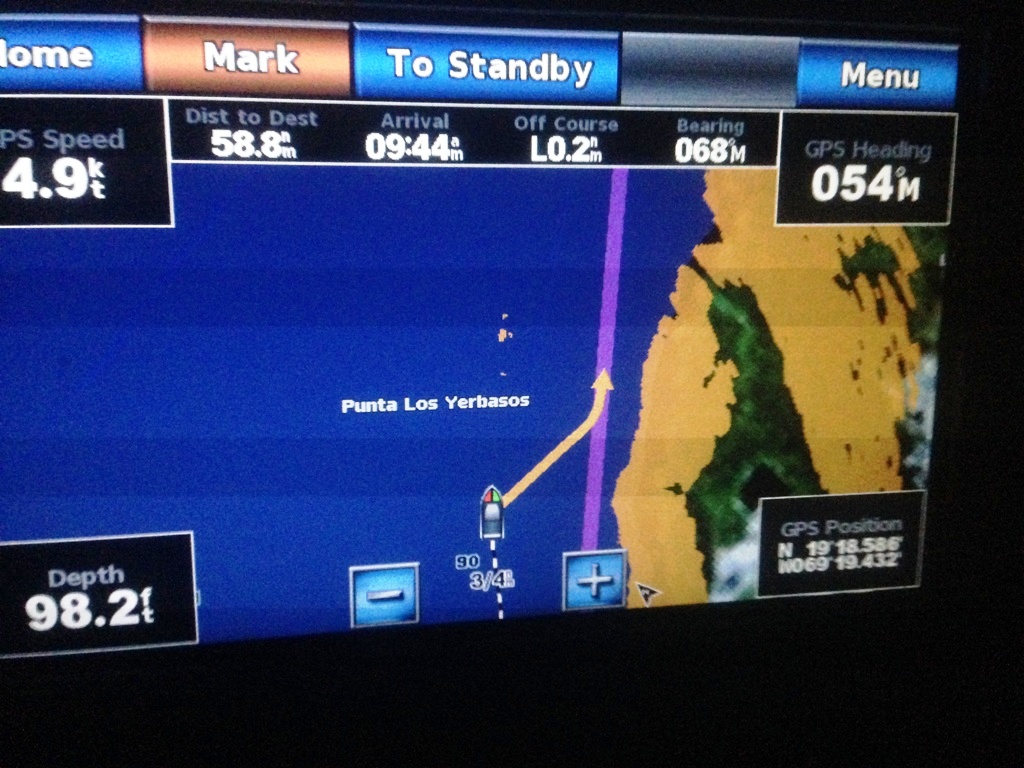
After only a few hundred feet I noticed a small blip on the radar overlay directly in the path of our recommended route. I shouted out to Peter on the stern where he was washing his hands after guiding in our rusty anchor chain, “I think there’s a boat in front of us!” I turned 30-degrees to port as Peter joined me in the cockpit to take a look at what I saw. The blip appeared on the screen again, directly off our bow. I turned back to starboard 30-degrees. Still there.

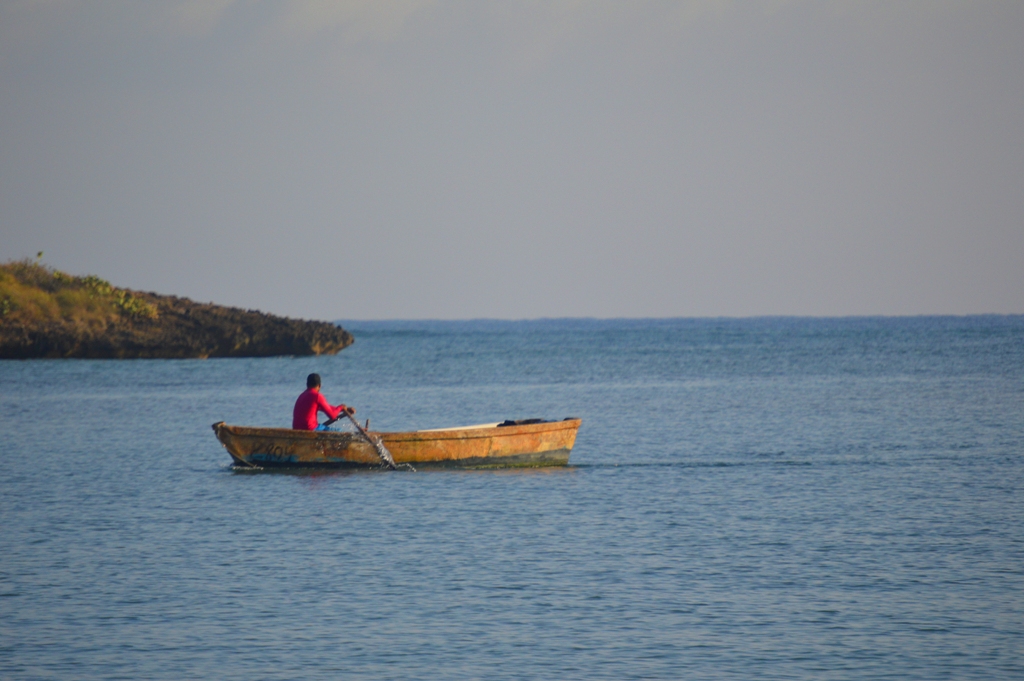
“Maybe it’s a fishing boat,” Peter whispered. We’ve seen local fishermen row around setting nets in the late evening hours close to shore. Their old wooden boats bear no navigation lights and often no motors.

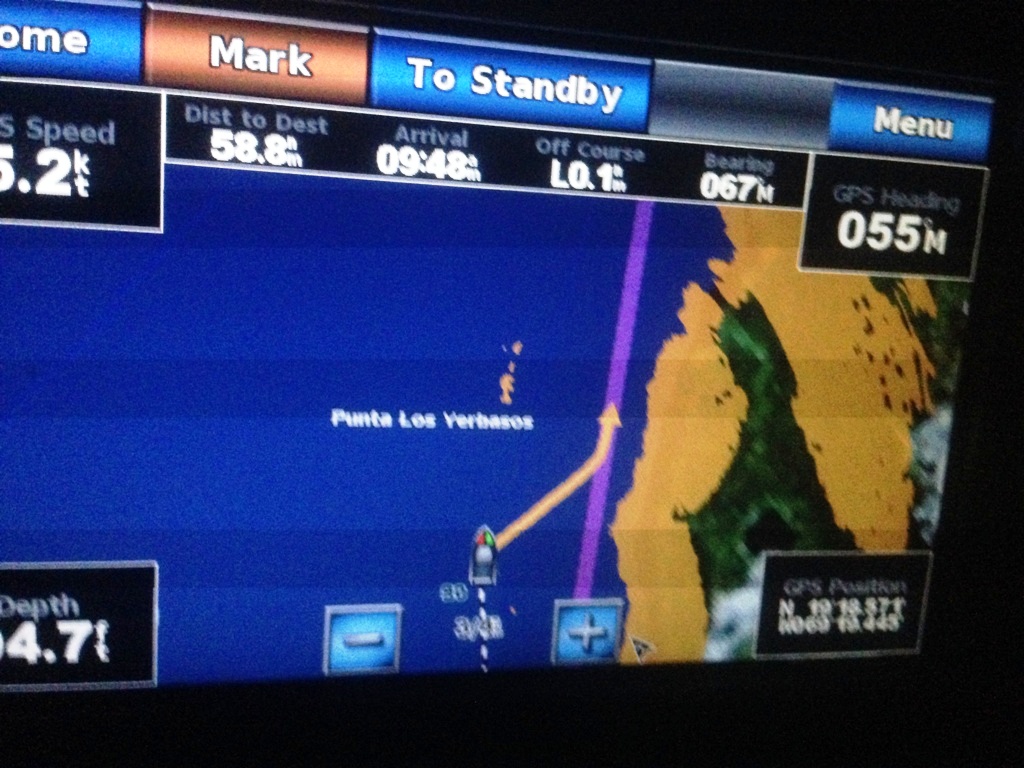
We eased off the engine and coasted for a minute or two. Repeated taps on the chartplotter screen indicated the blip was ALWAYS .32 or .33 nm in front of us, dead center off the bow. We sped back up to cruising speed only to find the blip sped up too.

Those that know Peter know he has impeccable vision. His eagle eyes can spot birds working over the ocean miles away. His fish eyes can spot and identify anything that moves within 100′ while swimming underwater. His night-vision is unreal. If anyone could see what was in front of us, it was Peter. He quickly grabbed the spotlight and made his way up to the bow. He hoped to see a glow, splash, reflection or something… instead he saw nothing but blackness.

With each rotation of the radar, the blip kept changing shapes, like a cloud in the sky on a sunny day. It definitely wasn’t waves. Waves have a distinct way of scattering around the boat on the screen and never reappear in the exact same place again. It wasn’t a water spout. The skies were clear and littered with stars. It wasn’t the shore. The radar signature showed features of the coastline to our starboard that were consistent with the graphics on the chartplotter. We wracked our brains trying to think of what else would cause a signature like that.

Before leaving the dock back in Florida we installed a High Definition Garmin Radar system with an 18″ dome mounted on our mizzen mast. It can pick up the smallest of objects including birds, navigational markers, mooring balls, waves and squalls. It shows other boats so accurately we can make out the stern and bow. The gain can be adjusted to filter out sensitivity as well.

What we saw on the radar that night was beyond eerie, bordering supernatural.

Following Van Sant’s guide, we “motored tight against the cliffs in the flat calm” exiting the anchorage and heading East. Is it a coincidence that it’s at this exact part of the guide that he tells how this bay is also named “the Scots Woman” and a woman supposedly haunts the bay? He goes on to say, “on different occasions I’ve talked with sober and mature merchant seamen who told me they have heard the crying of a woman while crossing the bay at night.” He then reports that he logged a peculiar melancholy during his first trip across the bay, years before learning of the haunting.

There is no other way to explain the feeling that Peter and I had that night, other than we felt as if the tiny blip on our radar screen was leading us out of Bahia Escocesa. It stayed with us for the entire length of the Eastern headland until we rounded Cabo Cabron, then vanishing from our screen as quickly as it had appeared.

IMG_8058IMG_8059IMG_8060IMG_8061

For ages, salty sailors have told stories of strange happenings out at sea. Though intrigued by the mysteries of those that have gone before us, the stories we tell here are our own. What do you think might have caused the eerie radar signature we saw? Please leave a comment your thoughts about our experience!!

The Thorny Path to Windward

Year after year, cruisers like ourselves sail south from the East Coast of the U.S. and make our way toward the Caribbean. We brave the swells, storms, currents and Trade Winds planning our every move around weather windows. The North Coast of the Dominican Republic is by far the roughest leg of the journey and many often sail right past it jumping off from Turks and Caicos and arriving in Puerto Rico.

We decided to take what old salts like to call the “Thorny Path to Windward” fighting the cape effects and coastal acceleration sailing dead into the wind as we make our way East. We followed Van Sant’s guide, or what he likes to call the “Thornless Path to Windward,” all the way across the North Coast of the DR and we are forever grateful for his wealth of knowledge. Most helpful was his suggested itinerary for departure and arrival times at various points along the coast. With a few minor tweaks on the departure times, Van Sant’s itinerary saved us from getting beat up on the near 300nm journey from Luperón to Puerto Rico.

Capture

Ready to say good bye to Luperón, Peter and I went into town one last time to get our despacho before the Navy building closed at 5pm. The DR is very strict about being cleared in and out of each port of call, inspecting yachts in transit for any illegal stowaways. We made sure to ask the officials to document that our next stop would be the next major port of call, Samana. It’s okay to stop along the way for weather and resting, but any officials we might have encountered would need to see that we were properly cleared out of Luperón and our next destination is recorded as still within the country. If we had declared that our next stop would be Puerto Rico, but we had stopped again along the DR coast, we would have been checked out of the country already and in a heap of trouble with the local authorities. If we don’t stop at Samana, it’s no big deal. Puerto Rico doesn’t care to see the despacho at all.

The Navy officials were willing to process our paperwork at 4:30pm since we told them we were leaving within the hour. If we were not going to leave right away, they wanted us to wait until the next day and come back to get our despacho then. Conveniently, the officer was not able to get ahold of anyone that could come out to inspect our boat since everyone had gone home already. He processed our despacho, shook our hands and sent us on our merry way.

Peter and I had no intention of leaving at 6:00 in the evening, knowing the Trade Winds were surely still piping outside the harbor with less than friendly seas pummeling across the entrance. Didn’t they know who Bruce Van Sant was? He lives in Luperón for crying out loud!! Hadn’t they dealt with thousands of other cruisers following Mr. Van Sant’s recommendation to leave at 4am? Apparently not.

Around 2:00 am I untied the lines and made my way out to the bow with a spot light. Peter carefully motored through the mooring field navigating around the mud shoals as I shined the light on approaching boats and vacant mooring balls. The twinkling of anchor lights in the harbor pierced the thick darkness of the night blending in with the stars up above. The flat calm waters quickly disappeared as we followed our tracks back out through the channel. The waves grew bigger and bigger.

Just then, in the darkness behind us, I saw a light. It was a small boat with several men in it and they were headed right for us. Their outboard motor was at full speed and they were going over the waves almost vertically. Not a single one of them spoke English. They were screaming at us and telling us to turn around. It was 2am in the darkest of nights with huge waves coming straight toward us and we happened to be in the narrowest part of the channel. With a cliff to our starboard and a dangerous shoal to our port, they insisted that we turn around that instant, not even a little bit further.

I quickly scrambled down below and grabbed our despacho and held it with two hands out the side of our cockpit trying to show the men that we had clearance to leave that day. They were very suspicious and tried to board our boat. I waved the despacho at them again, reaching my arms as far as they could go without falling out of the boat. I was trying to block their entrance to board us while showing them we had valid documentation. Thank God I had it in a clear plastic sleeve (like the kind we used to use for book reports in elementary school). The waves were slamming up against the boat spraying saltwater everywhere. They took it from my hands to examine it closer. The men were on radios trying to reach someone. Peter was busy trying to navigate the boat so he couldn’t pay attention to what they were saying. The dogs were barking, the wind was howling, the waves were crashing against the cliffs and we were relying solely on our chartplotter and radar. It was quite possibly the scariest moment we’ve had so far.

After Peter got the boat turned around he attempted to idle in the tiny area the current had pushed us towards. Anyone that has a Whitby knows these boats DO NOT turn or back up, especially in tight places, and with 3-4′ waves pummeling the beam. What seemed like 20 minutes later, they let go of the side of our boat and in a confusion of broken Spanish, they finally told us it was okay. “Adios?” I screamed. “Si, Si, Adios!” they chuckled back.

Were they absolutely insane??? That was the worst possible moment to approach and tell us to turn around. Peter’s excellent Captain skills got us out of that mess safely, but it sure was scary.

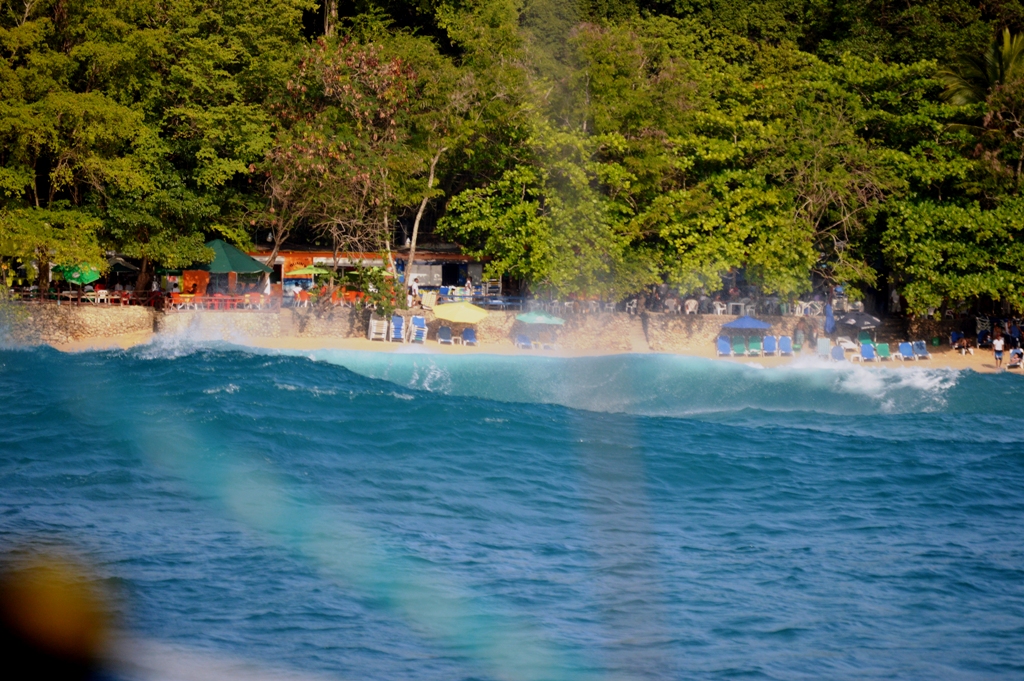
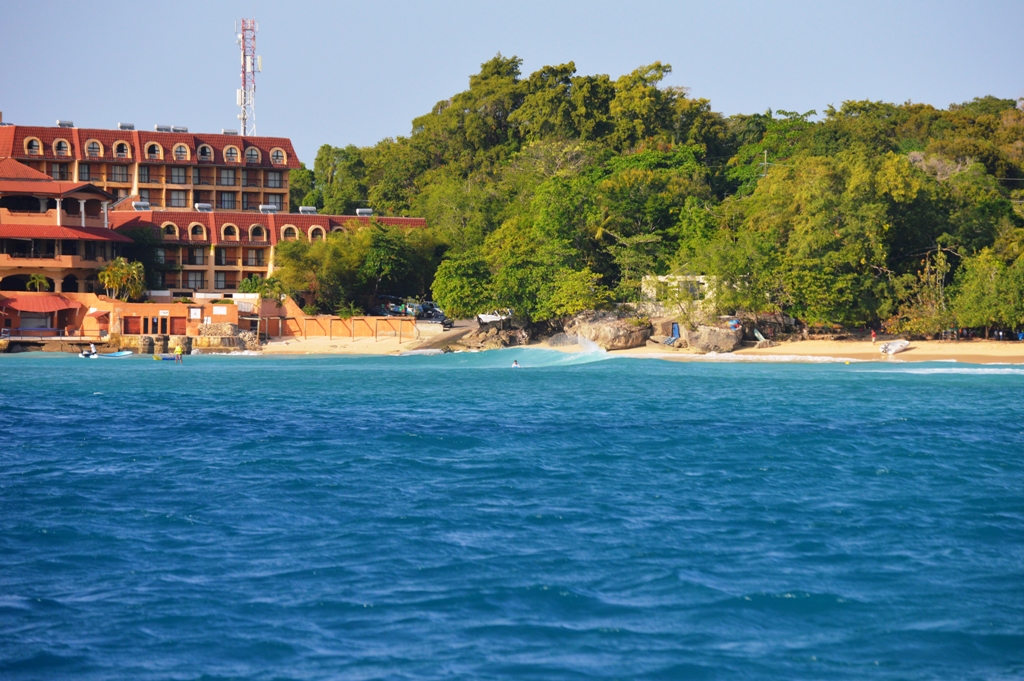
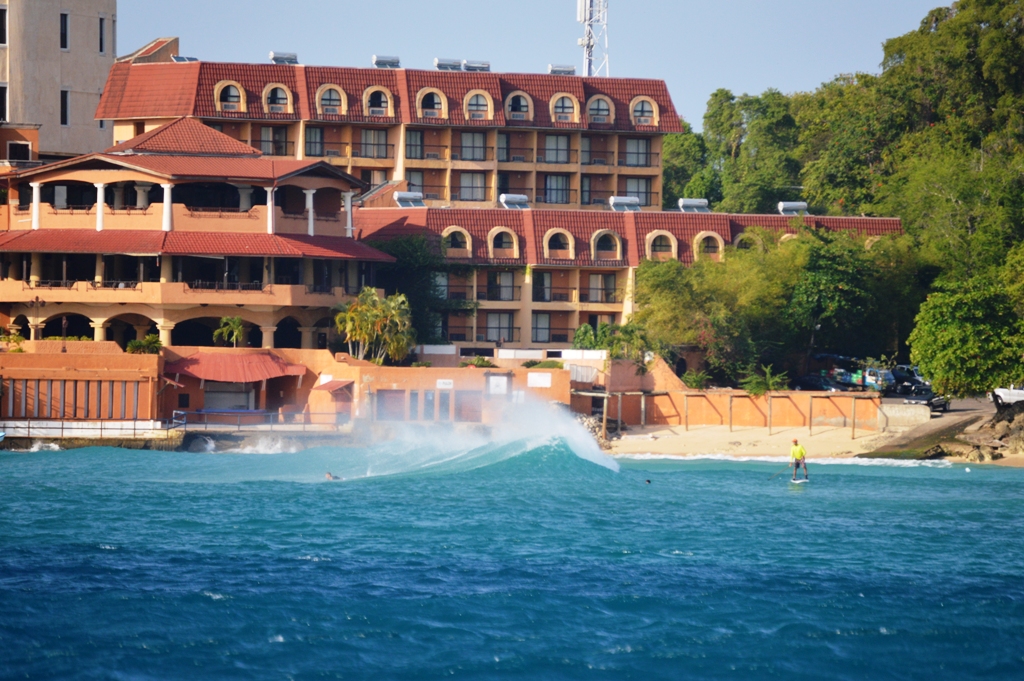
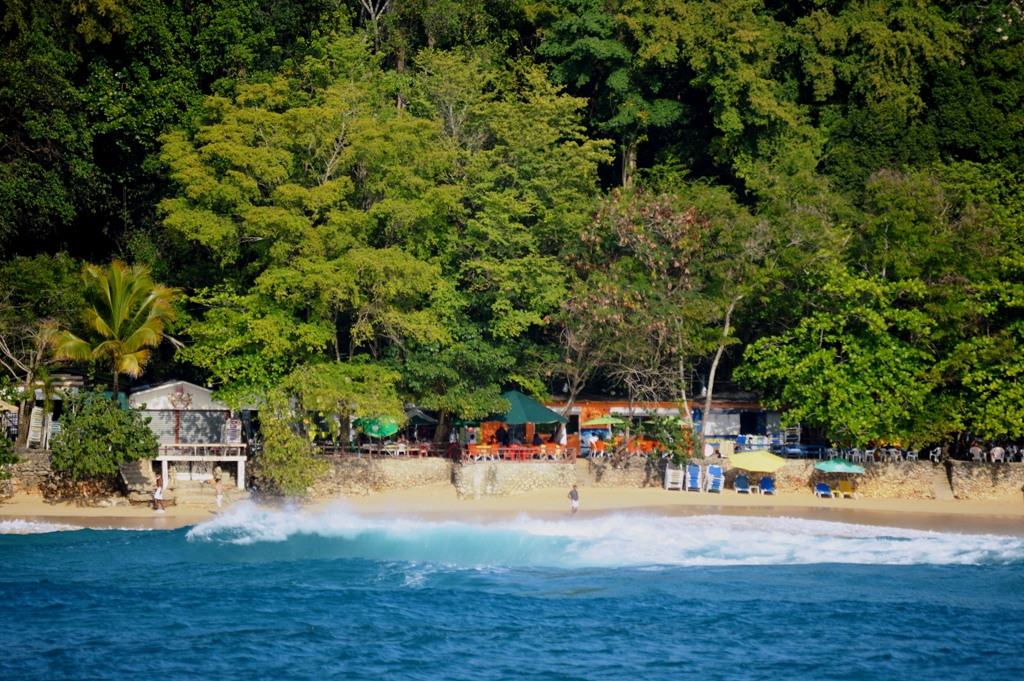
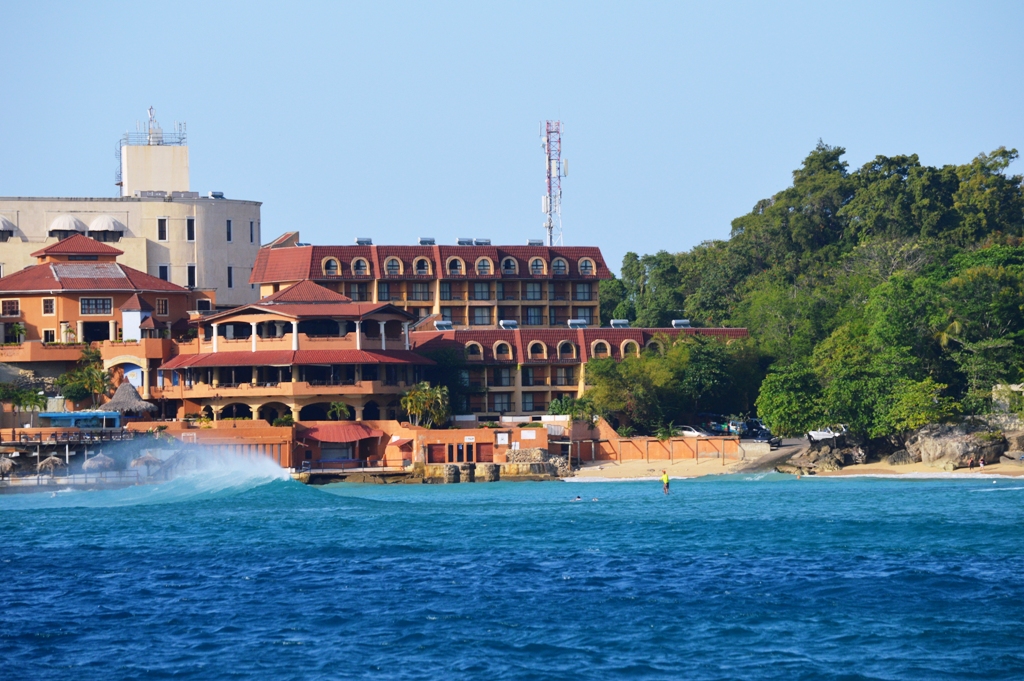
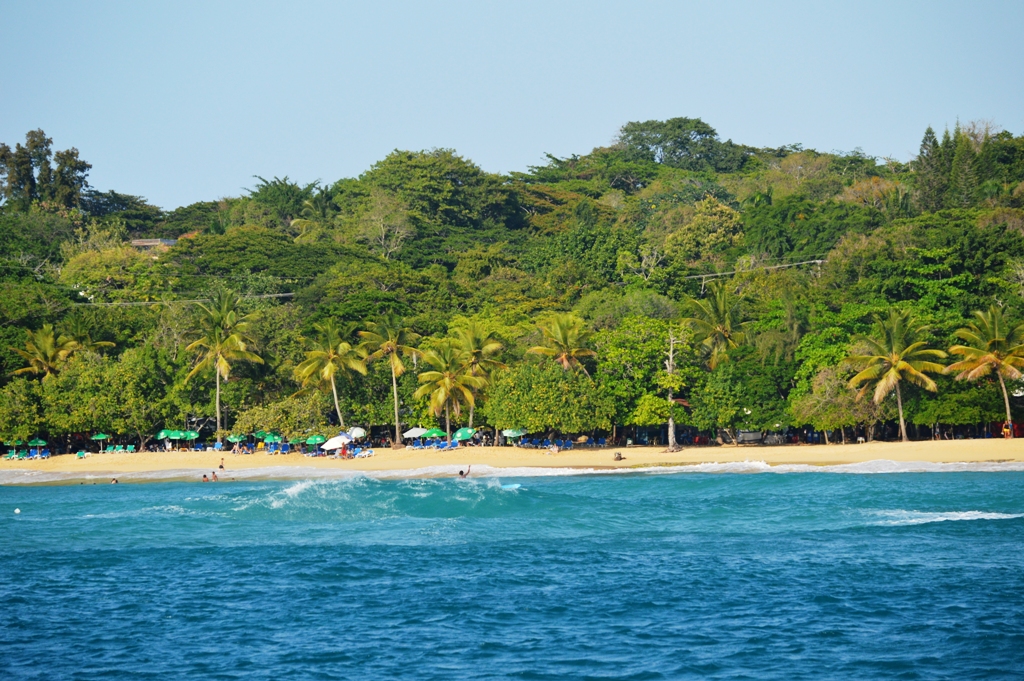
We arrived in Sosua around 7am on May 2nd after taking advantage of the calmer night lee winds. After 8am is when the winds really pick up and we took Van Sant’s advice and made sure we were securely anchored before then. We dropped the hook inside a reef with waves breaking just 200′ from the boat. That may seem like a good distance but when 8′ waves are breaking on either side of you, it’s kind of unnerving. There weren’t any options for staying out further due to a significant dropoff past the reef. Van Sant had also said to not travel or anchor here in a North swell but in order to make an amazingly calm 3-day window for crossing The Mona Passage, we had to traverse the DR coast on a schedule.

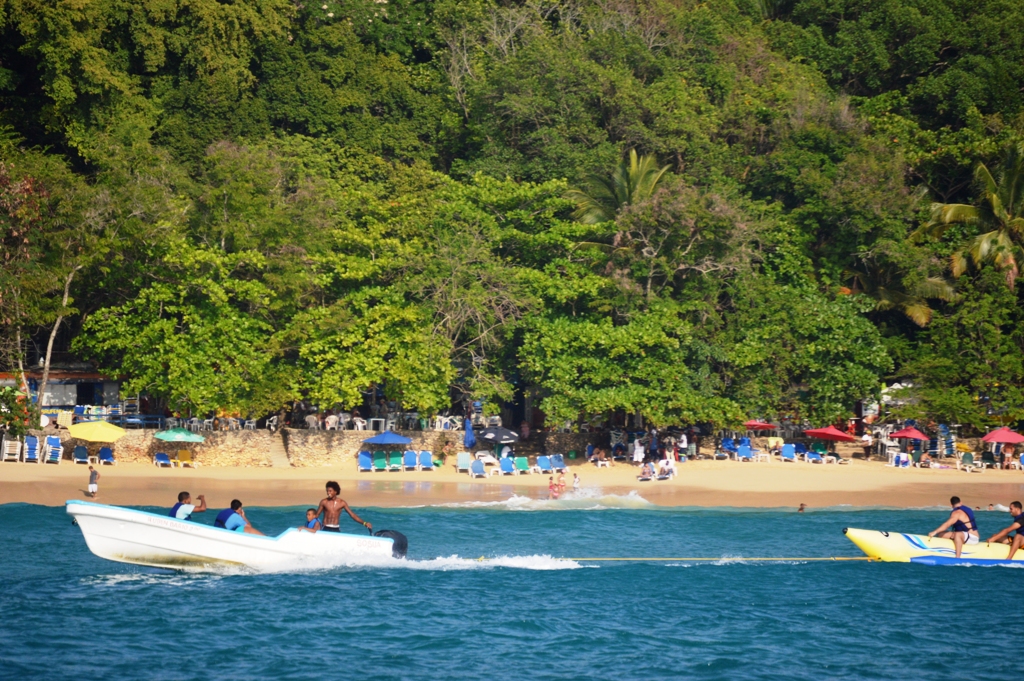
Music blared from the beach all day and vacationers zipped around on a huge inflatable banana towed by a little fishing boat. Paddleboarders were surfing the shore breaks and kids were swimming in the shallows. We tried to get a little rest during the day in preparation for the next departure later that night.

DSC_0014 DSC_0015 DSC_0016 DSC_0017 DSC_0030 DSC_0032 DSC_0034 DSC_0036 DSC_0039 DSC_0043 DSC_0045 DSC_0056 DSC_0060 DSC_0066 DSC_0073

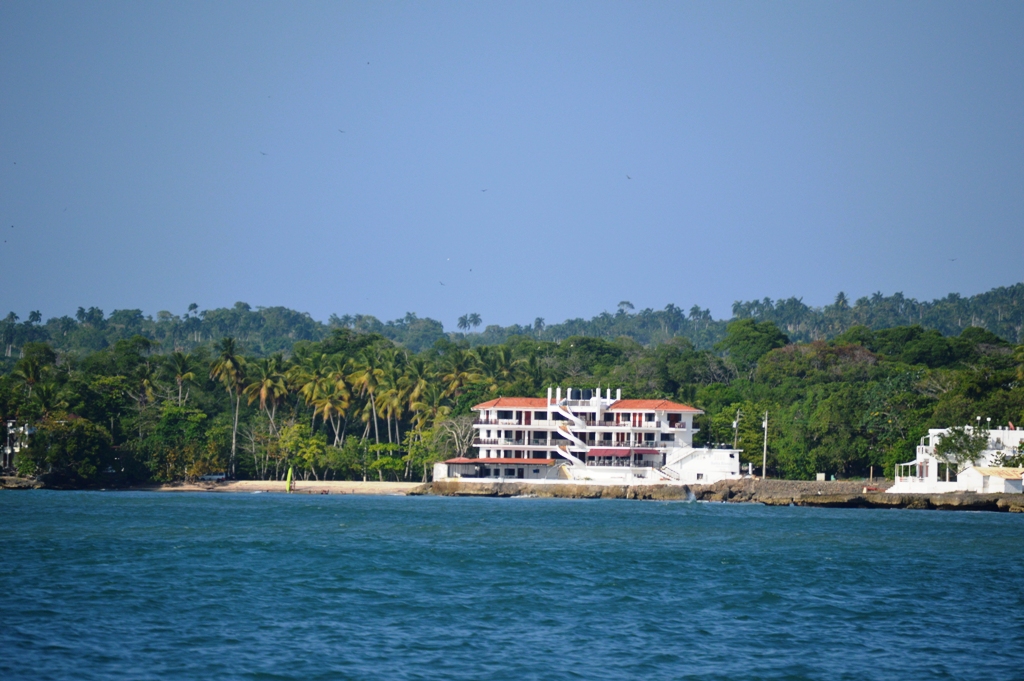
We rounded Cabo Macoris in the middle of the night and made short tacks inside the lee of Cabo Frances Viejo stopping off at Rio San Juan the morning of May 3rd. This part of our journey was pretty uneventful, motorsailing all night and sleeping all day.

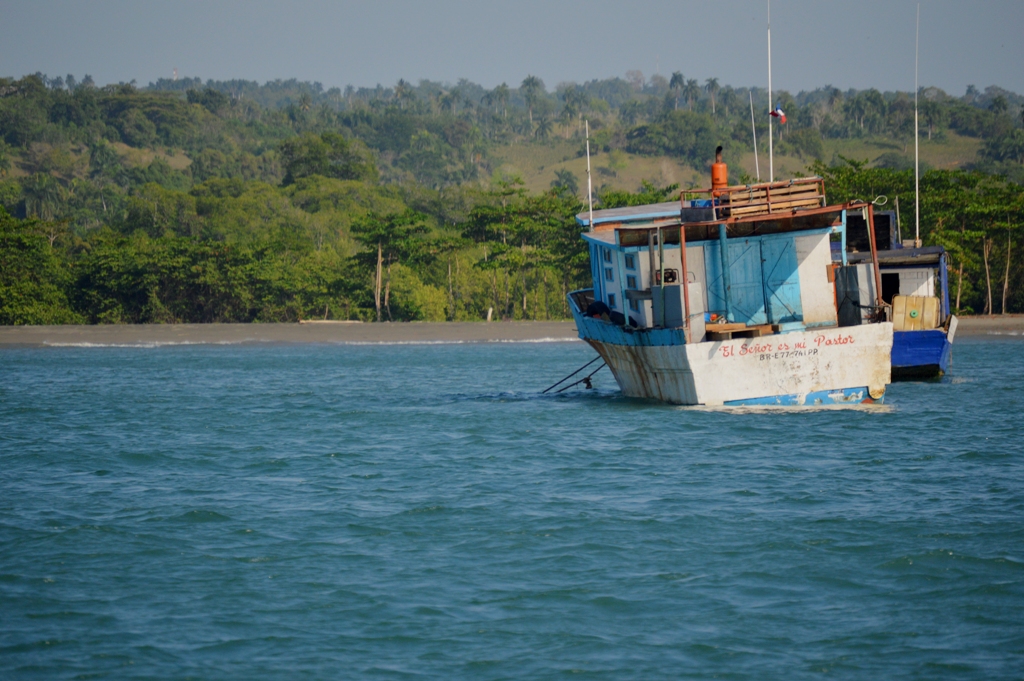
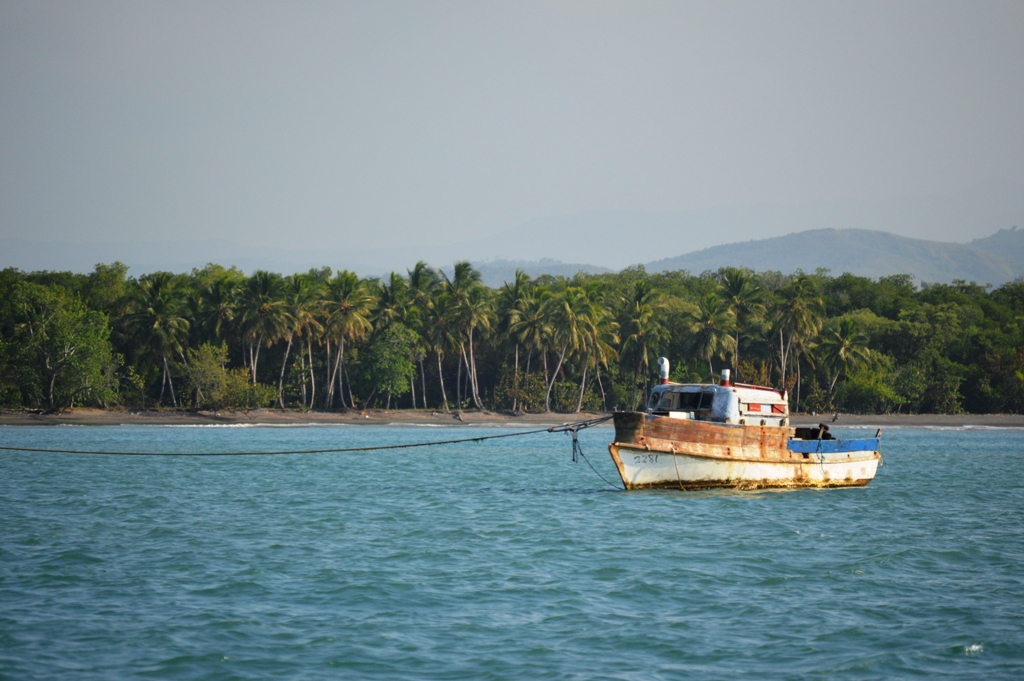
The swell wasn’t as bad in the old fishing village of Rio San Juan but we still left our mizzen sail up while were anchored behind several old fishing boats. Having the mizzen sail up keeps us pointed into the wind and significantly reduces the amount of rocking back and forth from the relentless North swell funneling in to the anchorages on the North Coast.

DSC_0077 DSC_0088 DSC_0094 DSC_0105 DSC_0116 DSC_0126

We left Rio San Juan around 9pm that night knowing we would be fighting the Equatorial Current around Cabo Frances Viejo and wanted to clear the cape well before 8am the next morning. We kept with our current schedule of planning the next arrival for 8 or 9 am before the winds picked up.

The shores of Bahia Escocesa led us to what Van Sant calls Puerto Escondido, tucked inside a gorgeous hillside of mountains and cliffs. This would be our last stop before crossing The Mona Passage the following day.

Rio Damajagua Cascades: The 27 Waterfalls of the Dominican Republic

Along with the many services they provide, Papo and Pedro coordinate rides from Luperón up to the famous 27 waterfalls not too far from Puerto Plata. We had heard from several of the locals that going to the waterfalls was a MUST while visiting the DR. We had only planned on staying in Luperón for as long as it would take to fix our propane solenoid and our generator but we made sure to work in a little play time too.

The very next day after our generator was fixed, Papo picked us up from our boat and took us to the dinghy dock where a white van was waiting. Peter and I were joined by another cruising couple and their friend. As it turns out, we had met them way back in Spanish Wells, Bahamas!! It was nice to see some familiar faces and share the long ride up the mountain with fellow cruisers.

The ride through town and up into the mountains took about 45 minutes. We stopped at a local market along the way for some cold Cokes for Peter and I, and some ice-cold beers for our cruiser friends.

IMG_7845 IMG_7849

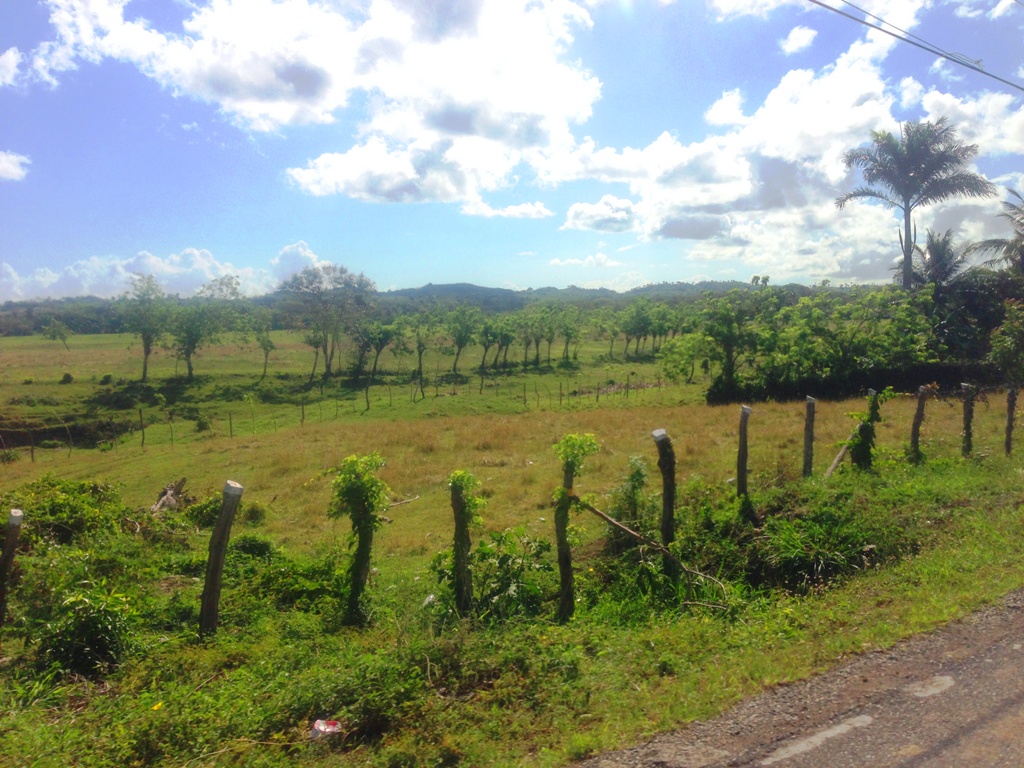
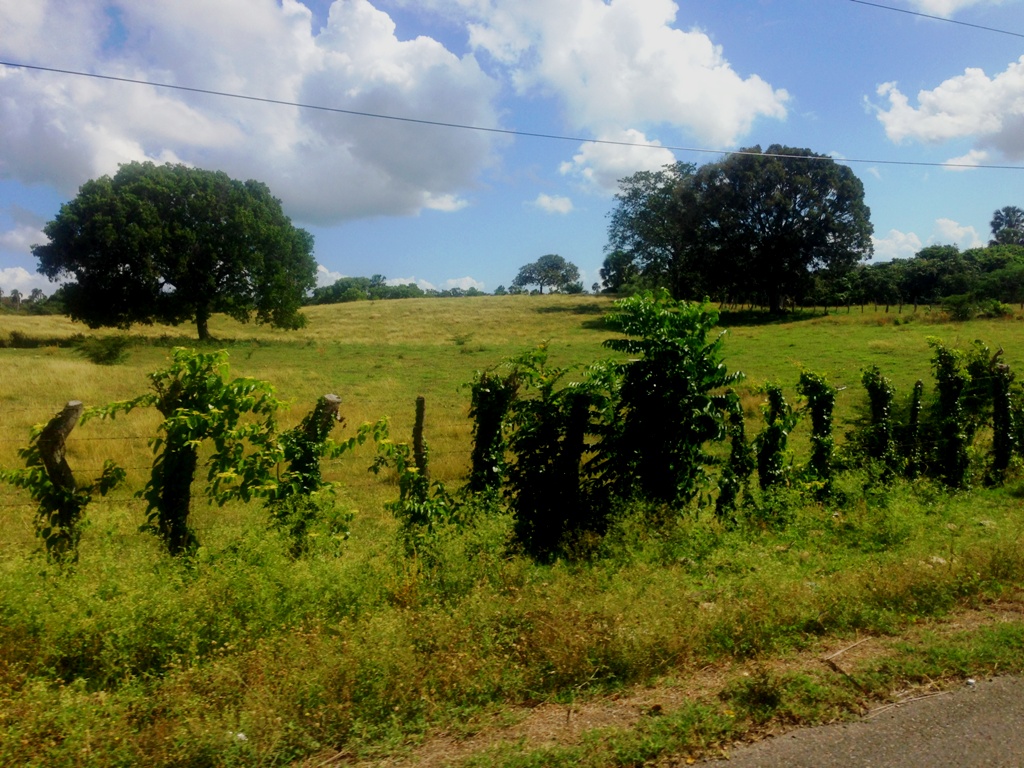
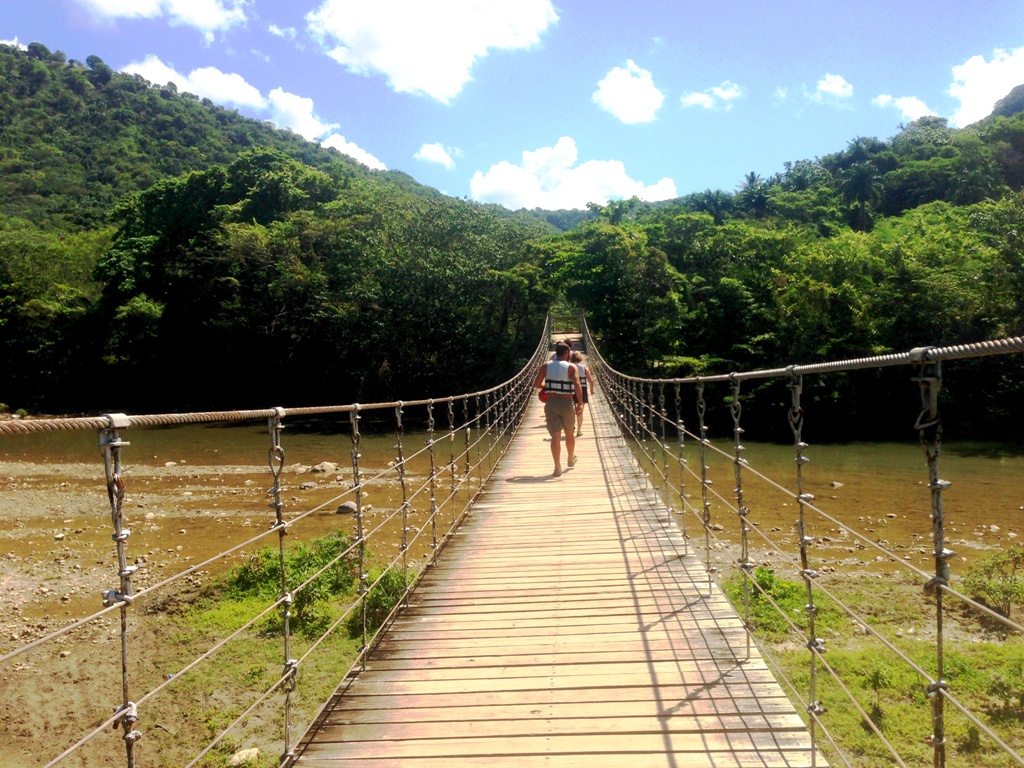
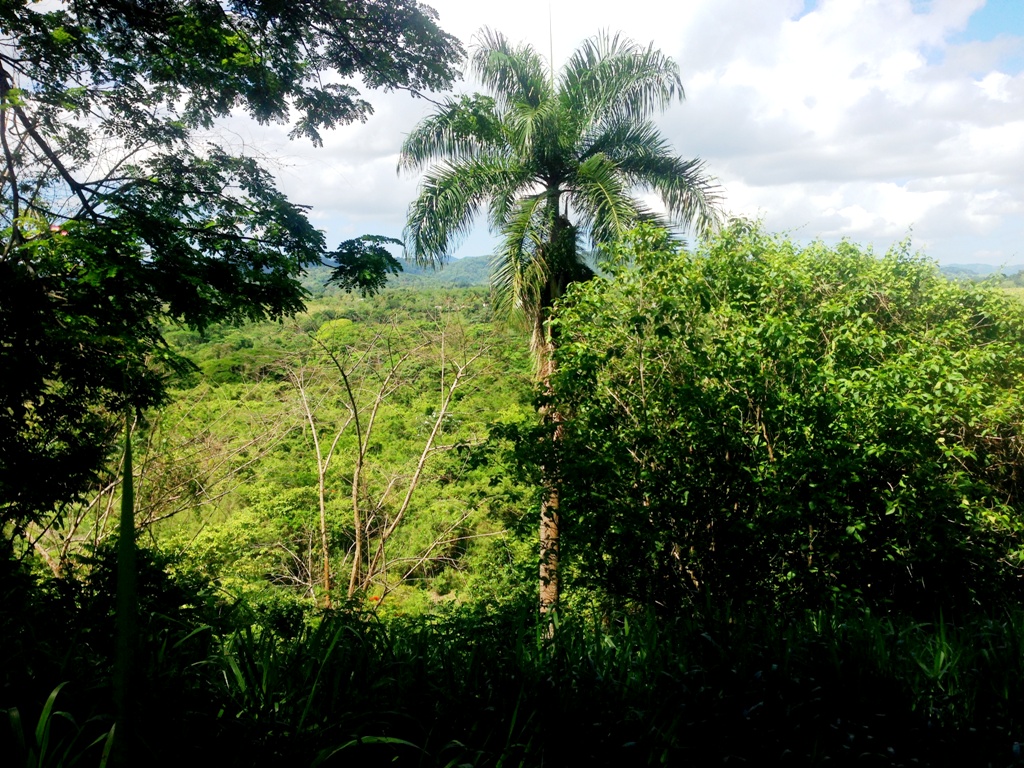
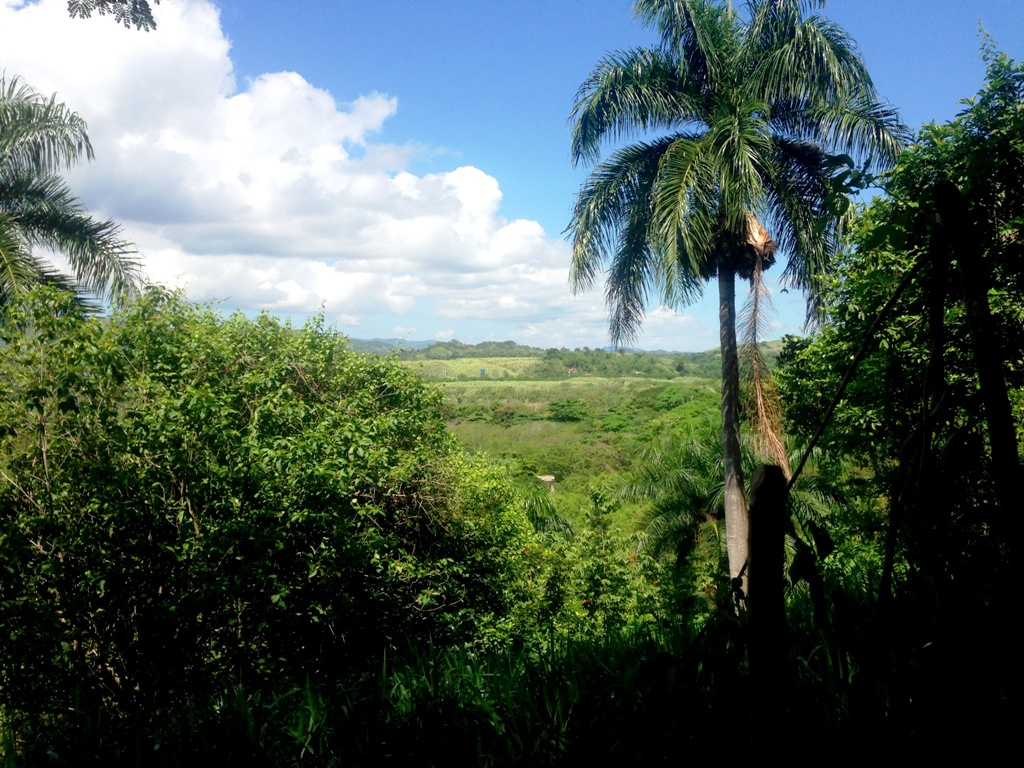
The scenery was spectacular. We passed huge pastures, fields of sugar cane and coconut trees. The rolling hills of green seemed to go on forever. It was a great reminder of how people all over the world Live Different. Their small houses were scattered along the country roads with laundry strung across their front yards and often no windows or doors. The heat was stifling but the landscape was so still and peaceful. We were so caught up in its beauty, forgetting about the heat.

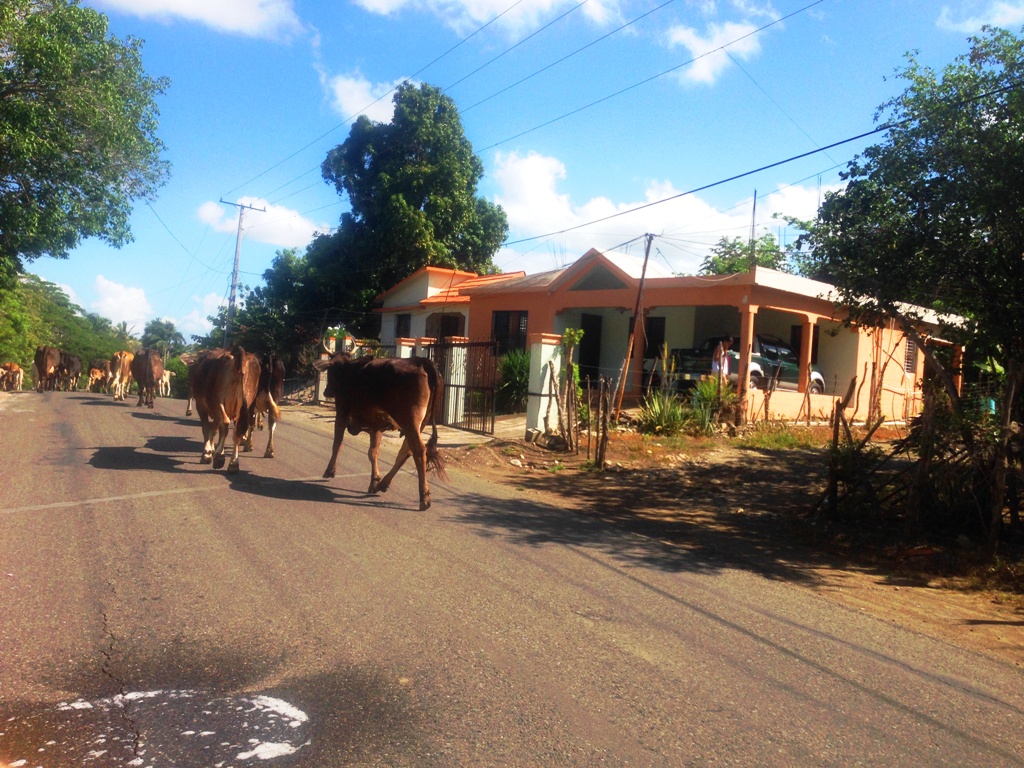
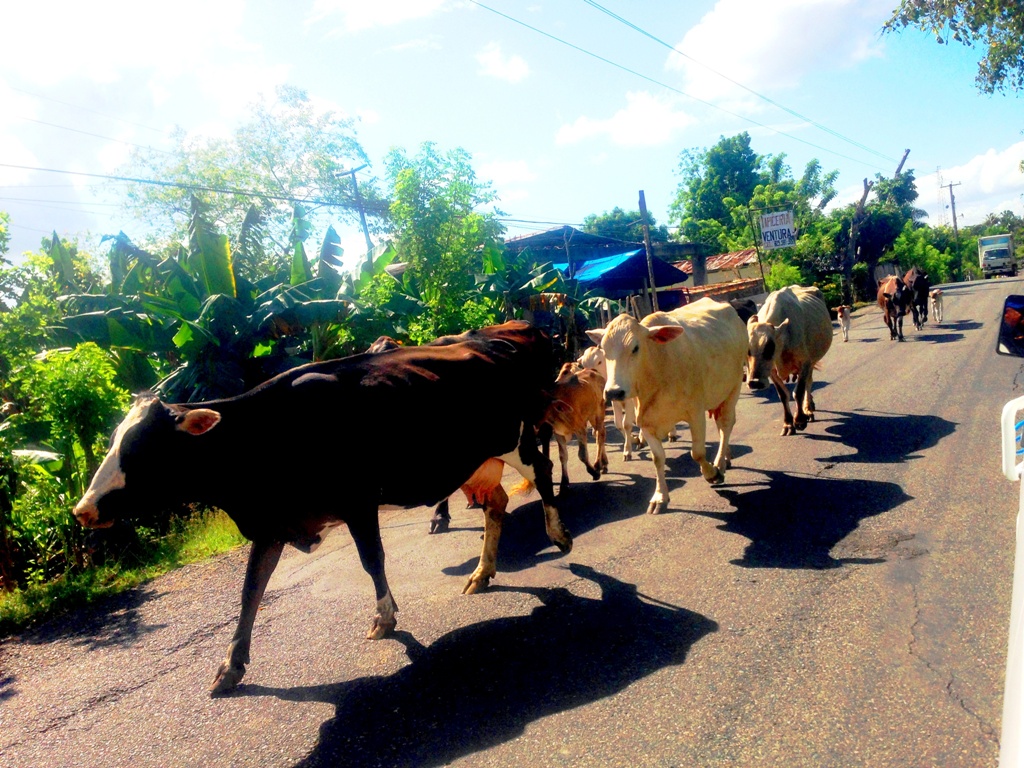
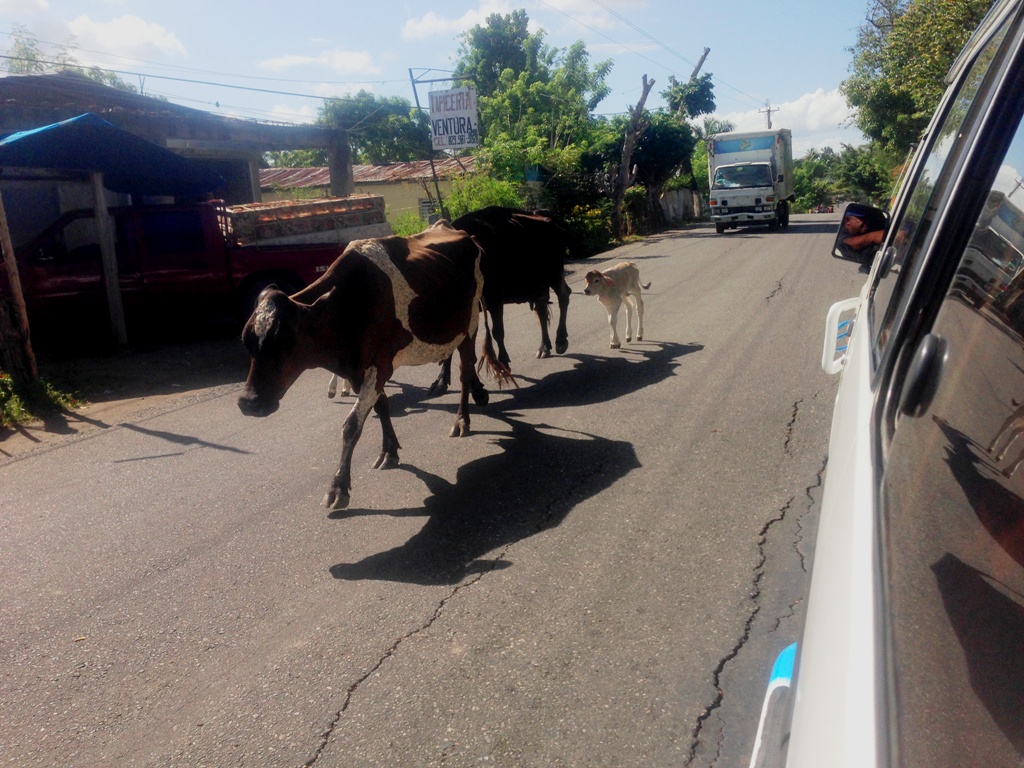
All of a sudden, the van slowed to a stop. Something was definitely going on ahead of us but it took a minute to figure out what… Cattle. Dozens of cattle were meandering down the road as if it were covered in grass in the middle of a field. A regular occurrence around here I guess. Just a few days before, we saw a man leading a gigantic pig down the street in front of Putula’s Bar. That pig had the biggest cojones I’ve ever seen!!!! I tried to get Peter to run after it and take a picture but he was too busy happily grinding on his pulled pork sandwich :)

IMG_7861 IMG_7874 IMG_7876 IMG_7891

After a short bumpy ride on a gravel road we arrived at the park that operates the tours for the 27 waterfalls. 27 Charcos at Rio Damajagua is open daily from 8am to 3pm. We were advised to get there early, and we’re glad we did. Truck-loads of people start arriving mid day and throughout the afternoon.

We really didn’t know what to expect before we arrived. Unfortunately Papo didn’t give us very much information about what to bring or not bring. We knew lunch would be included but that’s about it.

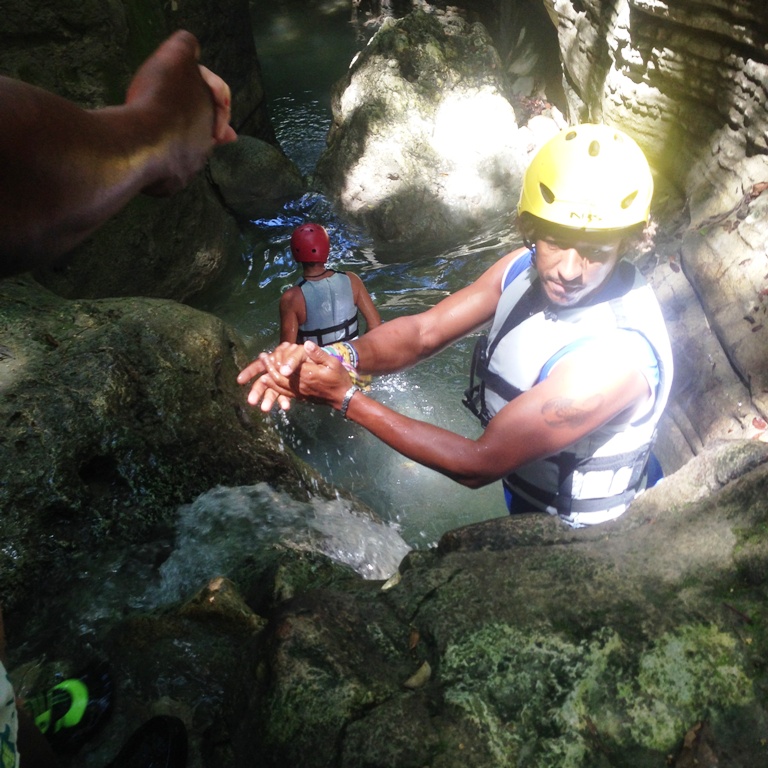
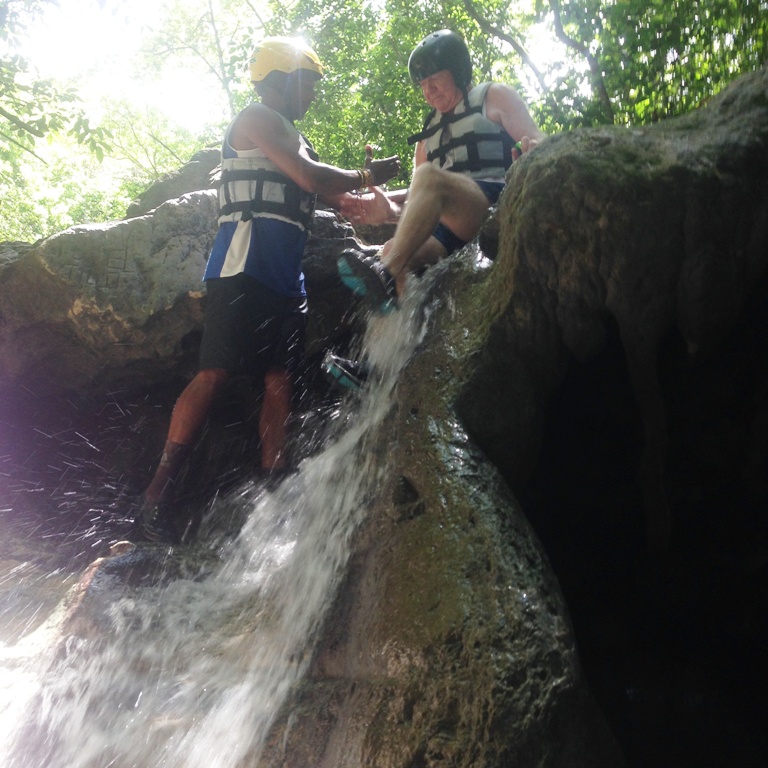
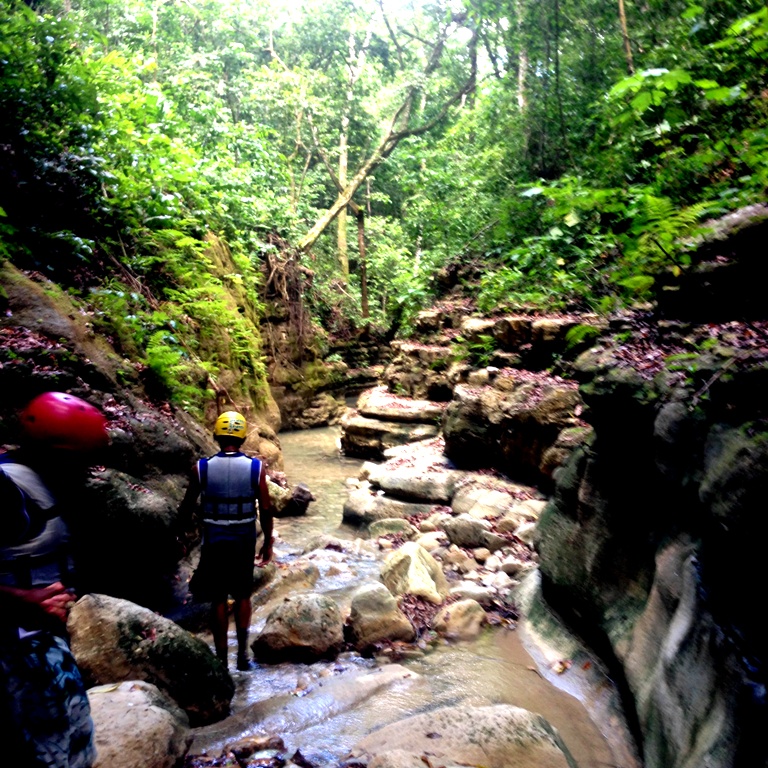
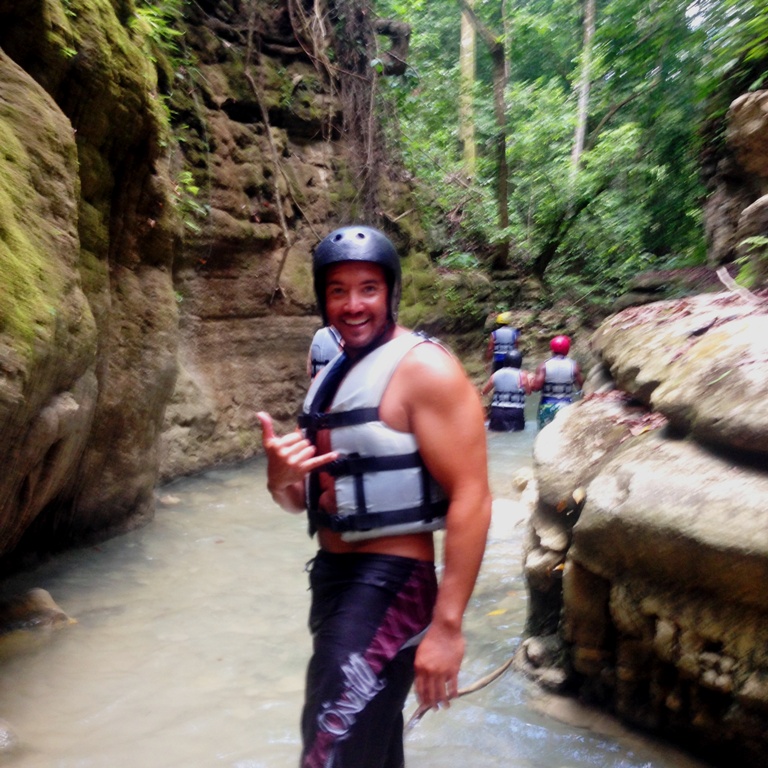
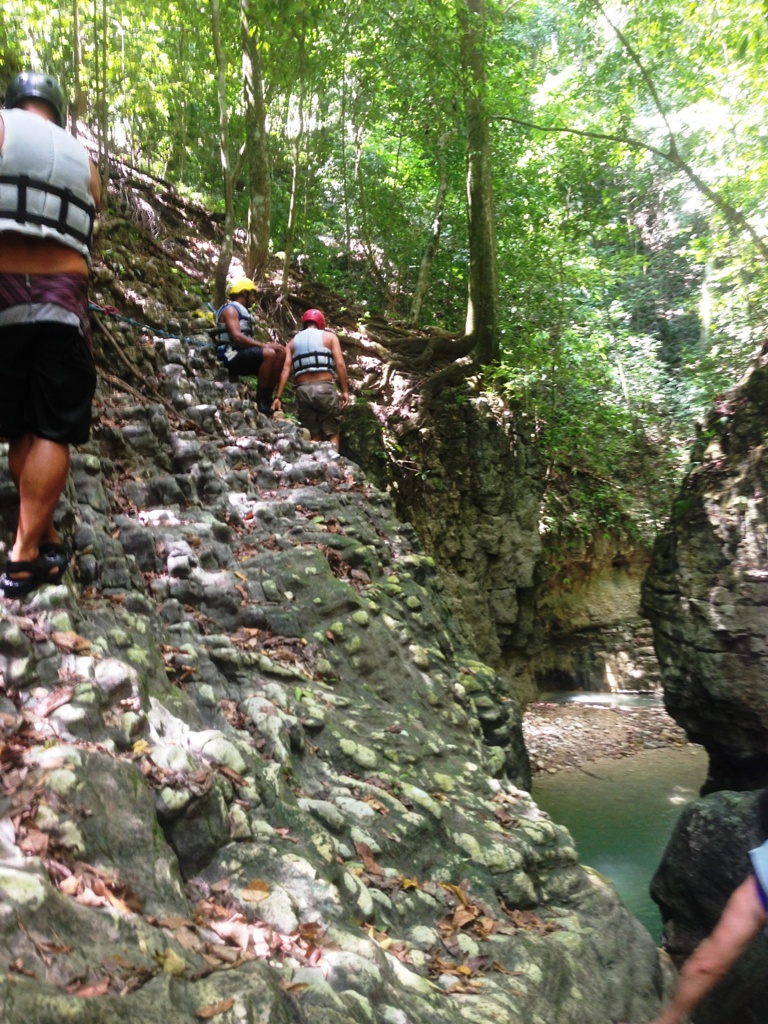
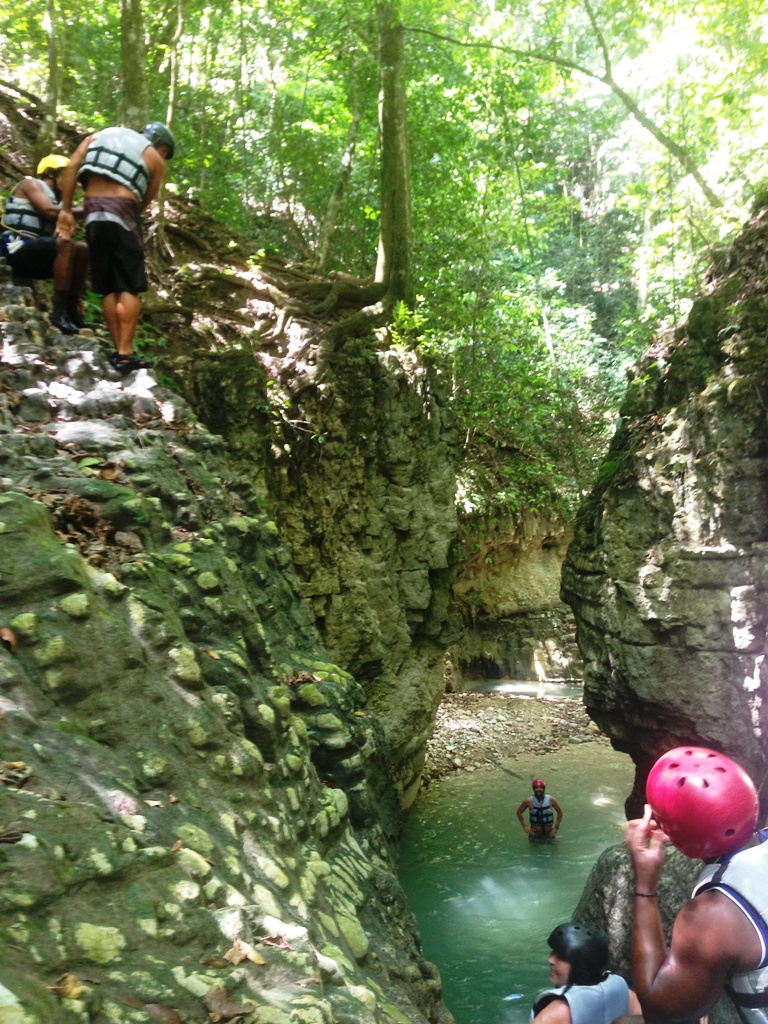
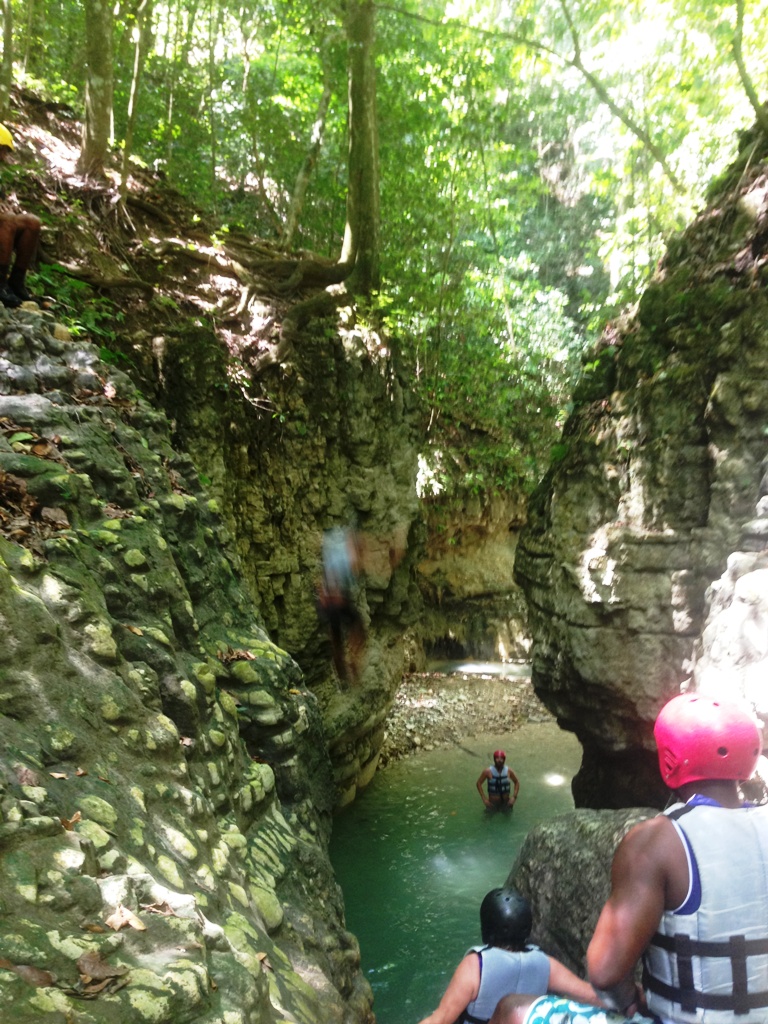
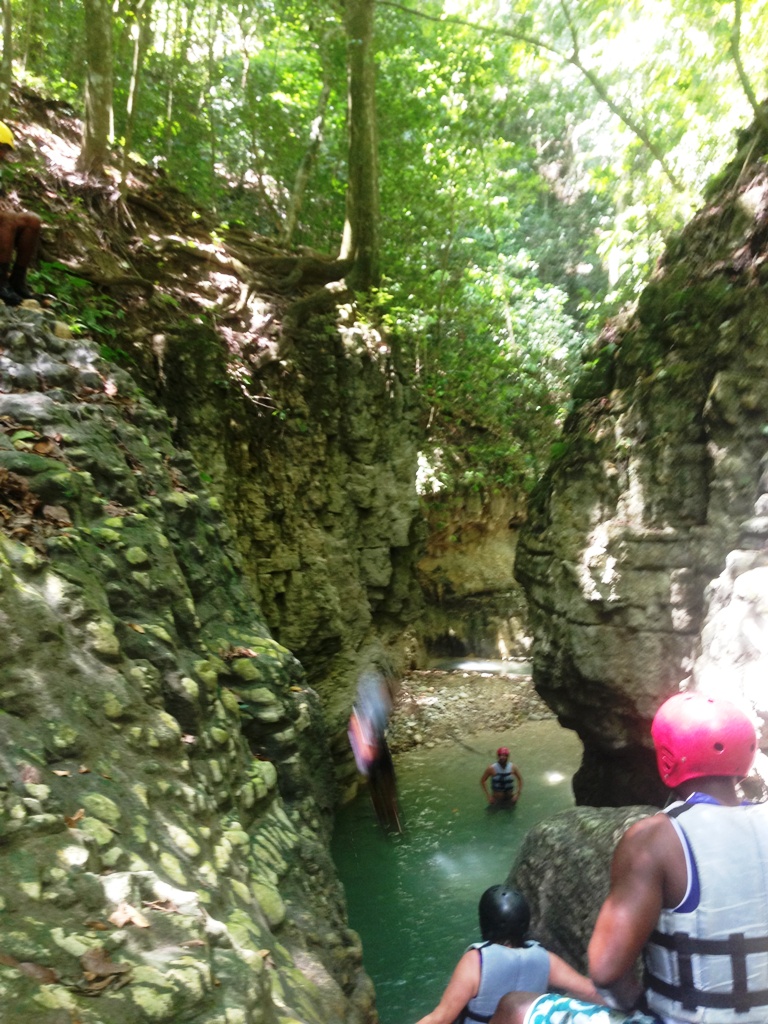
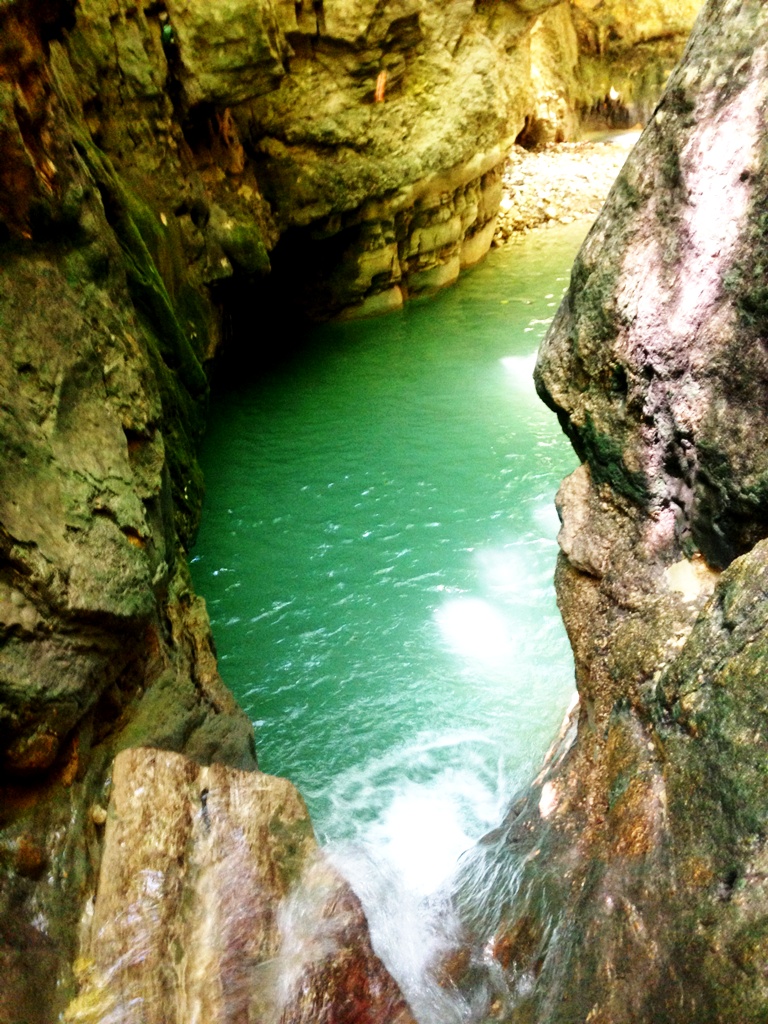
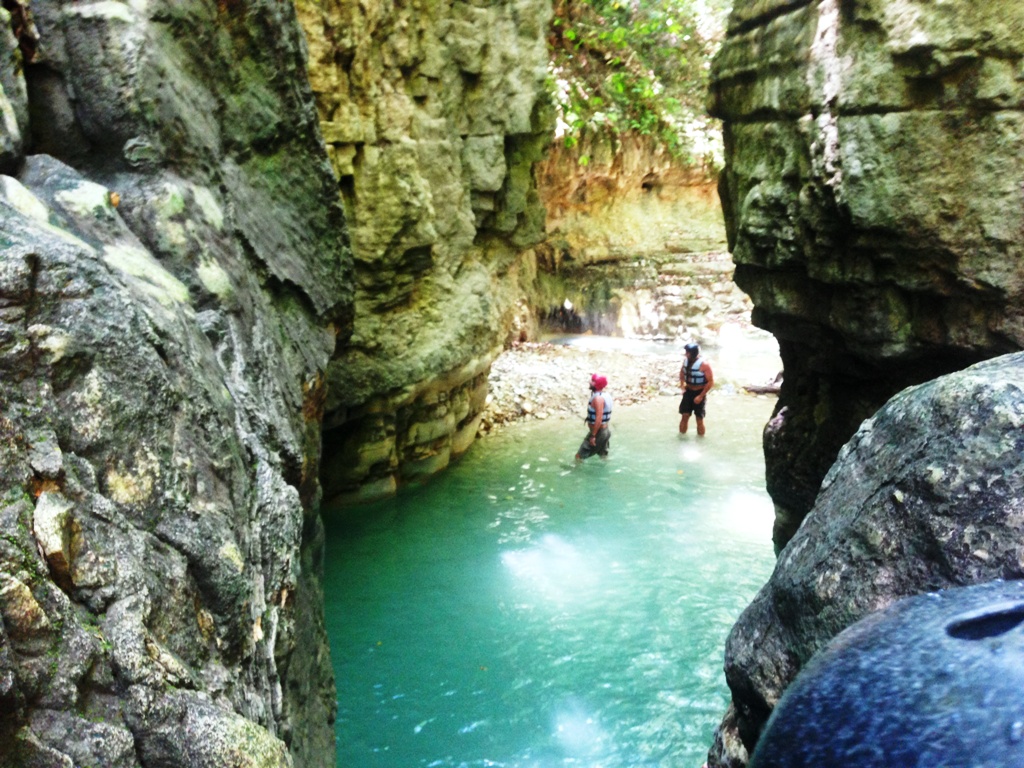
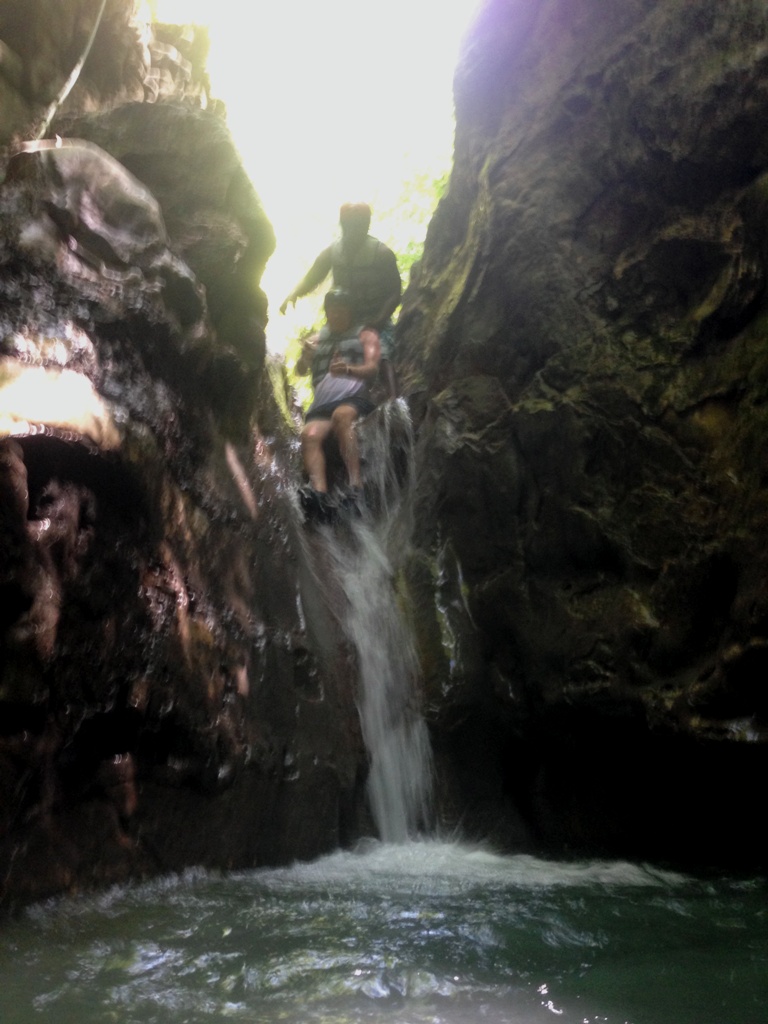
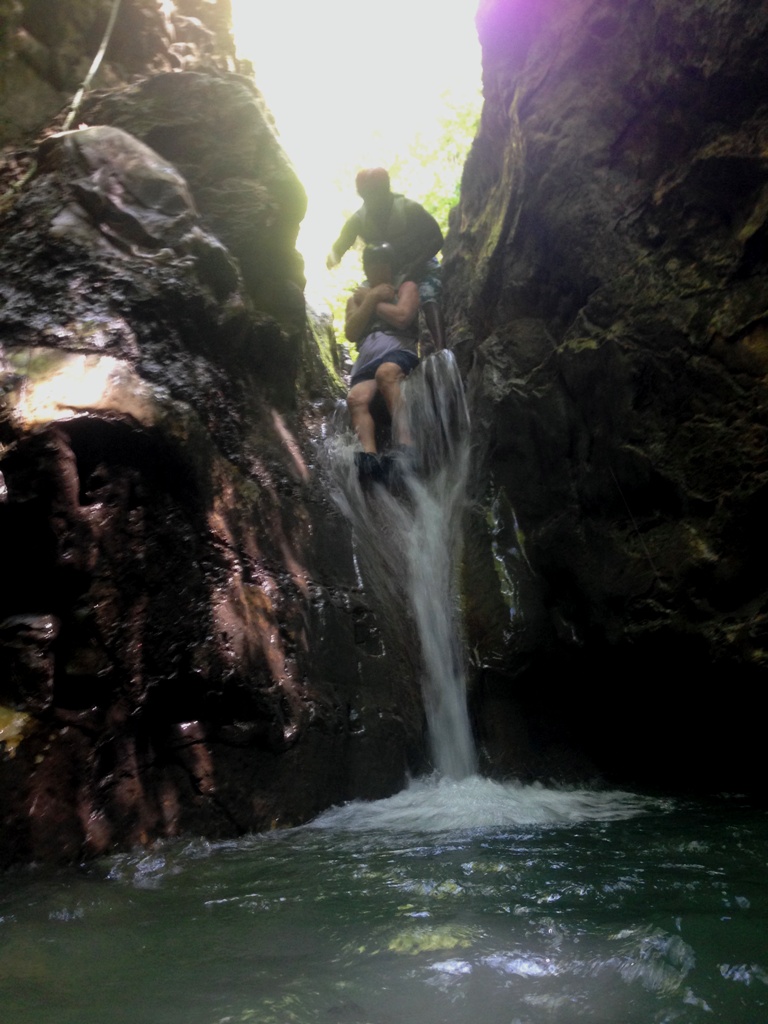
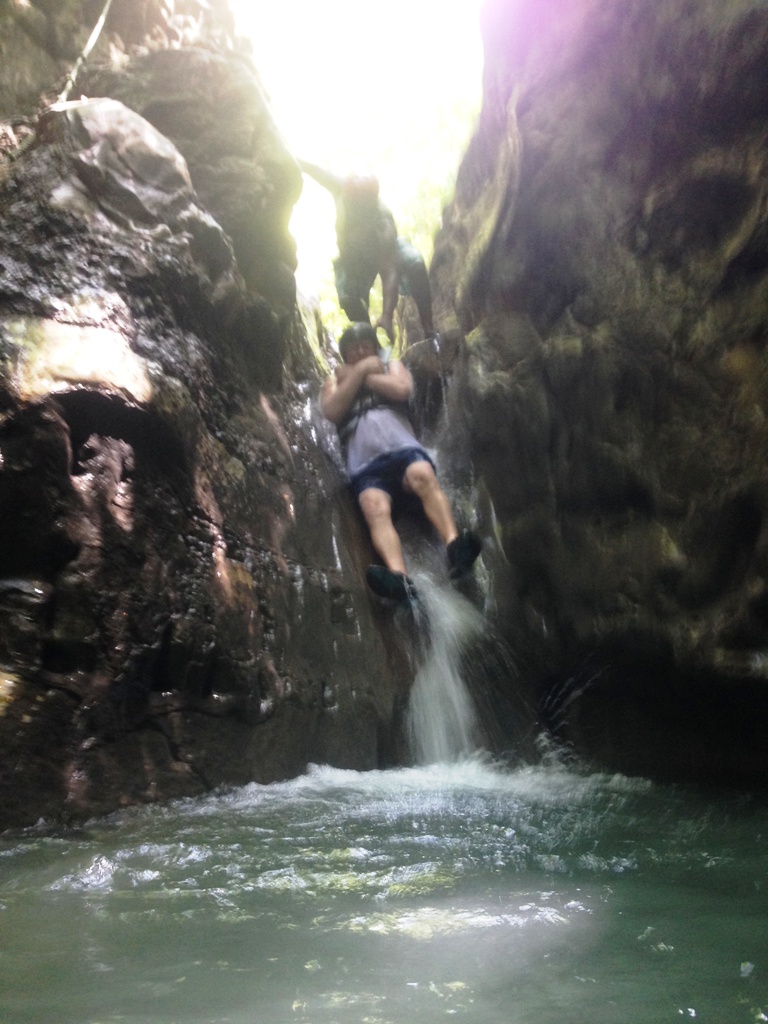
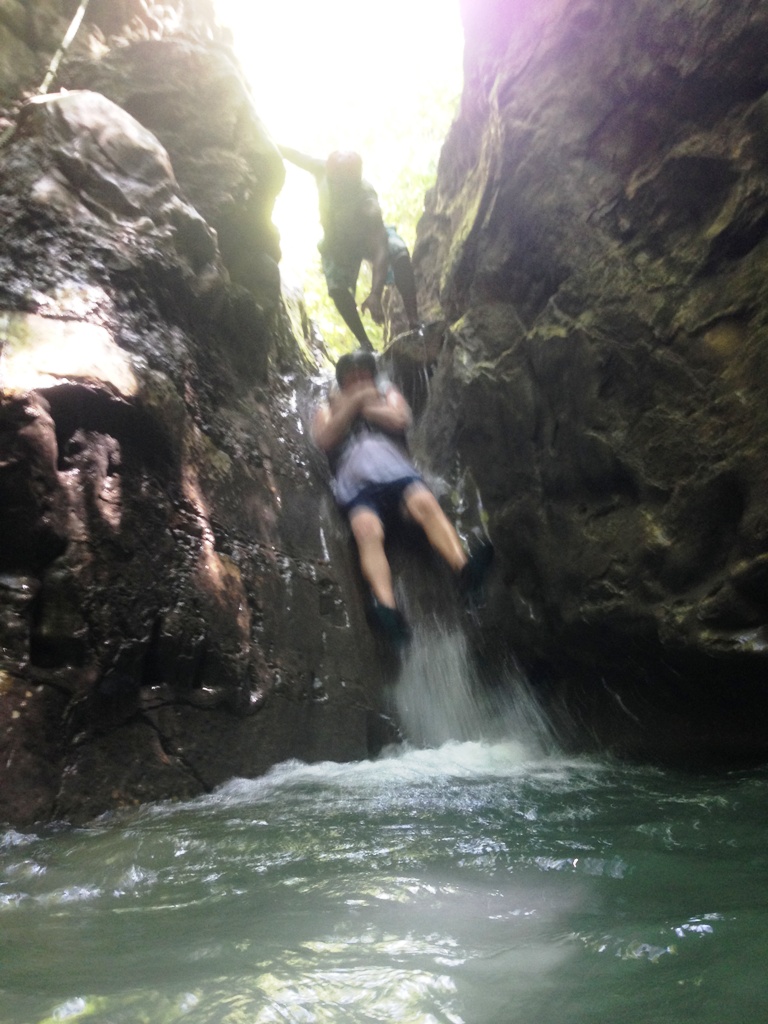
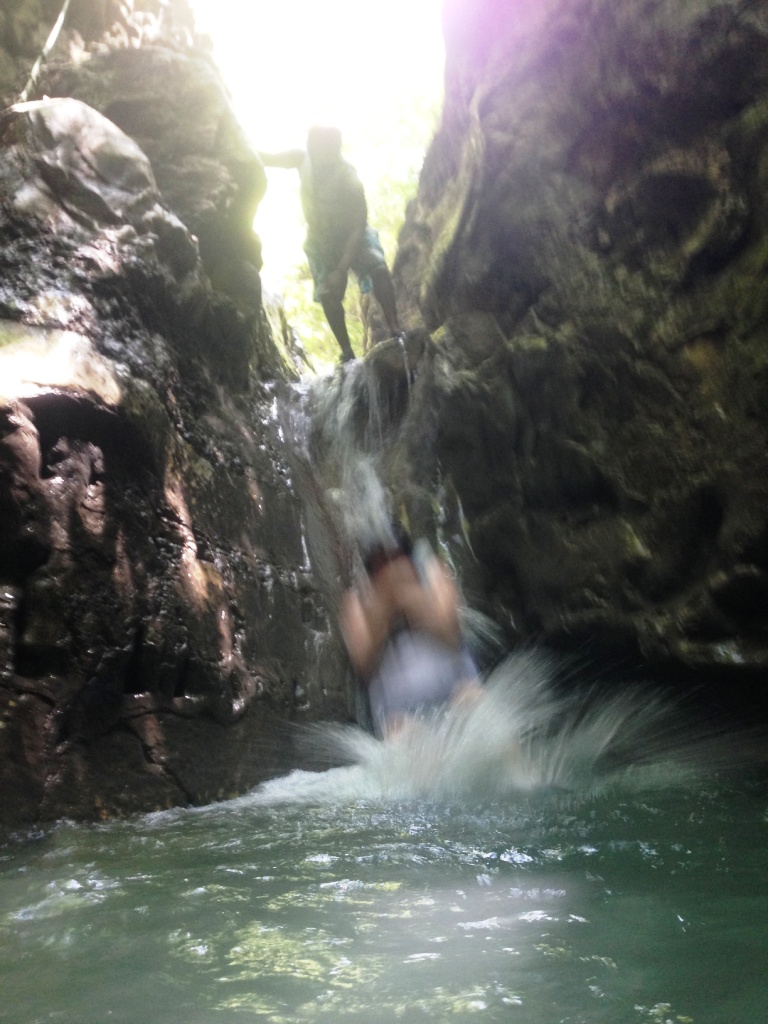
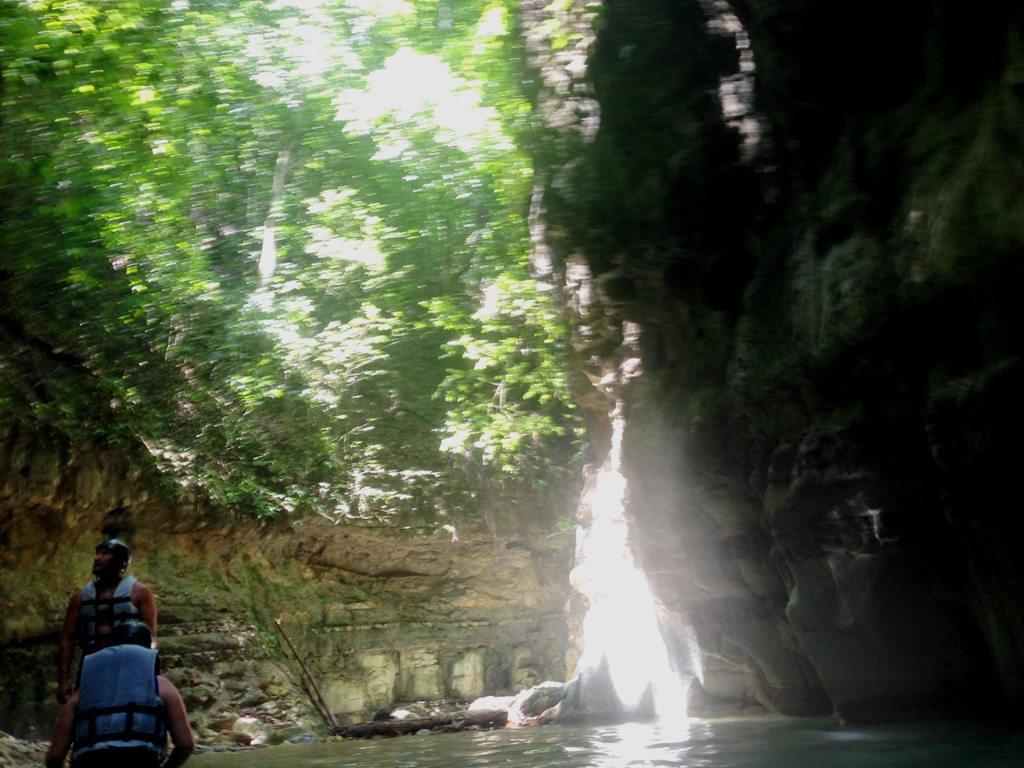
There are three different tours  you can choose from. The 1-7 waterfalls are the easiest. 1-12 waterfalls is what we did. It would have been amazing to see all 27 falls but we selected the 12-waterfall tour to make sure we were back in the early afternoon to let the dogs out. The falls range from 10-20′ and most of them are done by crossing your arms across your chest and sliding down. The guides were great and they help everyone get positioned safely before letting go.

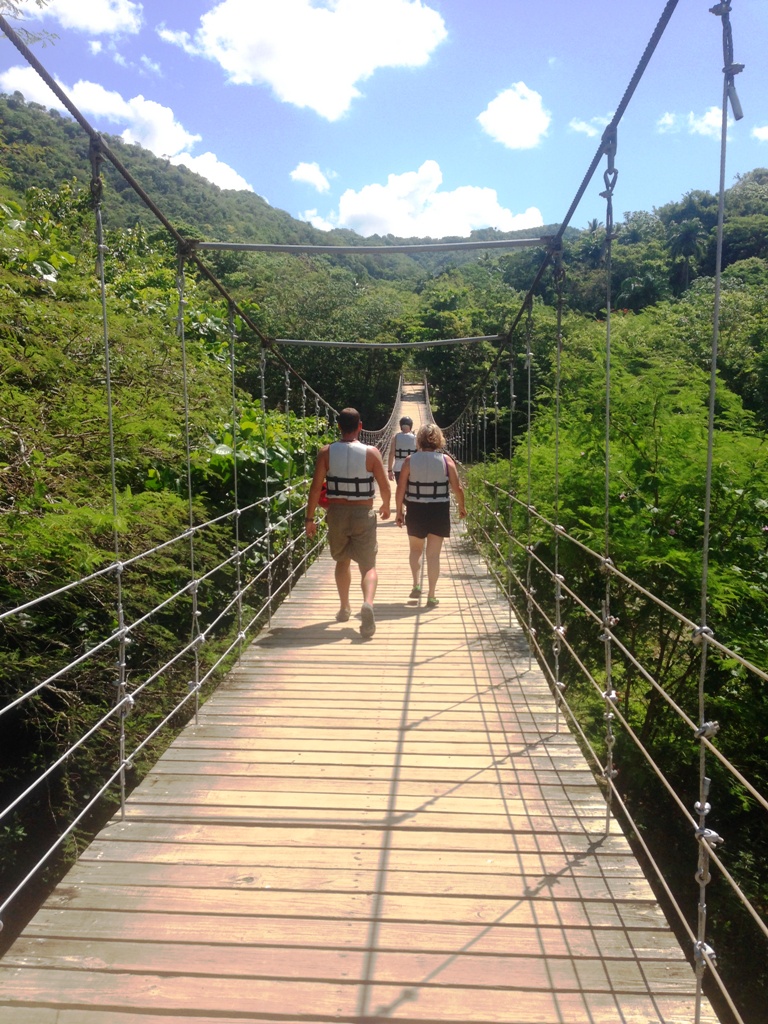
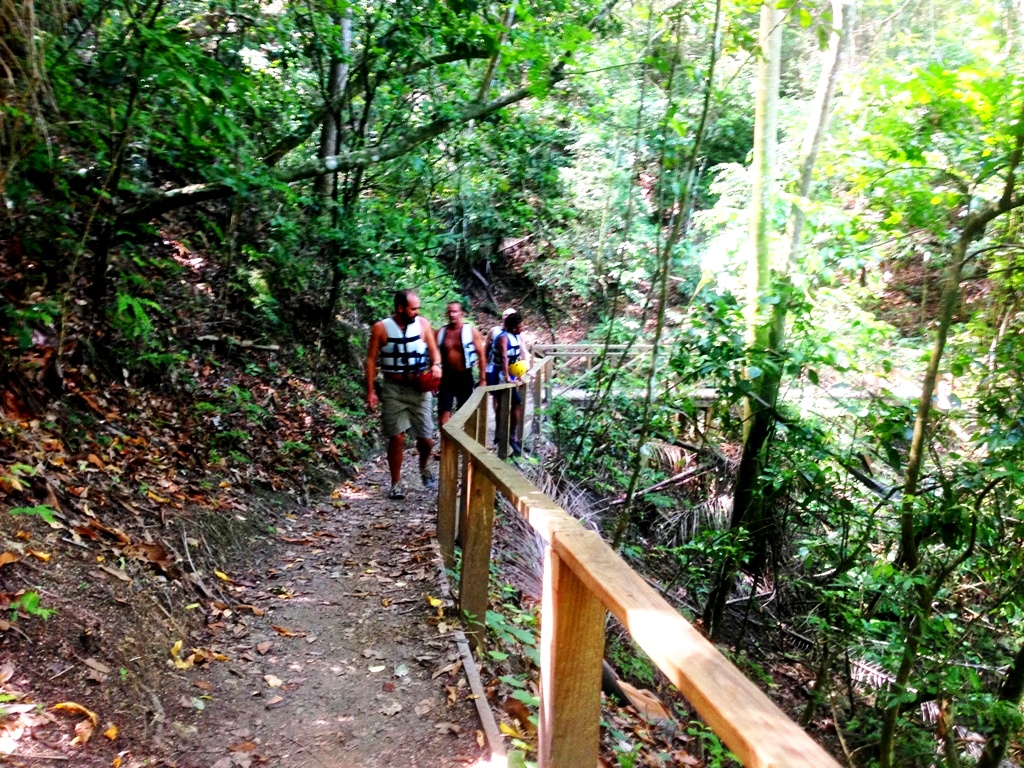
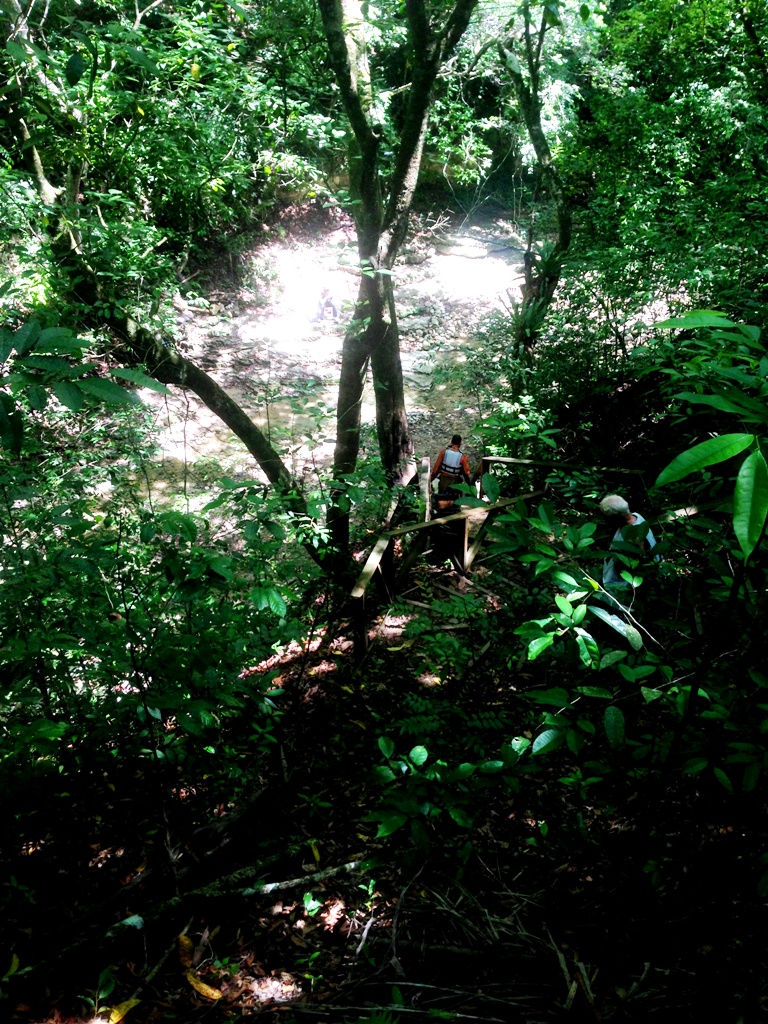
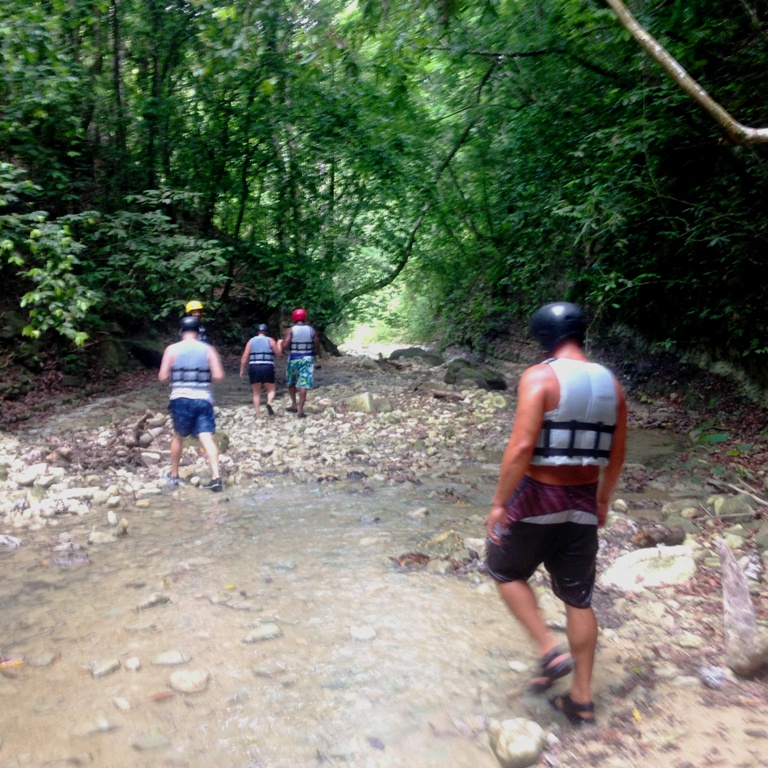
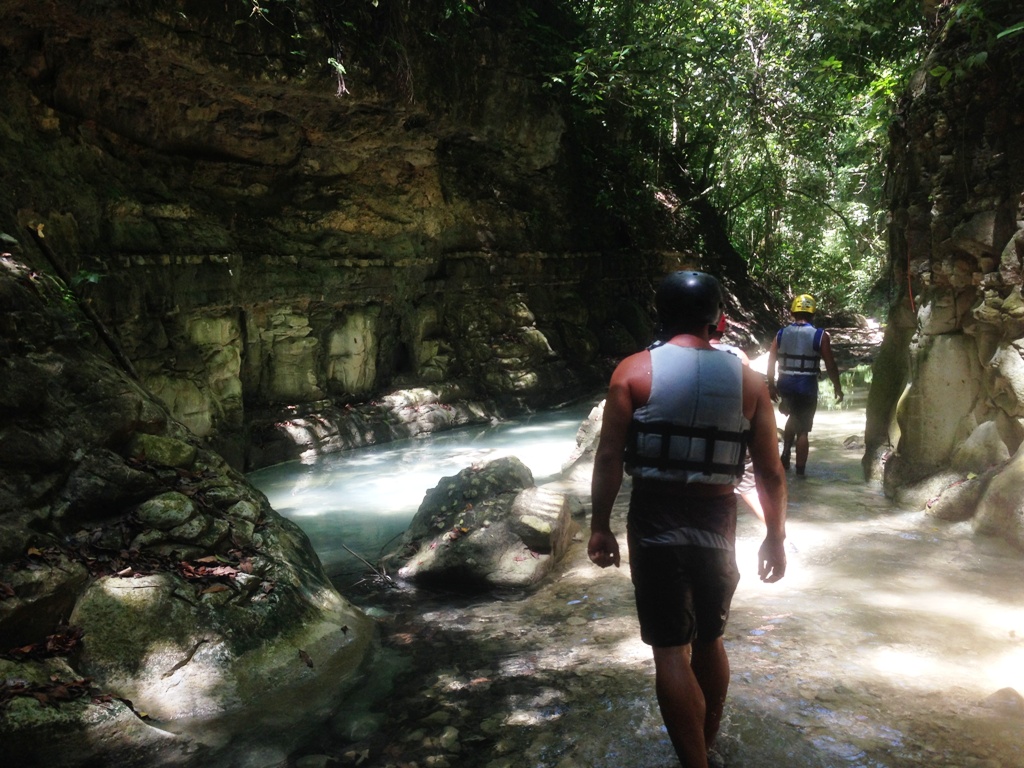
It would take at least an hour to hike up to all 27 waterfalls. We took our time getting to the first 12 and it took about 45 minutes of hiking up steep trails. It’s definitely not an easy hike and those terribly out of shape might be swearing up a storm half way through. On the other hand, its great exercise and it was a wonderful way to explore on land away from the boat. Young and old alike can handle it no problem as long as there are no physical injuries restraining your movement. The day involves lots of hiking, climbing, sliding, swimming and jumping. Mandatory helmets and life jackets are provided by the park before departure.

It would have been nice to know a few things about this adventure before we left the boat:

WHAT TO BRING

1. A waterproof camera

I brought my iPhone in an old waterproof case, but I had no idea we would be fully submerged underwater several times. The falls are like water park slides where you end up completely underwater at the end of the slide. About half way through the day, my case started to fail and leaked a bit of water in, fogging up the camera lens. This led to less-than-pretty pictures of only the first half of the trip. A fully submergeable camera is highly recommended. The scenery inside the park is absolutely magical and we wish we were prepared with better equipment. Check out some of the photos on Google Images while searching for Damajagua to see some better photography of this magical place.

2. Water shoes with good traction

I wore some cheap $5 water socks from Wal-Mart that had good traction on them. These worked great for climbing over the wet rocks. They weren’t the best for hiking up the trails but I’m used to going barefoot on the boat every day. Peter wore surfing booties with a little tread and those worked just as well. If I had them earlier, I would have worn my new KEEN sandals that are waterproof and have excellent hiking tread. Anything that will keep you from slipping on the wet limestone is recommended.

3. Swimsuit/dark shorts

Peter wore surf trunks and I wore a bathing suit with black shorts. The mandatory life jackets cover up your top so the women don’t need to worry about “spilling out”. Since the majority of the way down involves sliding over rocks, white or light-colored shorts or swimsuits are not advised. We didn’t get dirty but white clothes don’t go well with Mother Nature’s slip’n’slides :)

4. Cash for tips, lunch or drinks

Luckily we had extra cash with us. Papo didn’t tell us there was an additional fee for park entry, in addition to the fee we paid him to get us there. The park accepts cash only, no credit cards. There is a gift shop, bar and restaurant also. Papo’s travel package covered the ride up and back plus cost of lunch and several drinks. The food was buffet style and not very good, but nice after a long day climbing around.

WHAT NOT TO BRING

1. A backpack

We didn’t know that the only way down was to get completely soaking wet! The staff at the cashier suggested we leave our backpack behind the counter with them. It was totally safe, but had we known earlier we would not have brought it.

2. A towel

After the last waterfall there is still a bit of a hike back out of the mountains to the main park buildings. It’s hot outside and by the time we got back to where lunch was served, we were completely dry.

3. Sunscreen

Fashionably late as always, I didn’t have time to apply sunscreen before we left the boat. I put it in our backpack for later, but when we arrived at the park there was no time to waste. We were off and hiking within minutes. The entire day is actually spent under the rainforest canopy so unless you are extremely fair-skinned, sunscreen won’t help much.

4. Sunglasses

The hike up and back down is mostly shaded.  Peter and I like to wear sunglasses most everywhere we go and we did just fine the whole day leaving ours safely tucked into the backpack behind the cashier’s counter.

5. Anything that cannot be fully submerged in water

This goes for jewelry, watches, clothing, hats, phones or cameras. All three tours, whether it’s the 27, 12 or 7 waterfalls will have you completely soaked.

6. Flip flops

Flip flops will surely fly off after the first slide. They will most likely float and they won’t get too far, but it’s not a good option for footwear. Some of the pools are murky, especially after a lot of rain so if they happen to sink you might not find them.

7. A change of clothes

There are bathrooms to change in afterwards, but unless you plan on leaving your stuff in the vehicle you rode up in or behind the counter at the cashier, there’s no need to bring a change of clothes. Whatever you were wearing will be completely dry, and probably too hot, by the time you ride back to wherever you came from.

COST

Papo charged us around $30 USD per person for the round trip ride which includes drinks on the way up and lunch and drinks at the park.

Entry to the park varies based on how many waterfalls you want to see. The park cashier would gladly accept USD cash but at a higher entrance price. If you exchange your money ahead of time and walk in with Dominican pesos, you’ll get a better entrance rate.

1-7 waterfalls: around $7 USD

1-12 waterfalls:  around $8.50 USD

1-24 waterfalls:  around $12.50 USD

The entrance fee includes the mandatory life jacket, mandatory helmet and tour guide. We were happy to learn that a portion of every entrance fee goes to supporting the surrounding communities and preserving this natural monument.

IMG_7895 IMG_7896 IMG_7897 IMG_7898 IMG_7899 IMG_7900 IMG_7901 IMG_7902 IMG_7903 IMG_7904 IMG_7907 IMG_7908 IMG_7912

At the deepest pool of the 1-12 falls, Peter and our new friend Evan decided to jump off from 35′ above the pool. I’m not a fan of jumping off of anything so I opted for sliding down instead.

This was absolutely the most fun we’ve had on land since we moved aboard our boat. Many of the guide books say these are the best waterfalls in all of the northern Caribbean. If you ever get a chance to visit the Dominican Republic, we HIGHLY recommend visiting the waterfalls. For anyone that enjoys the outdoors, exploring and adventures, this was a very fun way to see one of the best things the DR has to offer. If we ever make it back there, we’ll surely go for all 27 waterfalls and do it again :)

IMG_7915 IMG_7916 IMG_7917 IMG_7918 IMG_7919 IMG_7920 IMG_7921 IMG_7922 IMG_7923 IMG_7924 IMG_7926 IMG_7928 IMG_7931 IMG_7932 IMG_7933 IMG_7934 IMG_7936 IMG_7937 IMG_7938 IMG_7943

Have  you been to the waterfalls in the DR? Leave a comment and tell us about your experience!!


Welcome To Luperón, Dominican Republic

DSC_0385

We said farewell to Punta Rocia/Ensenada around 9pm on the 25th of April. Garmin guided us back out to our course due east in the dark of the night. By then, we were so used to night passages and navigating by our instruments alone that this felt pretty routine. With plenty of time to arrive in Luperón by 8am, we passed by Cabo Isabela and motored around to the next waypoint listed in Van Sant’s guide. From this point forward in our travels along the DR coast, his book became our bible feeding us with local knowledge that proved to be priceless. We took turns reading and rereading the dog-eared pages, underlining and highlighting the parts that coincided with our course.

Who else remembers “making a range with the cliff face and a tree on the ridge in the background”? This was the fool-proof method described in the guide for avoiding the fishing floats and shoals upon entering the harbor. We had no trouble at all and the scenery coming in was stunning. We were still in awe of the beauty of the DR coast after seeing such flat and desert-like land on the islands of the Bahamas.

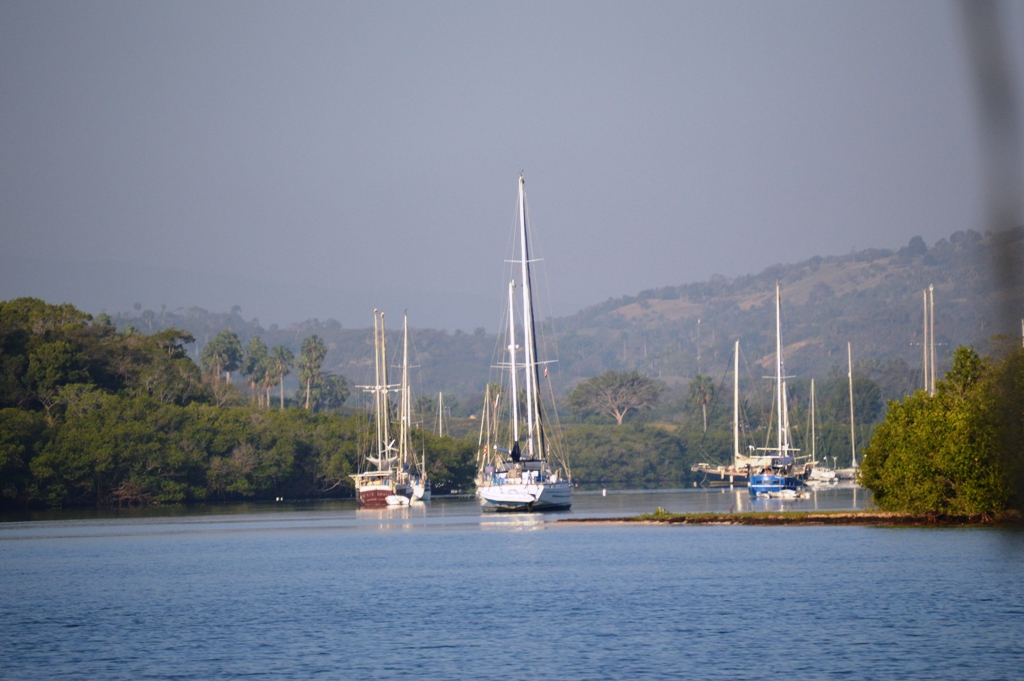
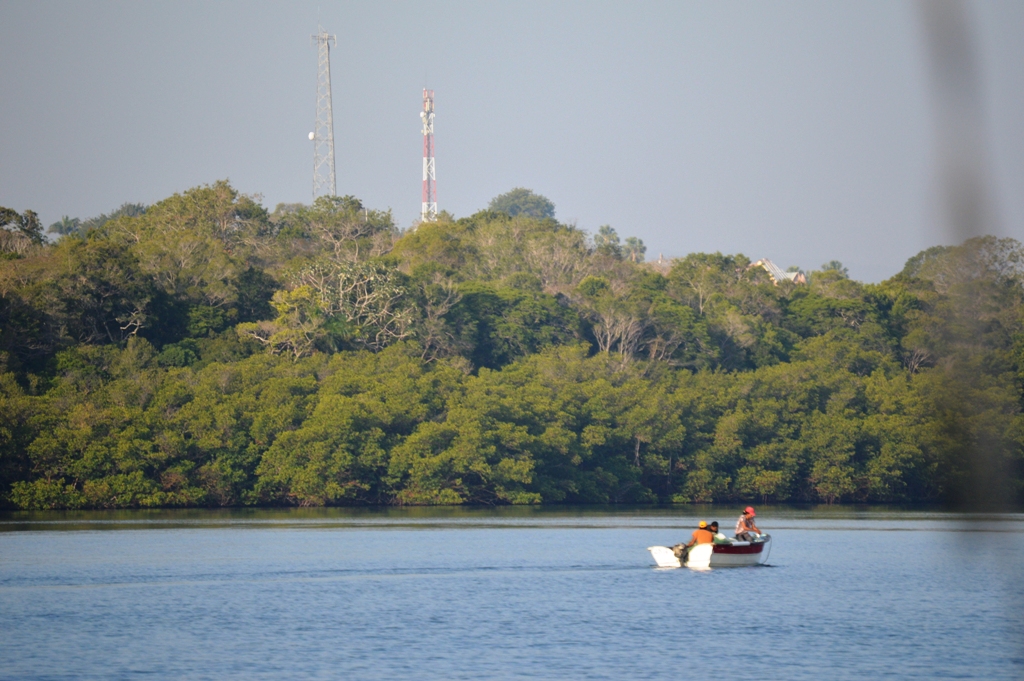
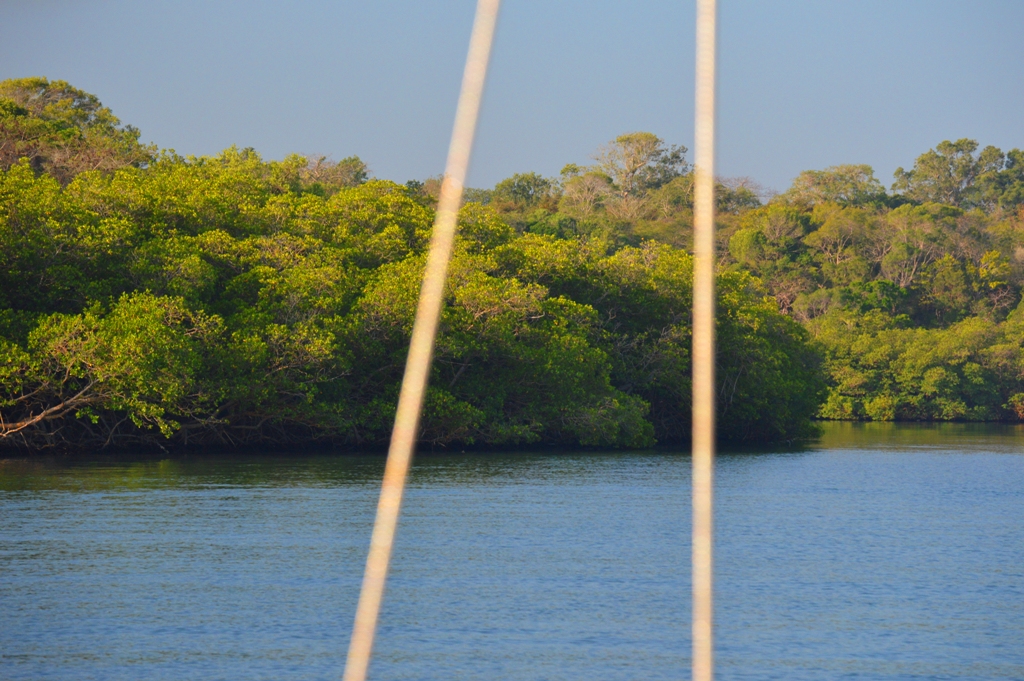
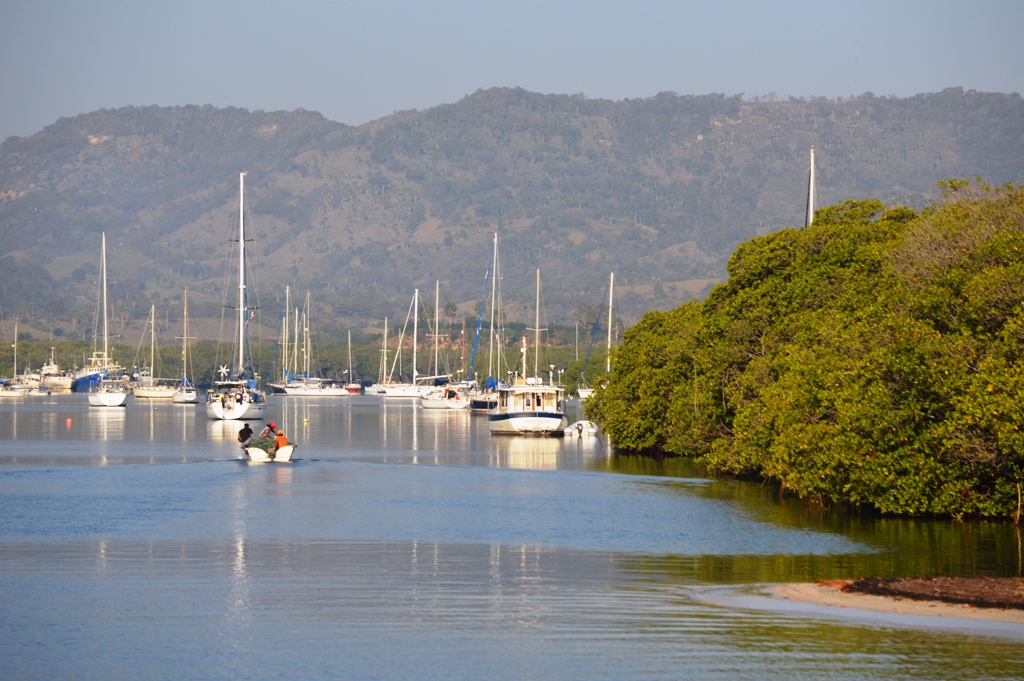
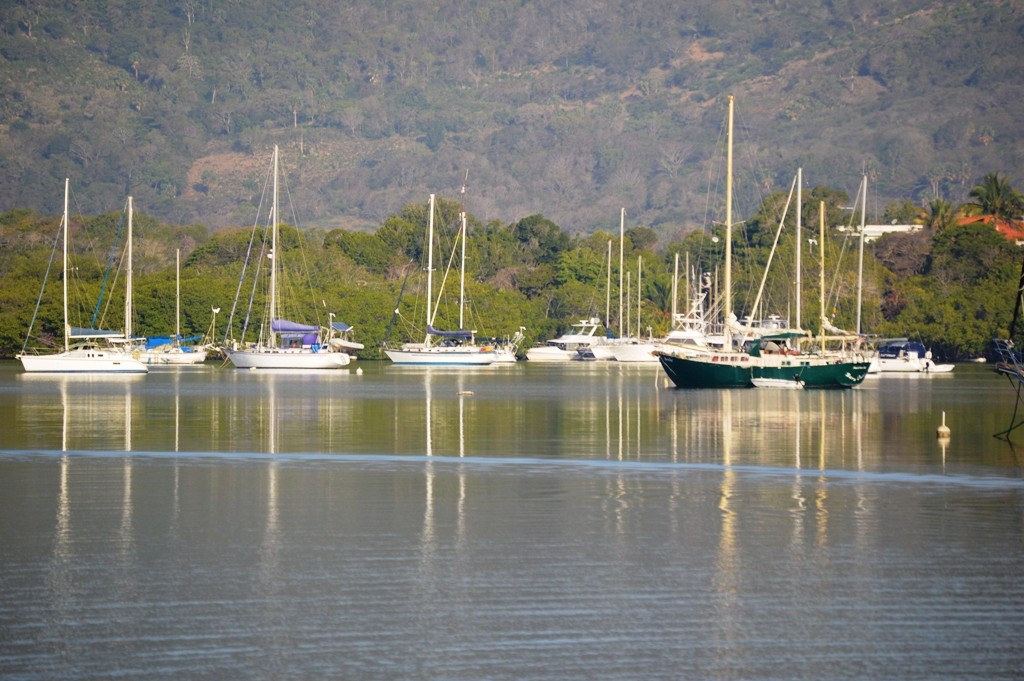
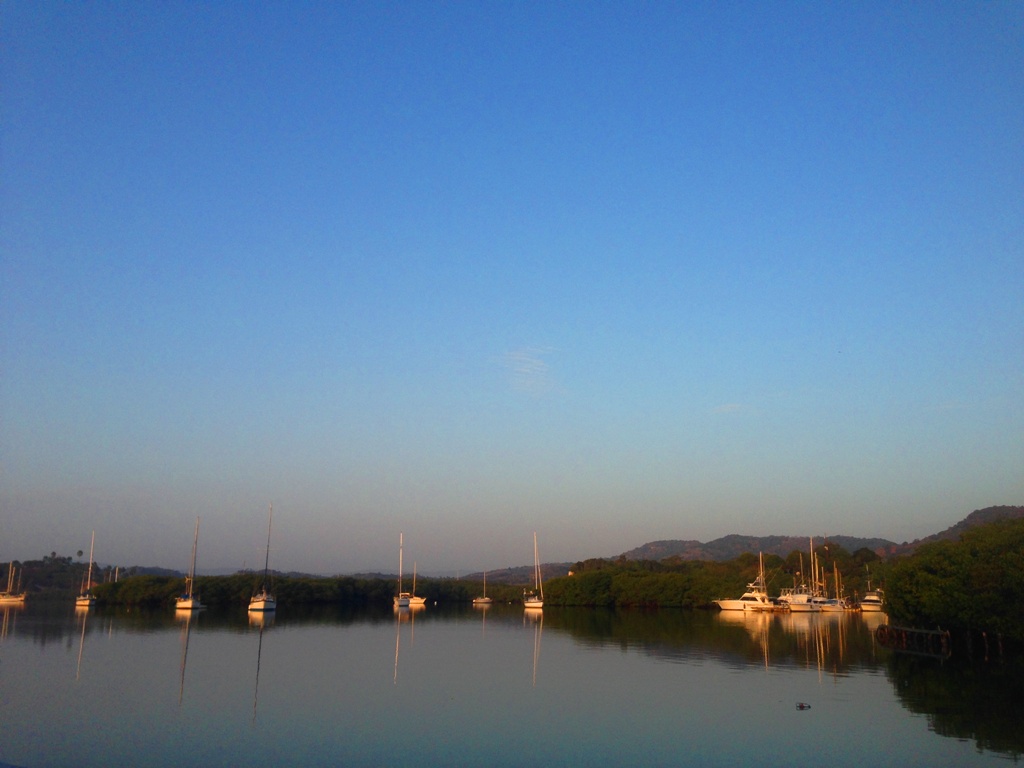
In the early hours of the morning the only movement in the harbor was from local fishermen. Most of the mooring balls were occupied and carefully placed around the various mud shoals. The charts showed them well, corresponding to the empty spots where no boats laid to rest. We anchored toward the back against the mangroves in a nice place that would allow us to swing without bumping anything or anyone.

DSC_0399 DSC_0407 DSC_0408 DSC_0412 DSC_0413 DSC_0418 DSC_0419 DSC_0420 DSC_0421

Peter and I lowered the dinghy off the bow with the halyard and used our pulley to move the outboard motor from the stern to the dinghy. Each time, the process gets a little easier, a little faster and we get a little stronger. The gas can was hooked up and Peter was off to the Comandancia. We had heard they may come out to visit us, but after listening in on the VHF, that was not the case.

After tying up at the dinghy dock, Peter made his way down a small road from the harbor’s edge into town. There is a vehicle gate guarded by men sitting in the shade. Adjacent are three small structures, one each for the Ports Authority, Immigration and Agriculture. The Navy has a separate facility across a bridge and up the hill to the left. As for the dogs, they just wanted to know that we had a health certificate and rabies certificate. No extra fees or restrictions with pets. The Customs and Immigration fees were around $90-something total, cash only. The Navy then sent three men to follow him back out to the boat. They wanted to take a look around to make sure we weren’t smuggling in any people from Haiti, then they asked for a tip. It was not mandatory, but it was worth $20 to us to give the men a little cash if it meant they weren’t going to tear our boat apart on a “routine” search. We were still tired from our recent passages and didn’t feel like having every locker emptied as if we had just broached the boat.

Within a few minutes the men sped off in their little boat. They had asked a local man, Rafael, to take them in his boat since they didn’t have one of their own. Little did we know, we would soon need Rafael’s help later that day.

IMG_7782 IMG_7783 IMG_7784

A few minutes later we went to town together to explore and grab some lunch. Up the road we saw the popular spots – JR’s and Wendy’s. Both have good food and free wifi. While enjoying a bite to eat at JR’s, Peter heard someone hailing our boat on the radio… “Mary Christine, Mary Christine…”

The winds had picked up and clocked around and our boat was dragging!! We thought for sure the anchor was set well to the direction the of the Trades, and the thick mangrove mud had it’s hold on us. Wrong. Peter left me at the restaurant and RAN back to the dinghy as fast as he could go (in flip-flops of course). Rafael had heard what was going on from his handheld VHF and raced over to meet Peter at the dinghy dock to see if he could help. Together they blasted over to the boat. Peter made record time from the restaurant to the boat in 3 minutes flat!!

A neighbor witnessed the whole thing and that’s who hailed us on the radio. They jumped on board our boat and threw out our second anchor in hopes of catching, but we had already hit one of the mud shoals. The boat had drug across half the mooring field, miraculously passing every boat without bumping anyone at all. We knew who was watching out for SV Mary Christine that afternoon…

Usually, Peter always dives our anchor to make sure it’s in good. The water in Luperón is filthy with zero visibility so diving the anchor wasn’t an option here. Our primary anchor is a Delta or plough-style anchor, which turns out does not hold well in the soft DR mud. Had we used the Danforth, we probably would have been fine. Most of the other boats in the harbor were on mooring balls with only a few others at anchor and we just assumed they were all there for long-term. We now know that for only $3 per night, a mooring ball in Luperón is very good insurance.

Peter called me on the radio back at JR’s to let me know Rafael would pick me up on his motorbike and bring me back to the boat. Luckily I had stashed a little cash in my bikini top. I paid the bill and finished my lunch just as Rafael pulled up. I hopped on the back of his motorbike and we rode back to his old fishing boat. He had such a kind smile and his generosity was heartwarming.

As the tide rose, Peter tied a stern line to an adjacent mooring ball and Rafael helped us winch over to it. With each surfacing of the buoy, he heaved the line in a little tighter. Slowly, the boat slid inch by inch off the mud shoal into deeper water. We used Rafael’s boat to carry a bowline over to our newly adopted mooring ball before releasing the stern line. We had brought in both anchors already and finished tying up to the ball properly. It was a close call and an unsettling way to experience our first four hours in Luperón. Rafael wouldn’t accept any money for his help so we offered him several huge filets of fresh caught Mahi Mahi instead. He was so appreciative and excited to bring it back to his family. The people of the Dominican Republic are very kind and just as friendly as we had been told.

IMG_7788 IMG_7790 IMG_7791 IMG_7792 IMG_7793 IMG_7794

Papo runs an excellent service catering to cruisers in the harbor. Pedro answers on the VHF for him and was also very kind and helpful. They own the mooring balls and come around to collect $3 per night. They have wonderful local knowledge, courtesy flags, water and fuel. Papo will bring diesel out to the boat for $5.75/gallon and pump it directly into your tanks. The diesel we got was good and actually much cleaner than the fuel we got in the Bahamas. Papo and Pedro are honest and hardworking. Another wonderful example of the kind and welcoming people of the DR.

IMG_7799

The next day we went back into town to explore and visit a local pharmacy. We had heard medicine is cheap there and we needed a few courses of antibiotics on board to keep in our Med Kit. There were several pharmacies in town and Peter managed to speak enough Spanish to get what we needed. It helps to know the Spanish equivalent for what you need ahead of time ;)

On the way back, we ran in to Rafael again. We had mentioned to him earlier that we needed a mechanic to fix a leak in the oil pan for our generator. The previous owner knew there was a leak but hadn’t found exactly where it was coming from. After some rough seas on our passage from the Bahamas, we were tossed around so much that ALL of the oil in the generator leaked out into the bilge. It was a nasty cleanup job… let me tell you. Determined to find the leak, I wriggled my way into the engine room, contorted into some crazy yoga pretzel, and upside-down with a flashlight I told Peter I was sure that the leak was coming from the center of the oil pan where a wood block had been placed.

Rafael sent his mechanic friend Marino out to the boat the next day. He unbolted the Westerbeke, tipped it on its side and removed the oil pan. He took it into town and had a brand new piece welded onto the entire bottom of the pan. Marino and Rafael came back out the next day in Rafael’s boat and braved the hot and sweaty engine room to finish fixing the generator. $300 later, we had a fully functional 5kw generator running beautifully!! Although we don’t run it all the time, it’s nice to have if our batteries get too low.

DSC_0004
Rafael (left) and Marino (right) after a hard day’s work putting our generator back together

DSC_0001

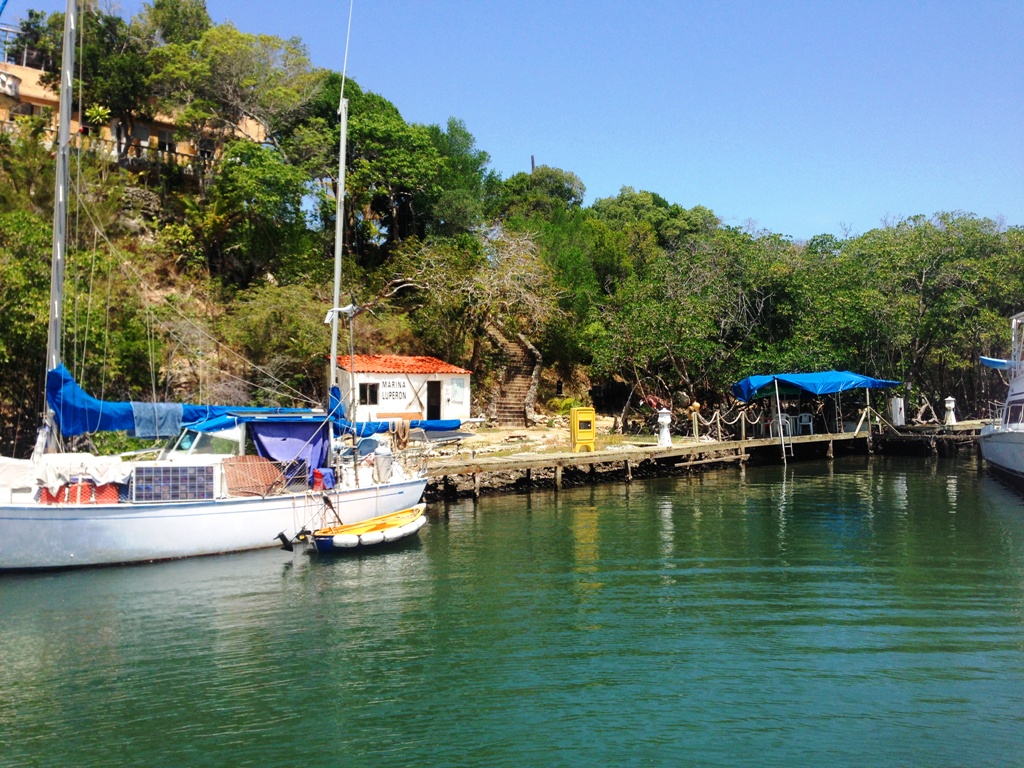
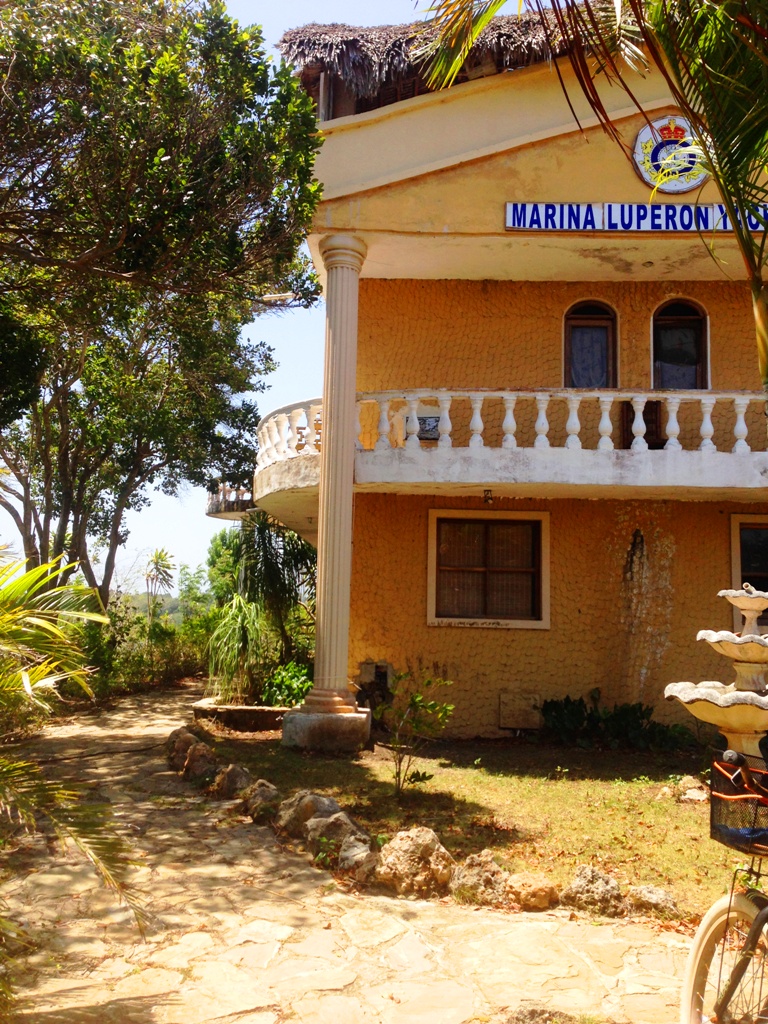
After a few days on a ball, we checked out the two marinas in the harbor. Puerto Blanco Marina does not answer on the radio and wasn’t exactly open to receiving new boats. It’s really just a dock with a bunch of old boats tied up to it. Marina Luperón looked a little more inviting and had a spot open at the end of the rickety dock. In all its glory, Marina Luperón used to be a pretty happening place. There was a restaurant and bar overlooking the whole bay but it was shut down a few years ago. The government  imposed development restrictions and took out all of the existing docks. Over the last two years, Jimmy (the current manager) has slowly rebuilt a few docks and installed power and water. He charges $10 per day and that includes unlimited water, power and internet. For an extra $7 per day, that’s a way better deal than staying on a ball! A definite plus since the water is too dirty to use the watermaker.

Water is trucked in from a well to the cistern at the marina whenever it’s available. Apparently the water company is owned by a local farmer who often hoards the water for her cattle. She cuts off the entire town water supply over bad politics when the local government gets too far behind on their bill. We even witnessed a riot during our stay where the townspeople throw bottles and light tires on fire in the streets out of frustration for their water and power outages. When power is on in town, there is power on the docks at the marina which powers the wifi router too. Jimmy also keeps cold beer and sodas in the marina fridge. It’s the honor system here so you write your name on the board and settle up later.

IMG_7804 IMG_7807 IMG_7808

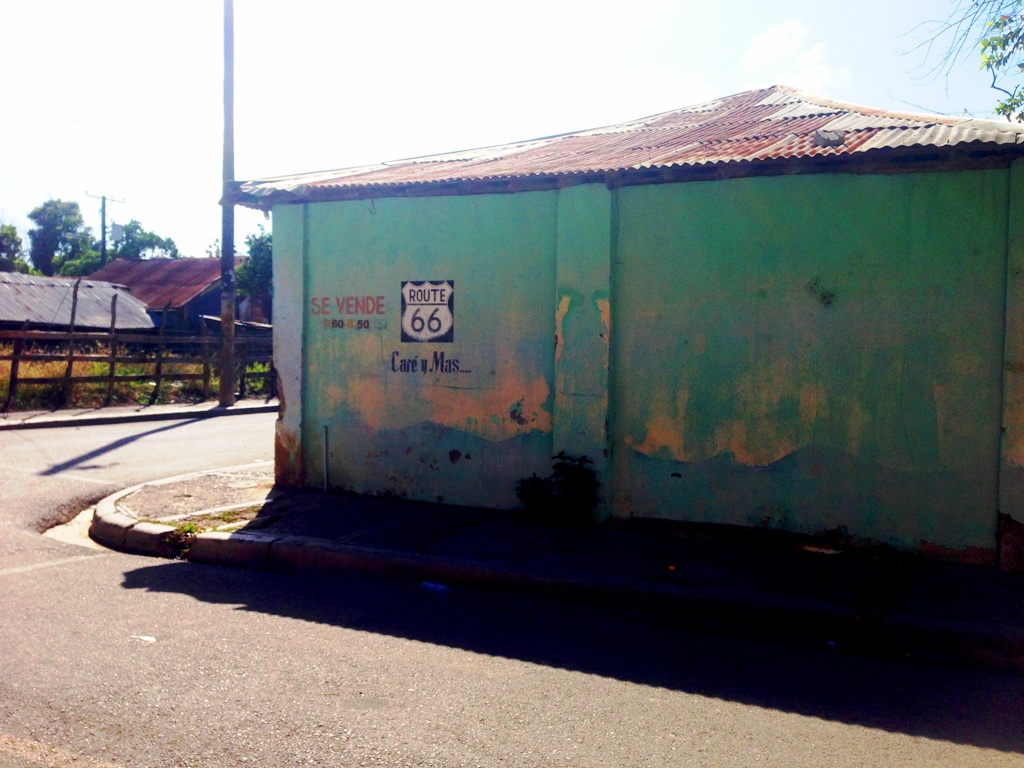
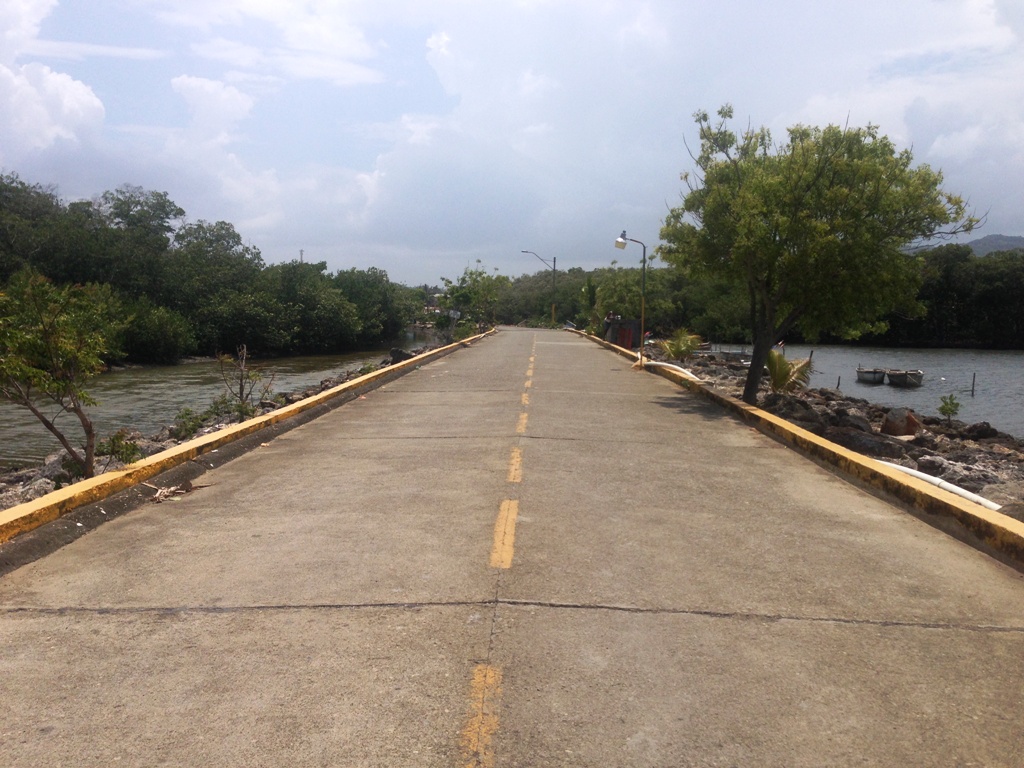
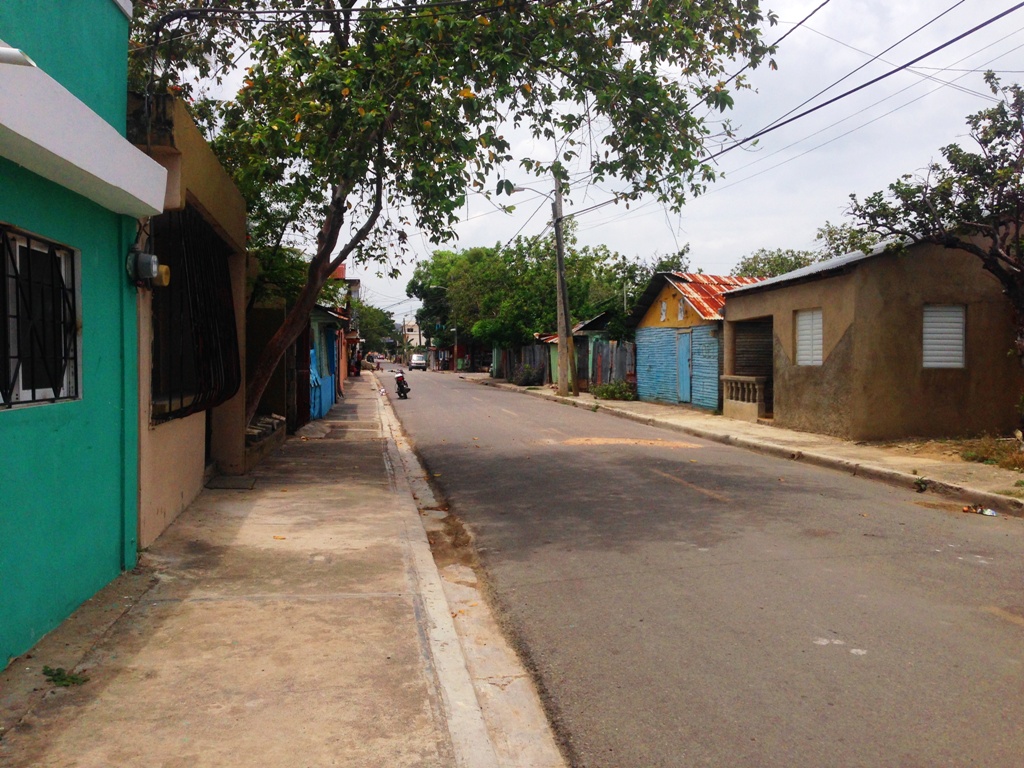
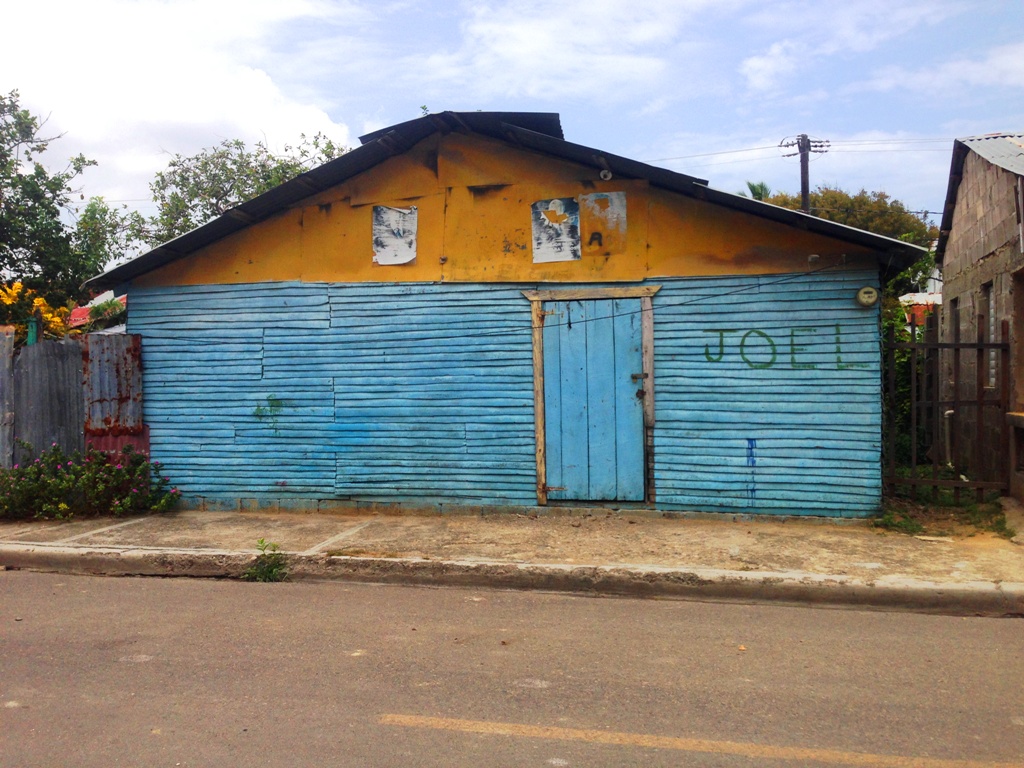
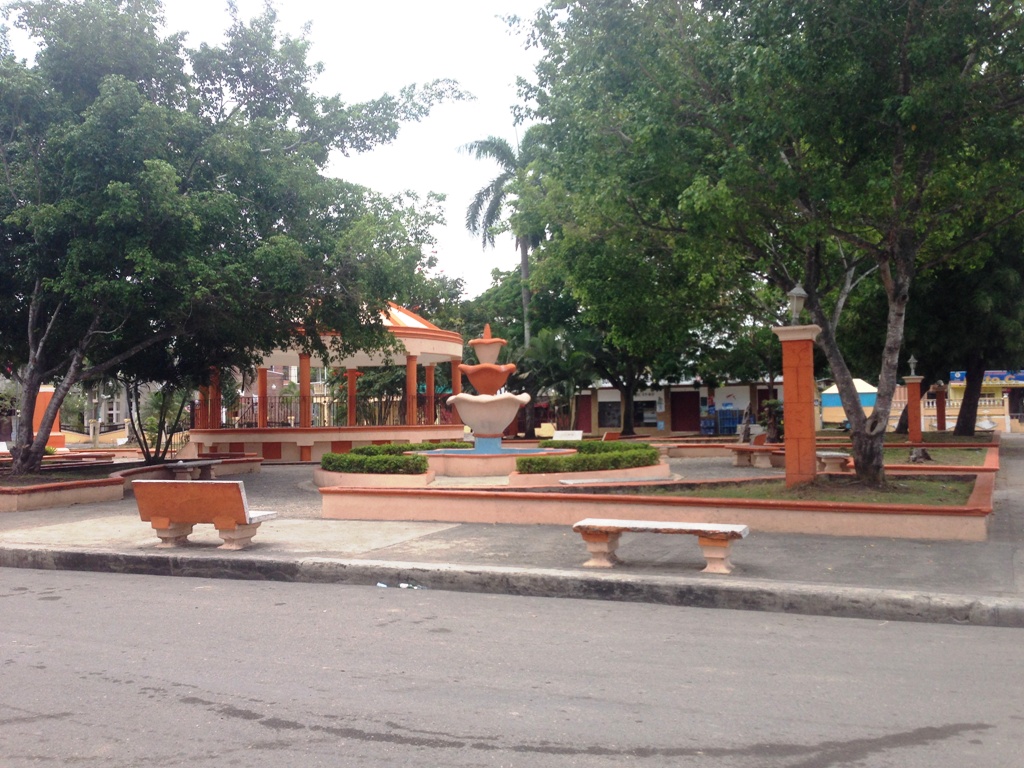
The streets of Luperón are dirty, the infrastructure is minimal and the standard of living is far from what we were used to in the U.S. On the other hand, everything is inexpensive and the town is full of some of the kindest people you’ll ever meet. Some absolutely love it here, so much they never leave. It’s a fantastic hurricane hole with all around protection and plenty of mangroves to tie off to. There may not be many anchorages that are both clean and protected but we wish we had more time to see everything the Dominican Republic has to offer. There’s something intriguing about the simplicity of life here in the DR and it’s worth experiencing first hand.

IMG_7821 IMG_7824

Next up… pictures from our visit to the Waterfalls!!

NEWLY SALTED: Where The Coconuts Grow at 4 Months

NEWLY SALTED is a semi-regular publication of interviews with people who began cruising in the last few years or who have completed a cruise of under 2 years. We are excited to share a little bit about our experience after our first four months at sea and just over 2000 nautical miles under our belts. Newly Salted is a companion site to Interview With A Cruiser which features interviews of those that have been out cruising for more than two years. Someday we will be able to share what we have learned on that site as well :)
DSC_0837

Who Are We?

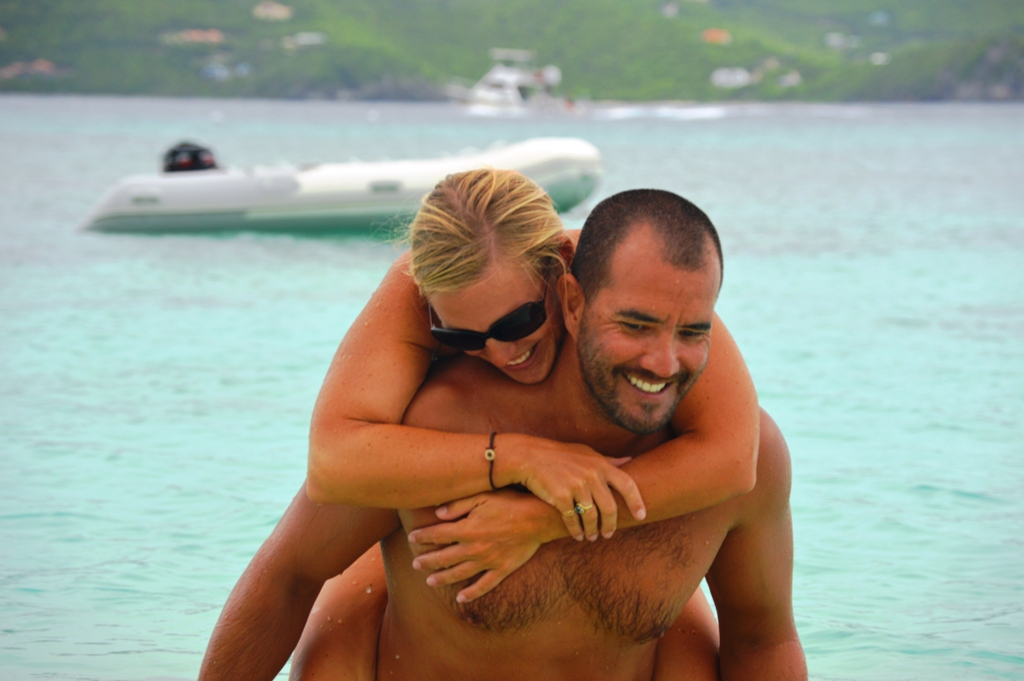
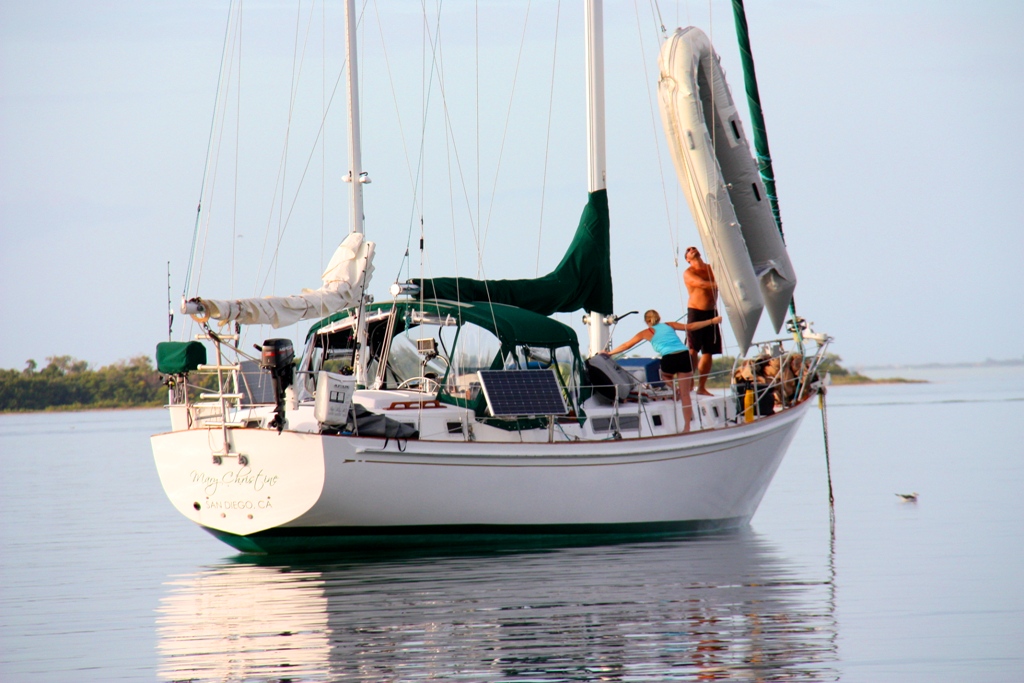
Peter and Jody are a young couple from San Diego, California who drove across the country with their two dogs, Betsy and Gunner, to move aboard their 42′ sailboat in October 2013. They sailed away from safe harbor on the west coast of Florida in February to begin a journey of a lifetime in honor of Peter’s mother who passed away from breast cancer in 2012. Named after her, the S/V Mary Christine is carrying them in search of surf, sun, sand and serenity Where The Coconuts Grow. You can read more at www.wherethecoconutsgrow.com and follow the adventures on Facebook, Instagram and Pinterest.
10006230_612644978822143_173186978_n

QUESTIONS AND COCONUTS

What is it like to go on a permanent vacation?

We lead a pretty amazing life. The places we see and the things we do are what most people only experience on vacation. While we have a tremendous amount of gratitude for being able to experience the cruising life, it’s not all palm trees and pina coladas…

Owning a boat is a lot of work. It’s hard to really understand just how much work it is until you experience it first hand. We wear many hats including mechanics, plumbers, electricians, navigators, fishermen, riggers, weather forecasters, chefs, doctors and nurses. For us, living in our tiny house on the water is significantly more work than living in a house on land. The spaces are hard to reach and fit into. Parts break ALL THE TIME. New or old, all boats break down and need constant maintenance. There are so many systems packed into a tiny area and they all work intricately together. It takes a significant amount of time, know-how, and patience.

While on the hook or at sea, the boat is constantly moving, requiring the use of all of our core muscles for balance and expending tons of energy. When everything is in motion and also hard to access, it takes three times as long to complete the simplest task. Even making the bed will break a sweat! Tremendous love for the person your with makes the blood, sweat and tears a little more bearable.

Life at sea is a true test of strength, both mentally and physically. It’s not for everyone but we absolutely love it :)
IMG_4734

Do we get seasick?

We were shopping for boats and invited out for a cruise with one of the yacht brokers that also ran a timeshare business for sailboats. It had been awhile since Peter had used his sealegs and he was nauseous the entire day on the water. This could have been the end of our sailing dreams before we even got started. Luckily, he knew from previous experience that once he gets used to being on a boat again he would have no problem. His years of skippering fishing boats reminded him of that.

Then, as soon as we got back on land after our sea trial during the purchase of our boat, Peter got sick on land as soon as the rocking stopped. Again, deal breaker? I don’t think so! He’s a rockstar and kept the faith that it would eventually get better. Neither one of us has gotten sick since then. We’ve both felt a bit nauseous during some rough passages but only when we are in rough weather for 24 hours or more. To play it safe, we now both take seasickness medication in uncomfortable seas.

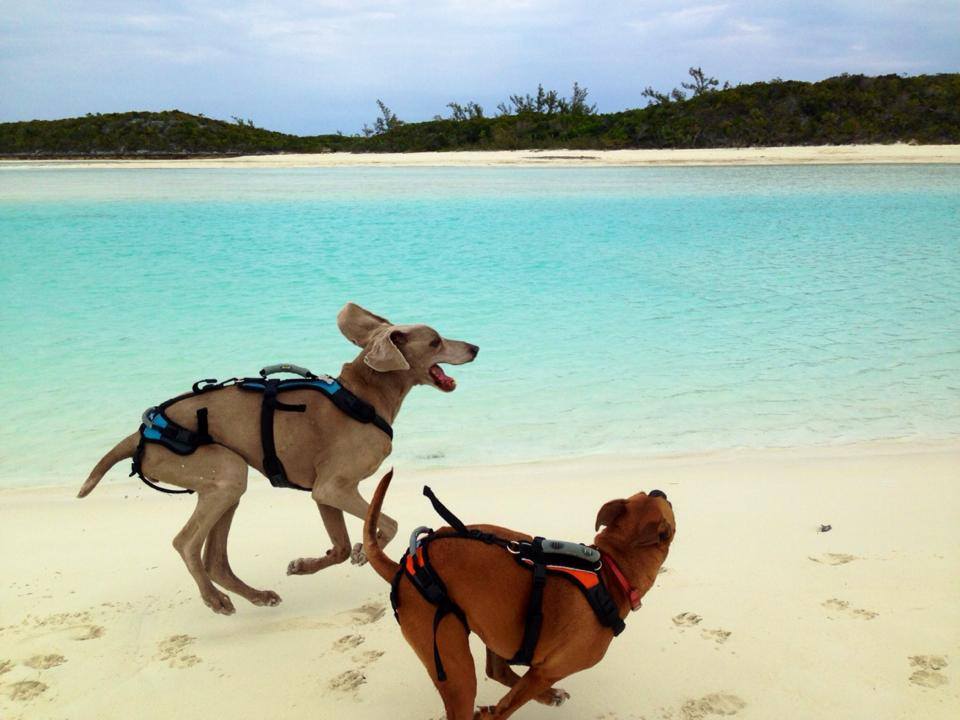
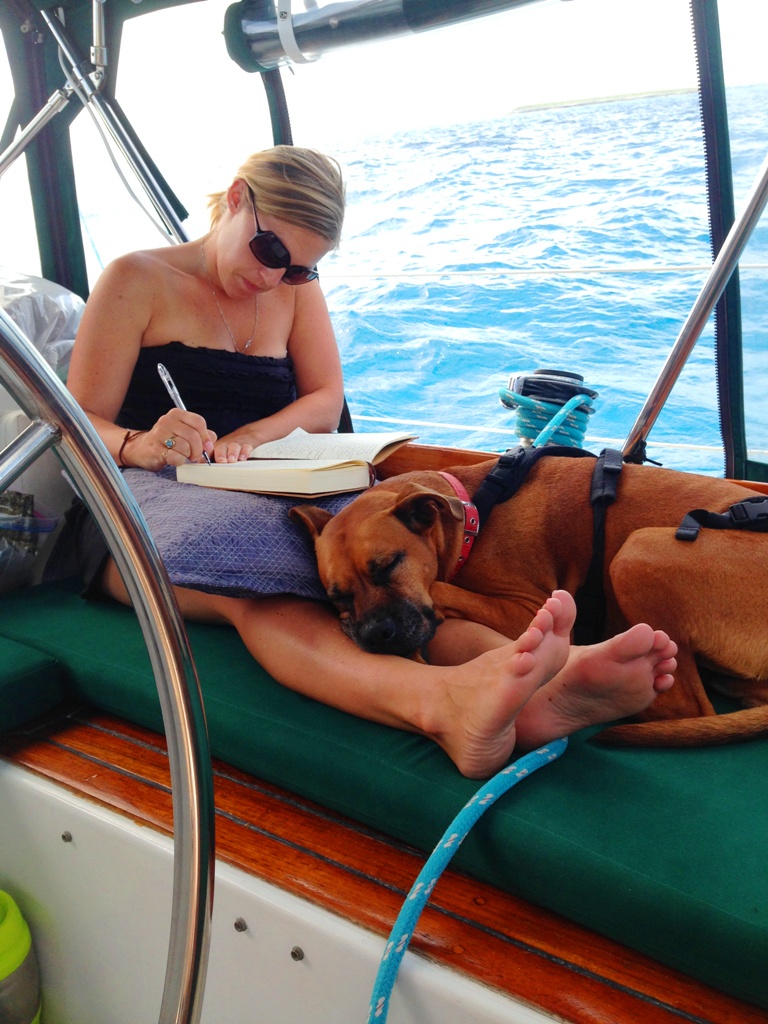
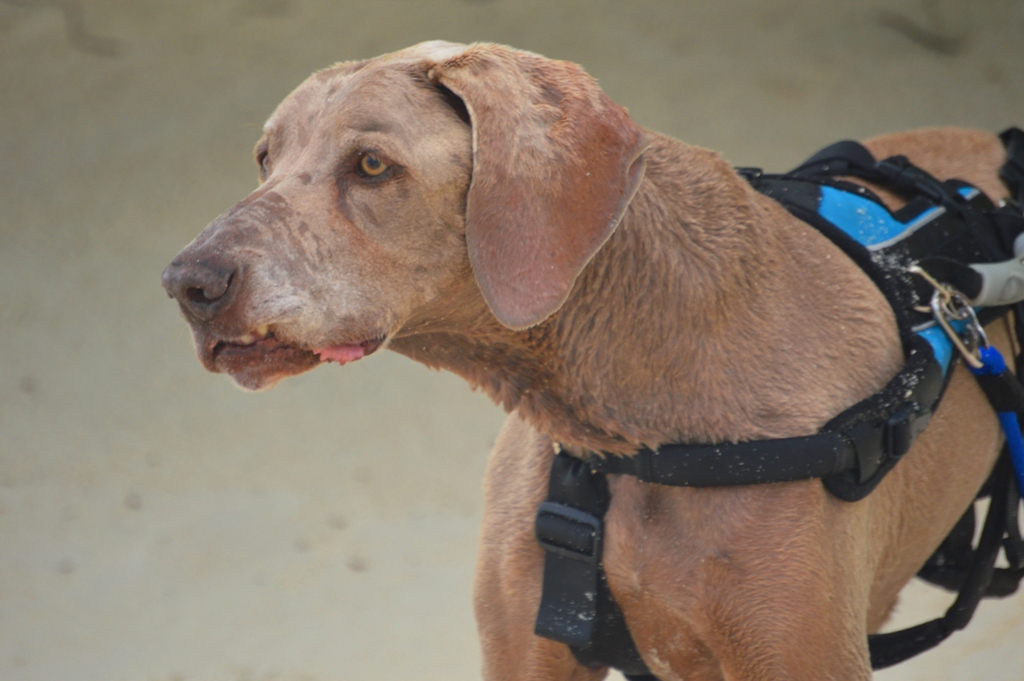
The dogs do quite well underway. Neither of them have gotten sick from the rocking of the boat. Gunner has puked once, but only after eating a couple mouthfuls of sand. Silly dog. When we’re sailing, Betsy finds a comfy spot in the cockpit and goes to sleep. She most likely doesn’t feel good, but she never gets dehydrated and always visits the Buddy Bowl in the cockpit for some water. Gunner tends to get a little restless but not anymore than he normally does. His old bones prevent him from staying in any one place for too long, unless of course its on our bed with our pillows!! He moves around and then we put him back in a safe spot. It brings a few extra challenges and gives us a whole new appreciation for those that sail with small children.
passage

What about pirates?

In the past four months our travels have taken us from Florida through the Bahamas, Dominican Republic, Puerto Rico, Spanish Virgins, US Virgin Islands and the British Virgin Islands. These areas are well traveled by fellow cruisers and the local people in these areas have been very friendly. From the DR and south there are a few areas where we definitely felt safer locking up the dinghy but that’s about as much danger as we’ve been in.

Real pirates exist and we’ll need to stay away from the coast of Venezuela, but other than that we don’t plan on cruising in Africa or other places known for piracy. As we travel south through the Caribbean we will be extra diligent about safety. Some of the islands we’ll be passing by have higher crime than others so it’s important to stay in contact with other cruisers to get current local knowledge.

With two large dogs on board we are definitely at an advantage. Most locals we’ve encountered are afraid of them and often don’t come too close. Whenever we can, we leave the dogs in the cockpit. At anchor, Gunner LOVES to do his patrols up on the bow. He barks at anything that moves, letting them know he’s on duty. Betsy on the other hand, will only bark when another boat is unusually close. If we hear Gunner, we know that another boat, dinghy or animal is somewhere within viewing range. If we hear Betsy bark, we know someone is approaching OUR boat and we need to check it out. We’ve seen them in action when we’re coming back to the boat and until they know its us, they bark quite ferociously. Good dogs :)

In any event, we are far safer traveling around on a sailboat than we are driving down the freeway in California.
DSC_0588

How do we get internet?

The availability of internet varies all around the world. In the Bahamas, free wifi was available in some locations but we found it more convenient to purchase a local BTC sim card and prepaid data plan for our internet usage. One of our iPhones was unlocked so we were able to use a sim card from another carrier with no problem. This allowed us to boost the signal to our other devices by means of tethering.

In the DR we only used free wifi signals on the laptop with the help of our ALFA long range wifi booster. Our friends Jan and David at commutercruiser.com gave us their old one before we left Florida and it works like a charm.

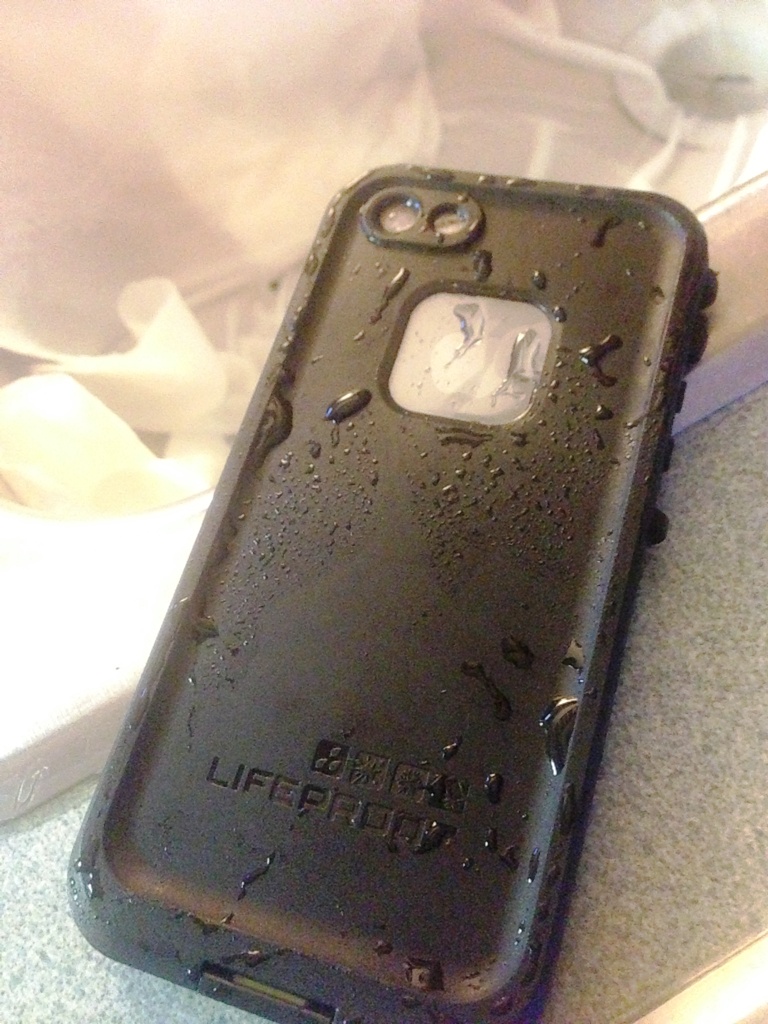
Puerto Rico and the USVI have great signal for AT&T so we temporarily reactivated Peter’s phone and data plan. Unfortunately, the case failed and leaked water inside damaging the phone. We were still able to use that sim card with the other phone and we’ve been sharing ever since. The BVI’s are close enough to USVI cell signal and work in most places. Very soon we’ll be suspending the service again before heading south through the rest of the Caribbean. Once we do that, we’ll be back to only free wifi signals with the laptop and booster, and maybe an occasional wifi connection in a café somewhere.

It’s nice being unplugged from the rest of the world when we don’t have internet connection. On the other hand it is such an amazing tool to keep in touch with family and friends and of course for updating the blog!
lp

What do we eat?

We live on a boat traveling through tropical islands. Going to a grocery store when we need more food isn’t always an option. Now, we do what is called “provisioning” where we stock up like crazy on as much food and supplies as we can as cheaply as possible. We filled two carts at Costco before leaving Florida for staple items like rice, beans, canned food, baking supplies, spices and snacks. Shopping for food is also a great time to stock up on items like toilet paper, shampoo, soap and other toiletries.

Fresh fruits and vegetables are surprisingly hard to come by in the Bahamas. The DR and Virgin Islands have been more plentiful and we’ve enjoyed eating healthier fresh foods whenever we can find them. They don’t last long in the heat so we are looking for fresh foods on shore often. When we do find fresh foods, our evaporator unit refrigeration system comes in very handy. We added a freezer unit to the boat which is the exact same unit as the refrigerator, just turned up to the coldest setting. As with most boat refrigerators, they require a bit of acrobatics to reach anything inside.

Our boat is a Whitby, designed by Ted Brewer, and has a ridiculous amount of storage. In fact, the second Costco run we made was in Puerto Rico and we tripled the amount of food we bought the first time after seeing how much space was still left in all the lockers and cubbies. It was truly amazing we were able to make it all disappear. A place for everything and everything in its place!

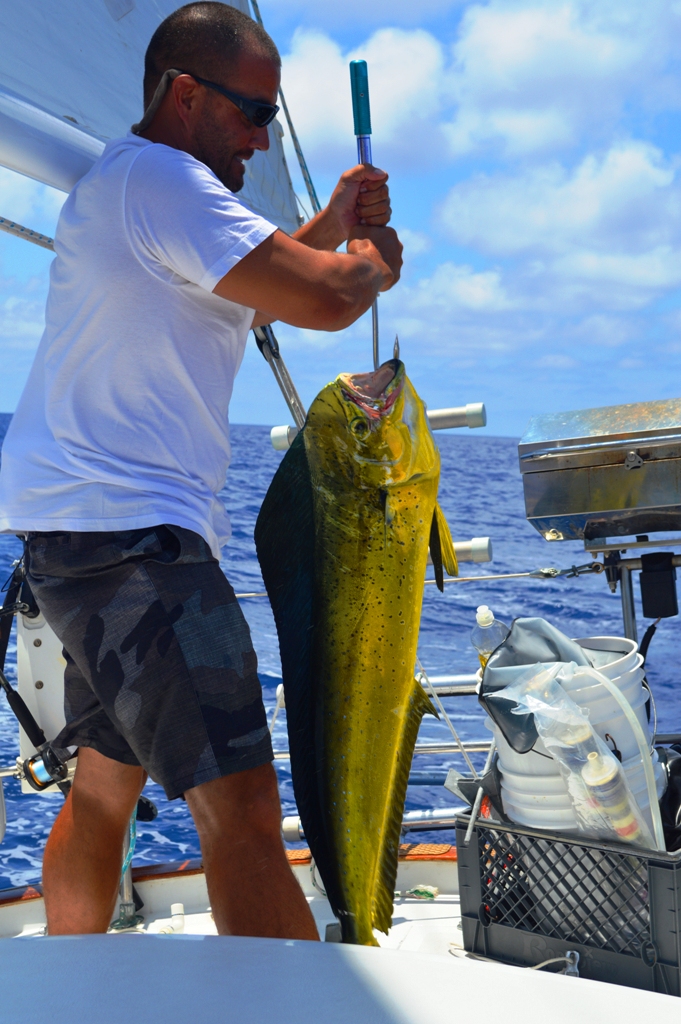
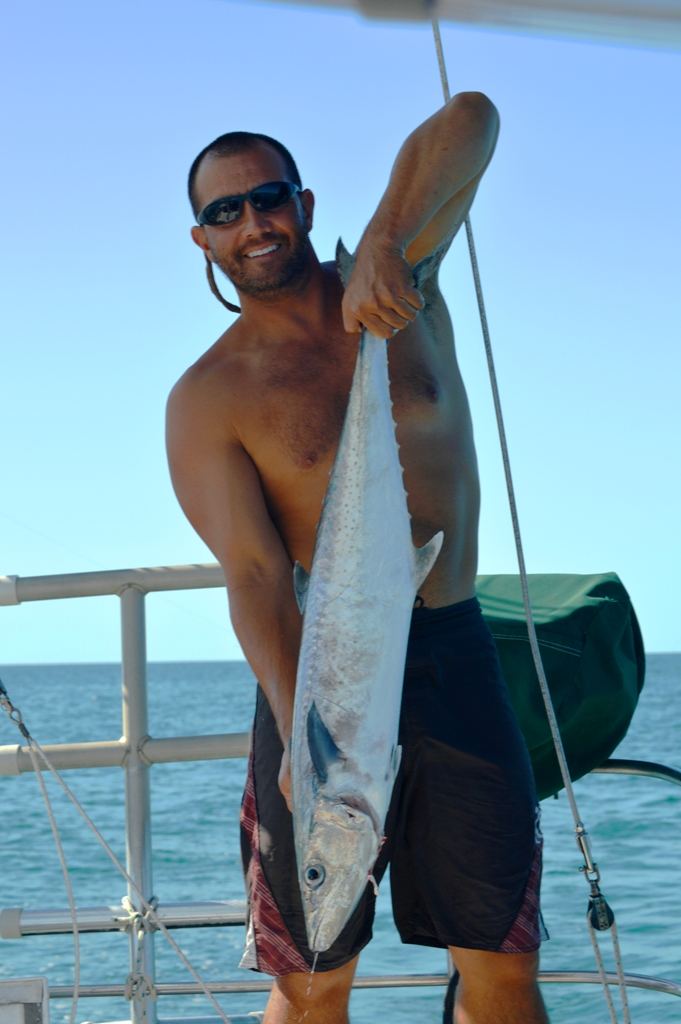
The primary source of food for both us and the dogs is fresh fish. Peter is an excellent fisherman and we are always catching fish. After landing a yellowfin, we cut up fresh sashimi on the deck as Peter cleans the fish. The dogs get all the red meat scraps while we package up the harvest for storage in the fridge or the freezer. We also enjoy spearfishing and diving for lobster when the local regulations allow. The amount of seafood we eat living on this boat is some of the finest dining we have both ever had. Brie stuffed lobster anyone?
DSC_0309

How do we wash our clothes?

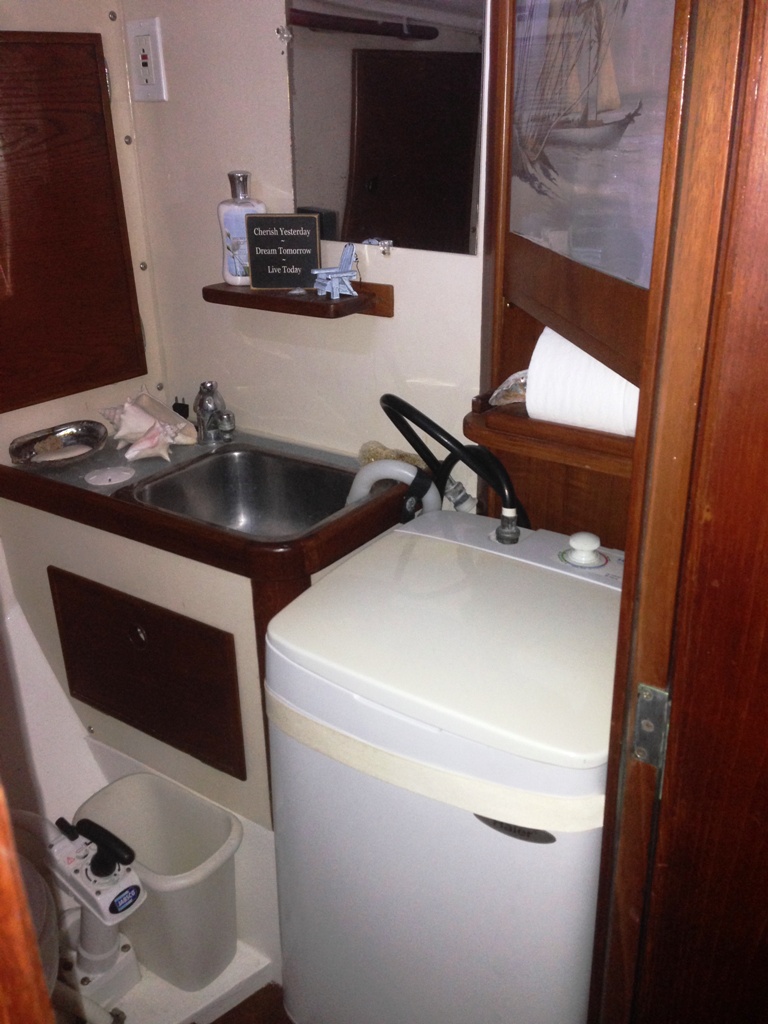
Our boat came equipped with a small WASHING MACHINE! Yes, a washing machine on a 42′ sailboat. This might be a little more common on boats upward of 50′ in length where everything is exponentially bigger. For a boat our size, it’s pretty rare. The previous owners did a beautiful refit of the forward head to install the washing machine. One of the two doors accessing the head was removed and a box was built around the new appliance. It slightly restricts the entrance to the forward cabin but not enough to matter.

The little washing machine has a 110V A/C plug which requires the inverter to be on, the generator to be running, or to be plugged into shore power on a dock. There is a hose that attaches to the sink nozzle in the forward head, as well as a drain hose returning the dirty wash water back into the sink drain. There are multiple settings for light, medium and heavy with a selection for the number of wash cycles as well. We like to connect a flexible hose to the drain hose, catching the water from the last rinse cycle in a bucket and then dumping it back into the empty washer as wash water for the next load.

Our clothes are hung up to dry on the life lines with clothespins and kissed by the sun and Caribbean breeze. We really don’t mind not having a dryer anymore. Sundried clothes cost nothing and smell so crisp and fresh.

The small investment made in this machine saves us a ton of money while cruising. Depending on the location, a load of laundry done on shore by locals or in a Laundromat can cost anywhere from $4-$20 from what we’ve heard. If our machine ever dies on us, there’s always a bucket!!
IMG_9439ty

How do we have power?

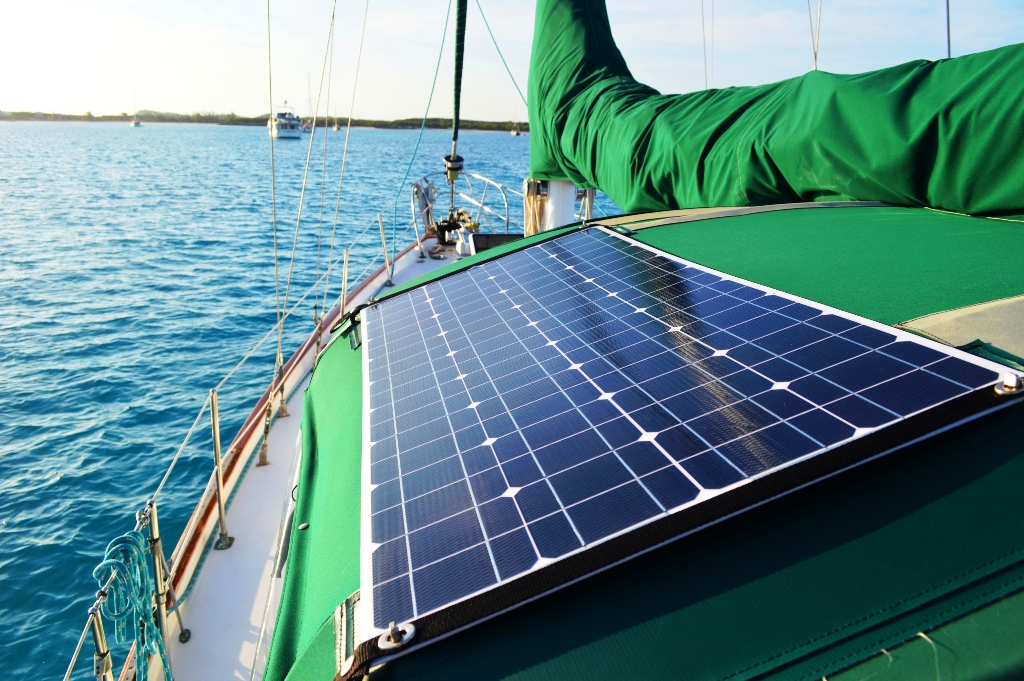
We do our best to live simply and use only the resources we need. Electricity comes at a premium now that we generate our own power. We have (2) older 80 watt rigid solar panels, (2) 104 watt semiflexible Aurinco solar panels and a Four Winds wind generator. This allows us to keep our (3) 4D lead-acid batteries charged up with plenty of power left to run our lights, watermaker, washing machine, refrigeration, stereo, VHF radio, SSB radio, chartplotter, radar and computer.

The Caribbean provides constant Tradewinds of 10-20 knots so while we are at anchor the boat is always facing into the wind bringing in power from the wind generator. Lately we’ve had quite a bit of cloud cover, but our 370 watts of solar panels usually do a fantastic job of bringing in a ton of power for us between the hours of 10am to 2pm when the sun is directly over head. All of our panels are adjustable and can be turned or tilted to achieve the maximum amount of exposure, but we usually prefer not to babysit them. They do just fine all by themselves :)
DSC_0036

How do we get water?

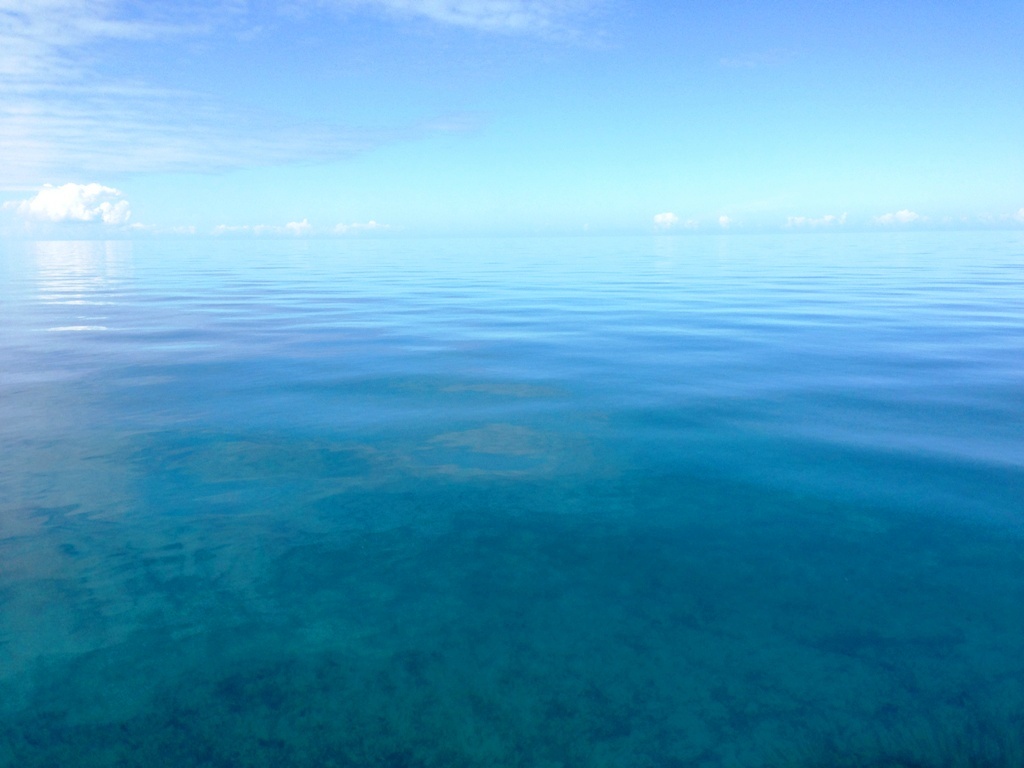
Fresh water is one of our top priorities. Our primary source of water is generated by our Village Marine Little Wonder Watermaker that is installed in the bilge. It converts seawater into fresh filtered water at a rate of 6 gallons per hour and runs off of the 12-volt electrical system. We have two water tanks on board with a total of 160 gallon storage capacity and the watermaker is plumbed direct to both tanks.

If clean water is available for free in the towns and villages we visit, we will fill up 5-gallon jerry jugs and carry them back to the boat in our dinghy. The further south we go, the less available good drinking water becomes. Watermakers are a huge upfront cost but being able to make our own water is critical for remaining completely self sufficient.

Even though we can make our own water, it requires enough electricity to power it. Our solar panels provide enough power during peak sunlight hours and we usually run the watermaker every other day for a few hours a day to use up the extra power being generated. We try to keep both tanks full so if it is cloudy or if we don’t have any wind bringing in power for a few days, then we won’t be completely out of water and needing to run the watermaker. If our batteries get too low to run the watermaker we have to run the engine or generator when we need to make water. We like to conserve diesel as much as we can.

We usually have plenty of fresh water for showering every day, for making coffee and for drinking water. Even though we can make water as needed, we still conserve as much as we can. Systems break down and if we are careful to not be wasteful, all of our equipment will last much longer.
IMG_5641

Where do we keep our tools and toys?

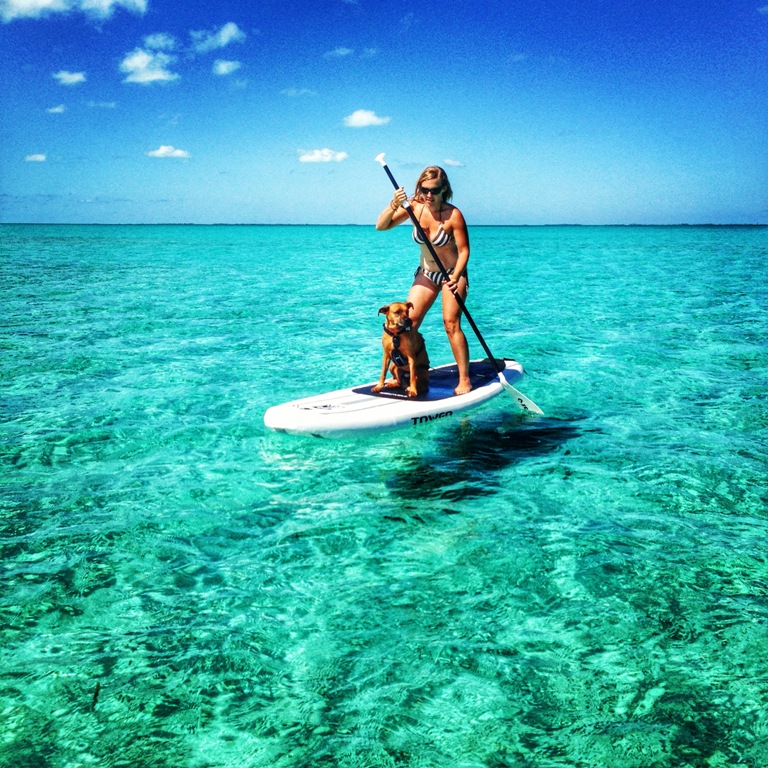
Peter grew up surfing and fishing in Southern California. This adventure is all about having fun which means we needed to find a place to store all of our toys. We brought Peter’s 6 epoxy surfboards, one foam surfboard and two inflatable Stand Up Paddle boards. 30-some fishing poles are stashed around the boat under floor boards and on the ceiling of the engine room. We have an Airline Hookah Dive compressor that lives in the salon. The forward cabin has been converted to our garage where we keep the surf boards, a guitar, compound bow and arrows, spear guns, Hawaiian slings, lobster snare, surf gear and power tools. There is also ample storage inside the boat for tools near the engine room. We even have a vice installed on the inside of the engine room door!

On deck we strap our dinghy to the bow while under way along with jerry jugs of spare fuel and water, a foam target block for the bow and arrows, plastic crates with a 75′ hose and the dinghy gas can, SUP paddles, oars and boat hooks.

Our wet locker holds all the rest of our dive gear when not in use. We are careful to rinse everything off with fresh water after each use to prolong the life of our gear. Salt water will corrode almost anything.
IMG_5318

Where do the dogs go potty?

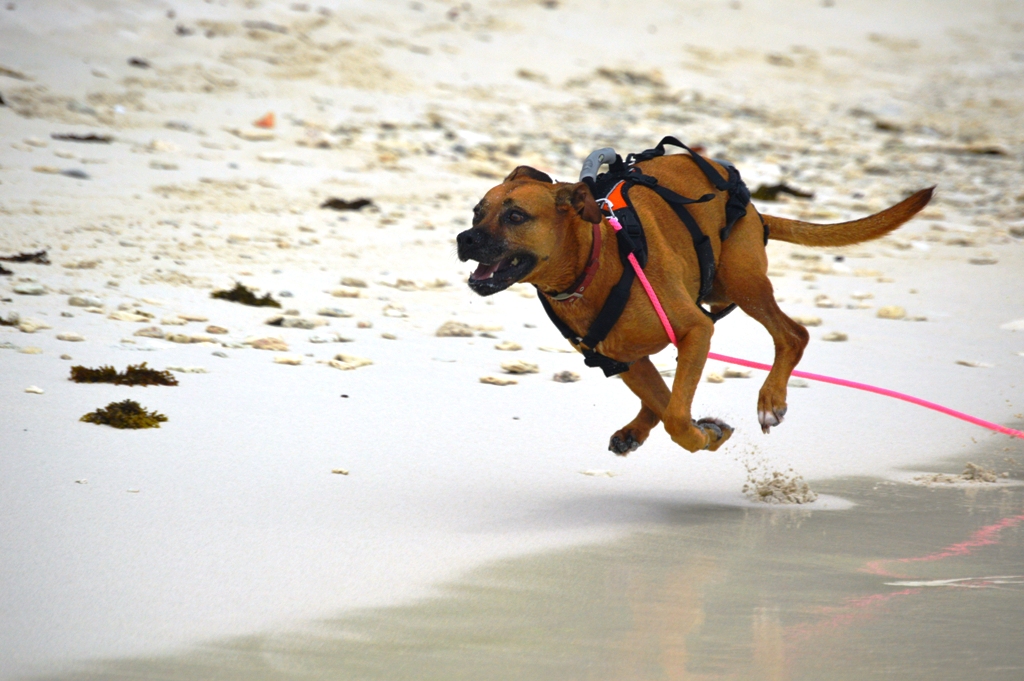
Before we left the dock in Florida we purchased a replacement piece of astroturf from Petco that is supposed to fit inside a plastic tray. Peter installed a couple of grommets and some paracord, then tied it on to the lifelines on the port side of our aft deck. It took a few tries for Betsy to figure out she was supposed to go potty on this crazy thing. We initially took the Astroturf up on shore and slid it underneath both dogs as they went pee. Eventually there was enough scent to convince Betsy it was what she was supposed to pee on, with a little coaxing of course and some tugging and pushing to get her in the right spot. After she went on the mat on shore, we tried it on the boat. We had also been diligent with using a command “Go Potty” and Betsy now goes potty on command everytime. She’ll even fake us out and pretend like she’s peeing, even when she doesn’t have to go!

Gunner is another story. He wasn’t too happy we were putting that thing underneath him on shore, and he would NOT go potty on it on the boat. Gunner is 13 and set in his ways. The only time he ever had an accident in a house was when he ate too much of another dogs food, giving him diahrrea, and when he had a bladder infection. The poor guy is so stubborn we couldn’t get him to go on the boat for a long time. It took our first overnight passage and subsequent days keeping him on the boat for him to finally go. He knows exactly where to go now and often takes himself if we aren’t paying attention.

Lessons learned? Don’t use regular grommets. They rust. And don’t use white paracord… it will turn yellow :( We have since switched to stainless steel grommets and dark green paracord (to match the boat of course).
DSC_0692

Did we know how to sail before we bought the boat?

Nope! We had each been on a sailboat maybe once or twice before we made the decision to buy one of our own. Peter has been around the ocean all his life and ran fishing boats for several years so operating a boat wasn’t new to him. Jody grew up boating but never sailing.

We considered taking sailing courses but after talking to several people, we decided it couldn’t be too hard to figure out. After just a few times on the water by ourselves, we felt confident enough to continue learning as we go and skip the high priced courses.  Our insurance required signoff from a licensed captain stating that we are capable of operating the boat on our own and we passed with flying colors.

Sailing is one of those things it takes a lifetime to master. We have the basics down and can operate all the equipment on our boat sufficiently. With experience we’ll continue to learn tricks for balancing the Center of Effort on our ketch-rigged boat as well as how to handle our boat better in heavy weather. We have safely made it through several passages and 2000 nautical miles after starting with zero sailing experience. That’s pretty darn good!
DSC_0294

Why did we decide to live on a boat and sail away?

It has always been Peter’s dream to live on a boat and sail around to all the best surf spots and fishing grounds. After his mom passed away in 2012 everything fell into place for us to take this journey in honor of her. She would have loved to do what we are doing and we know she would be proud.

We both prefer to live outside the box and go against what mainstream society perceives to be normal. To us, living a life of adventure and happiness is more important than working a dead-end job paying somebody else’s bills. Life on the hook is about so much more than that. We are surviving against whatever Mother Nature brings with our own knowledge and skills. It’s an Ultimate experience in every sense of the word.
DSC_0578

What personality traits have been the most helpful for living on a boat?

Patience is definitely at the top of the list. After 8 months of being liveaboards, nothing is easy and patience is key to getting anything done. We’ve accepted the fact that most everything is just harder on a boat. We stub our toes, hit our heads and jam our fingers on a daily basis. It makes us tough and keeps us young. We do our best to remain patient with ourselves and with others and it seems to lighten the load.

Determination is something we both have. We don’t give up. We push on, striving to overcome every challenge we are faced with. In the middle of the ocean you can’t just call a plumber or call a mechanic. When something breaks, we figure out how to fix it with the resources available to us and the skills we already have. Each challenge is a learning experience and we are determined to succeed at being self sufficient surviving at sea.

A creative mind is invaluable on a boat. We often make due with what we have and jury-rig systems with odds and ends that we brought along with us or find on shore. U.S. stores are now far behind and the convenience of ordering a part off the internet or running to Home Depot is not an option. There has got to be a million ways to use a zip-tie and duct tape. Patch and repair jobs may not be pretty, but they will get you back to safety more often than not. One of our first creative projects was to convert our aft companionway ladder into a ramp for the dogs. It’s amazing what you can do with a little ingenuity.
IMG_2579

How has cruising affected our personal relationships?

The further we travel and the more remote places we visit, the harder it is to stay in touch with friends and family. Internet is great for helping to bridge the gap but it’s not the same as seeing loved ones in person. We are comfortable enough on the boat now to have family and friends come visit. It’s such a treat for them to see our new life and how we live. We wish everyone could visit us and experience what we’re doing. In the mean time, we try to share pictures and stories of our adventures on the blog.

Cruising has also made our friendships with others more genuine. For some, its out of sight and out of mind where certain people don’t make much of a return effort to stay in contact. For others, their true friendship shines through and strengthens ten-fold. We truly cherish those lifelong friends both from our past and that we meet along the way.

Cruising has also brought our own relationship into focus. Sharing a Tiny House with your significant other will put any relationship to the test. It brings out the best and worst in us both and has challenged us in ways we didn’t think possible. Ultimately, we are stronger and have a better partnership because of it. Love makes everything better!
IMG_5531

What is the best part about the cruising culture?

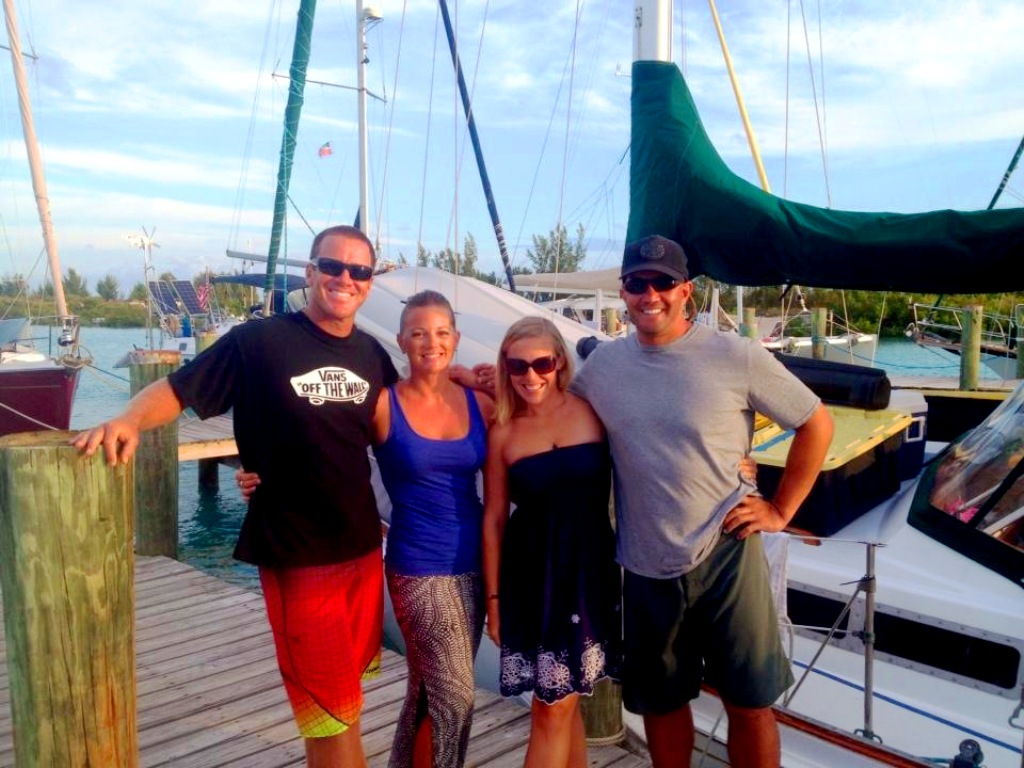
Most everyone says it’s the people. We totally agree. There is an unspoken code of sorts among fellow cruisers laced with an overwhelming camaraderie. Everyone we meet on the water is so genuinely kind and generous. If we are ever in need of help, any of the cruisers around us are happy to lend a hand or lend a tool or part.

Some even do enormous acts of kindness, like our friend Paul in Salinas, Puerto Rico. We asked Paul if he knew how we could get to the Customs and Immigration office in Ponce which was more than 30 minutes away. Paul lives on his boat but had a car there at the marina nearby and he offered to take us all the way to Ponce, even stopping at the grocery store on the way back to the boat. He wouldn’t accept any money for gas or his time, he only asked that we Pay It Forward.

Our friends Anne and Brad on S/V Anneteak and Dave and Patti on S/V Dream Ketcher both helped us with some major repairs in the Bahamas. Friends Jan and David on S/V Winterlude (commutercruiser.com) taught us so much about sailing on our first few harbor sails. We are so grateful for all the generosity we’ve experienced and we make every effort to Pay It Forward and help anyone else we can.

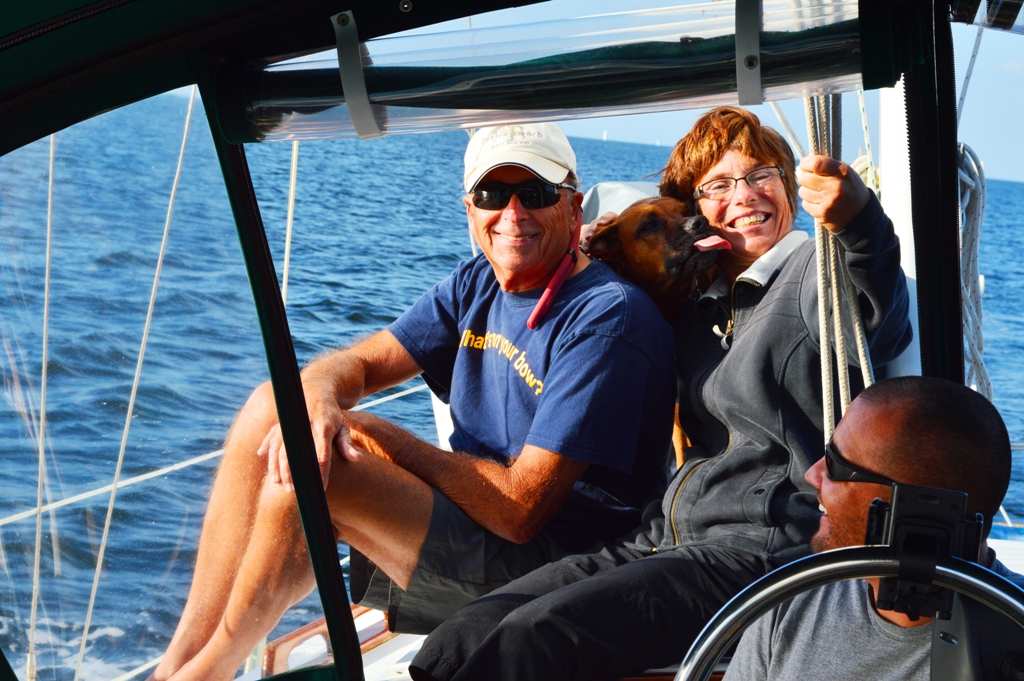
We are kindred spirits and share many of the same dreams and aspirations. We are all following our hearts and leading a life of adventure that only few get to experience. That has brought us all together in a way we never could have imagined. It’s a magical thing really, and the world would be a better place if everyone were this kind to one another.
DSC_0167

Will you ever move back to land?

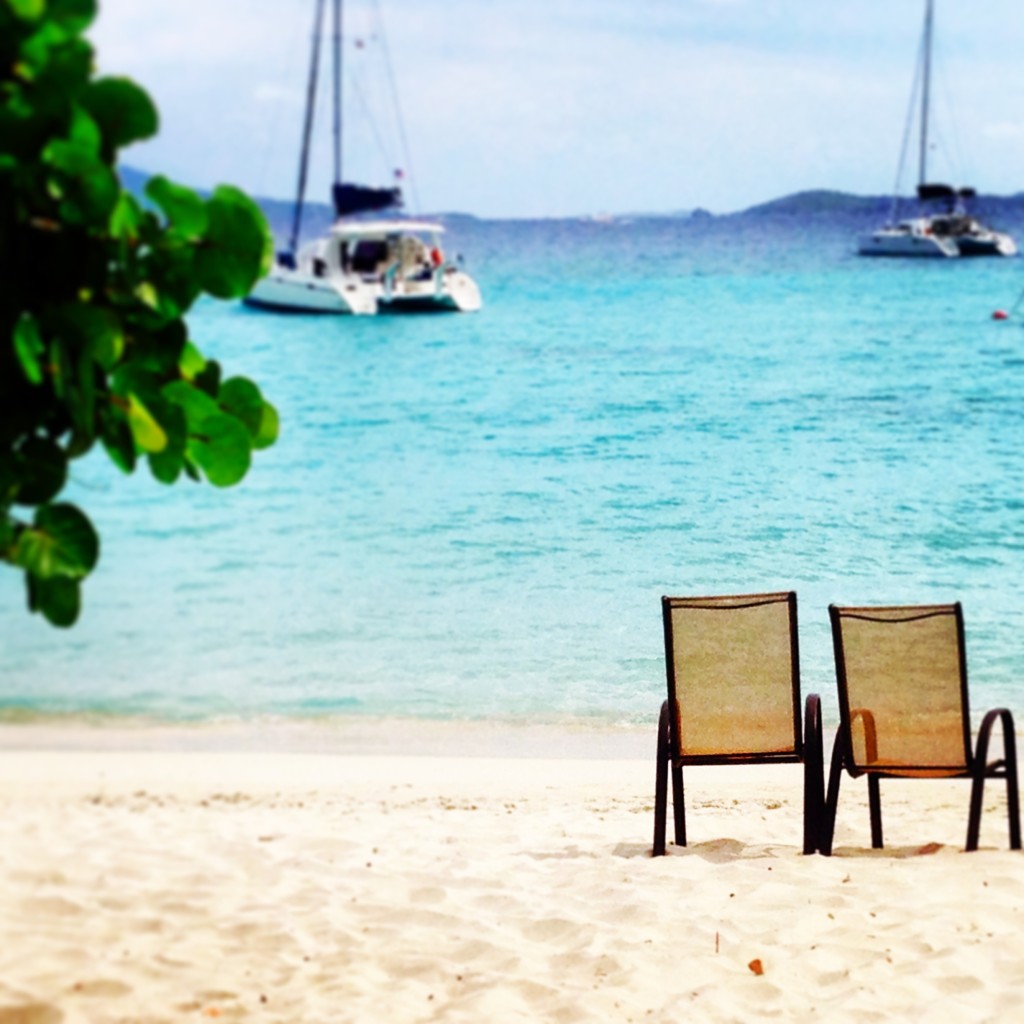
As they say, our plans are drawn in the sand! For now, we will continue south from BVI traveling through the Caribbean toward Grenada for Hurricane Season. In October we will either head back up through the Leeward and Windward Islands or we will continue West to the San Blas Islands of Panama and cross through the Panama Canal. The surfing and fishing is amazing on the Pacific side of Central America and we hope to spend a good amount of time there. Someday we may cross over to the South Pacific for some of the best surf and most beautiful islands in the world. Until then, we are living in this Grand Adventure one day at a time!
 IMG_9445

What else would you like to know? Contact us with any other questions. We would love to hear from you!!